
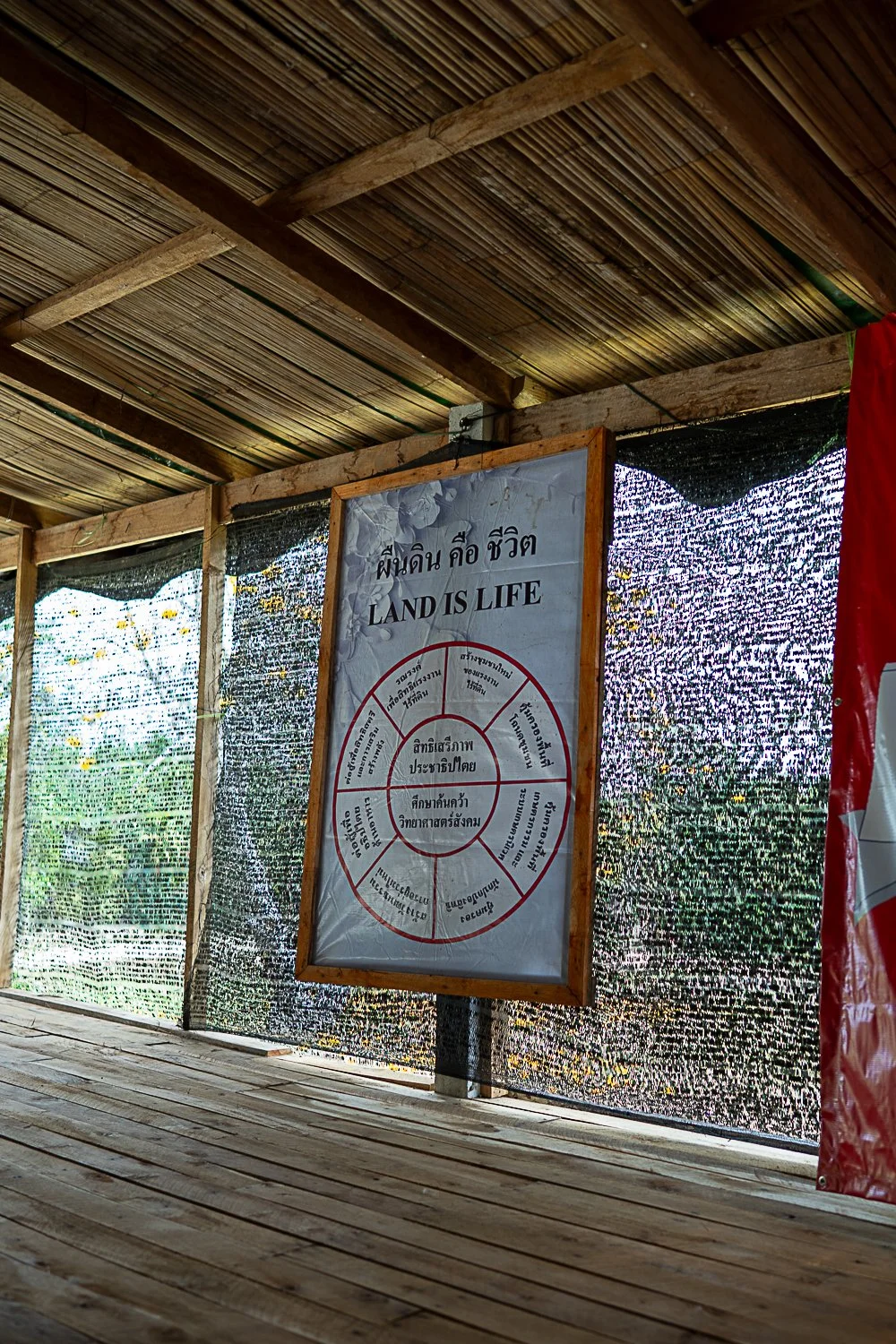
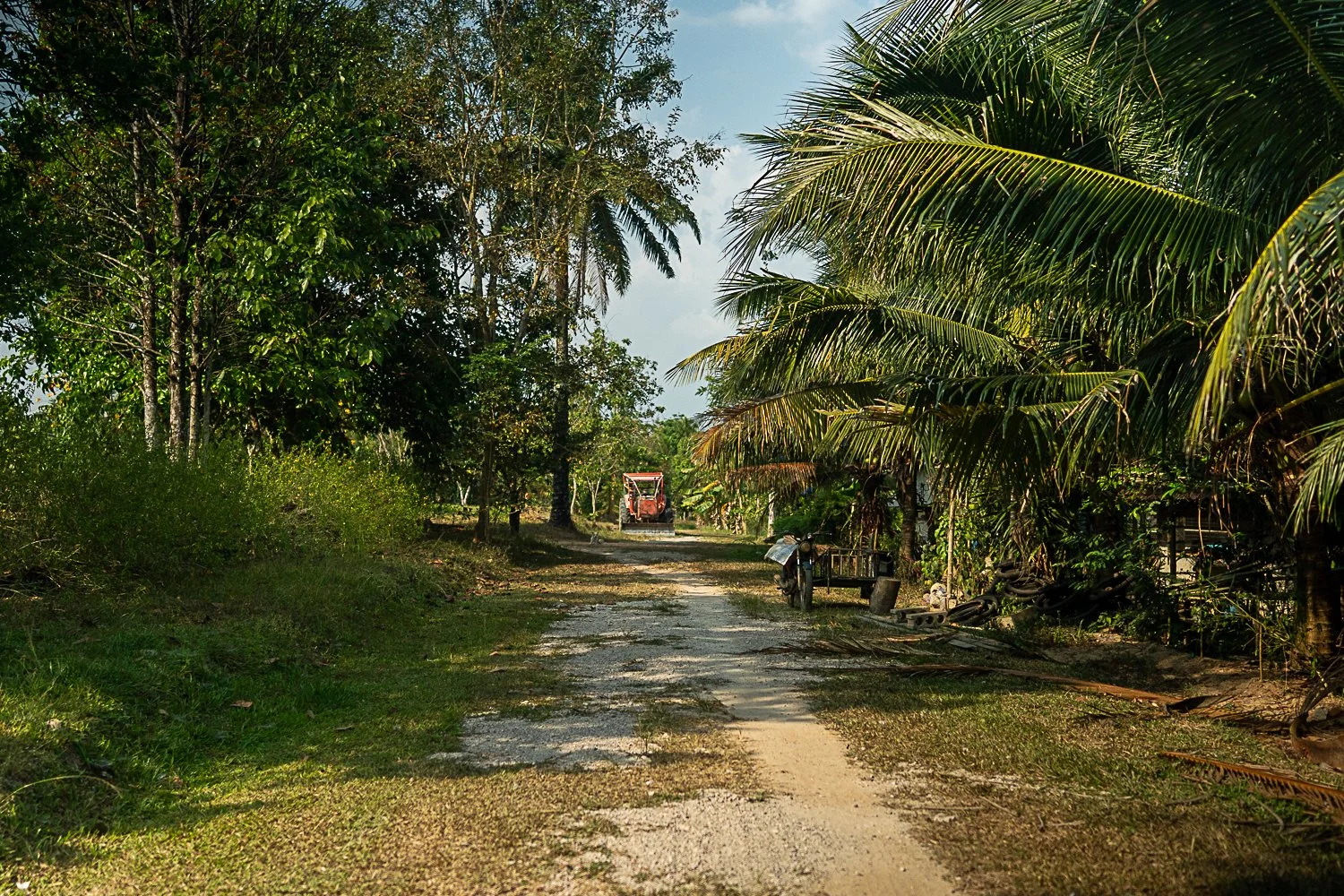
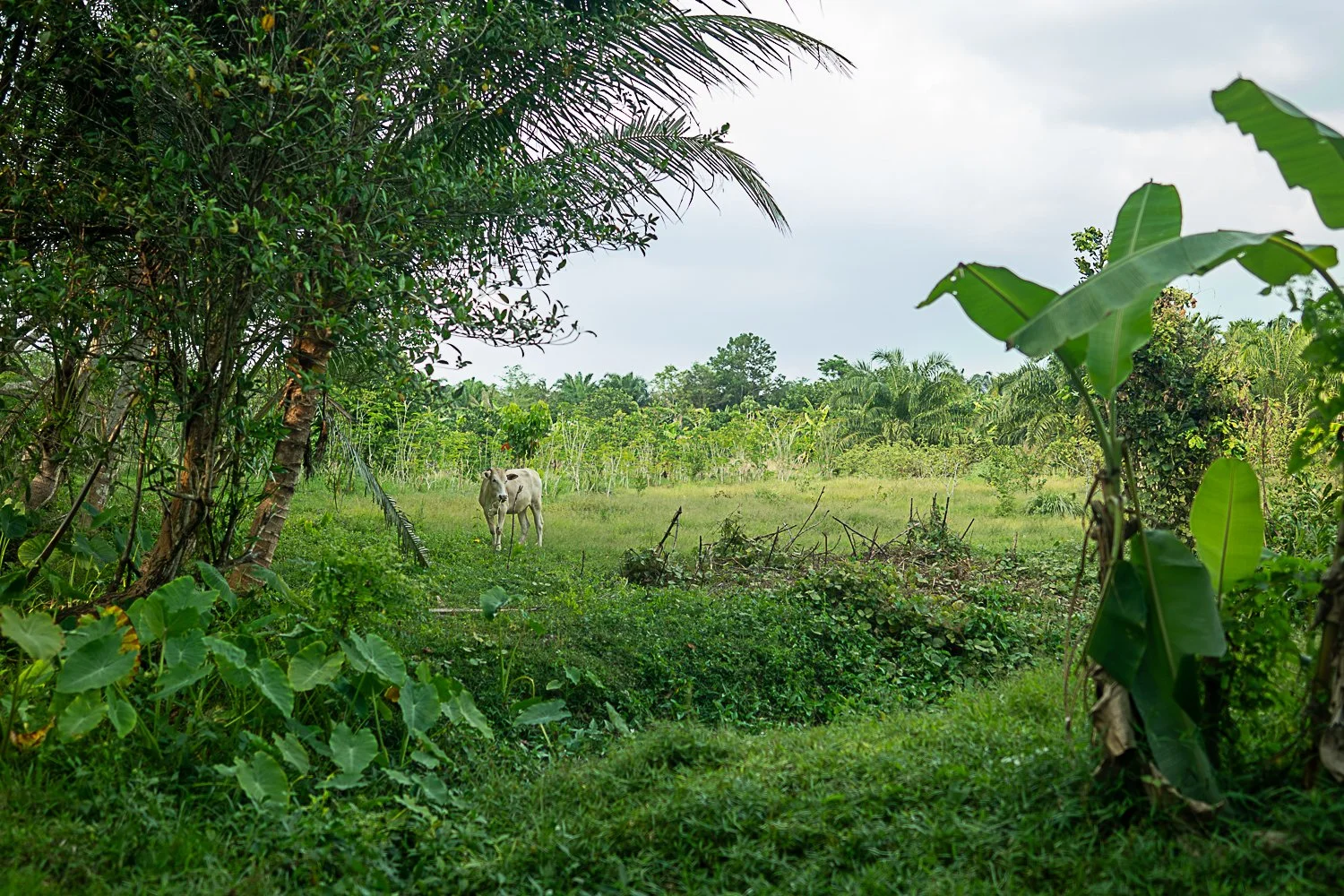
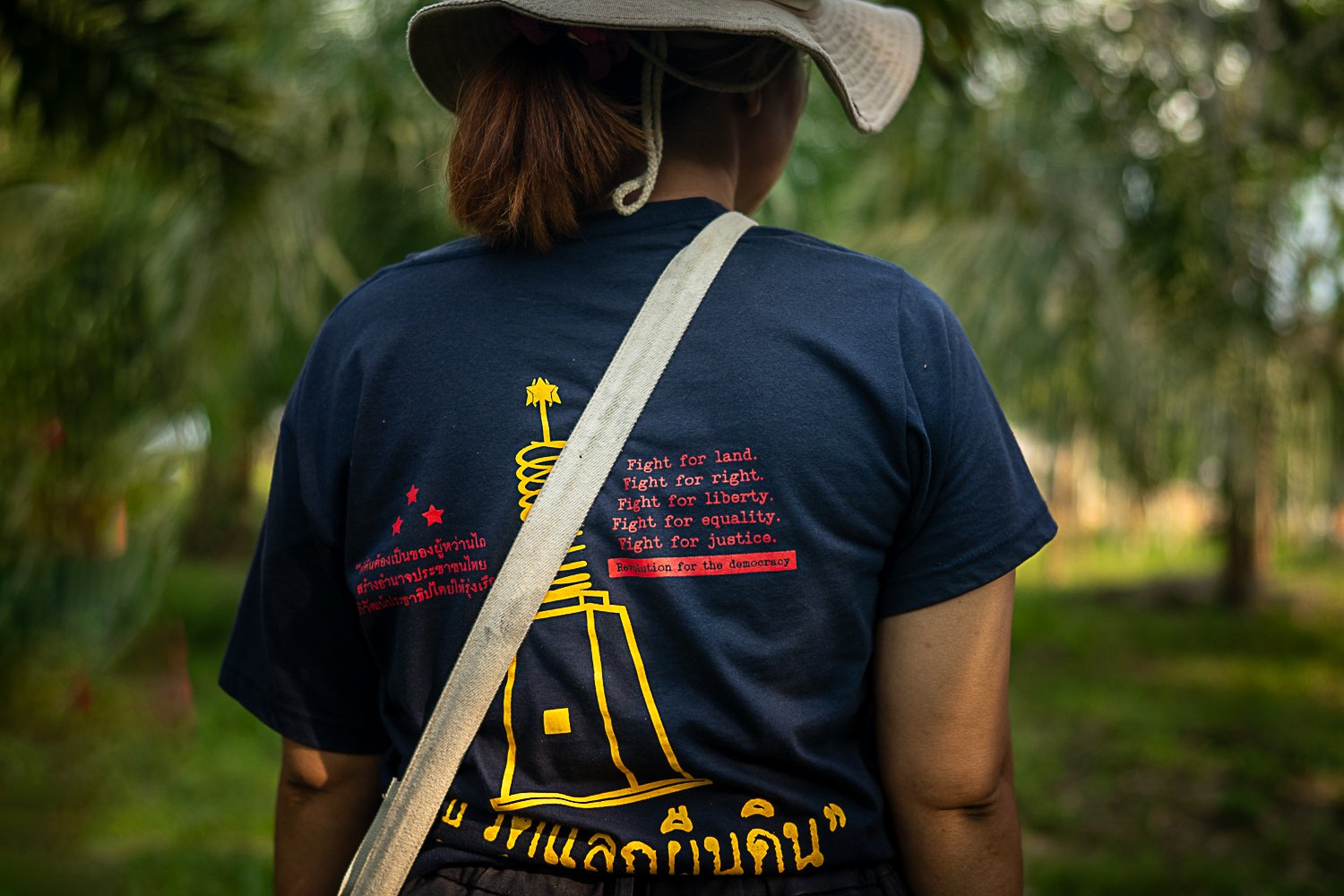
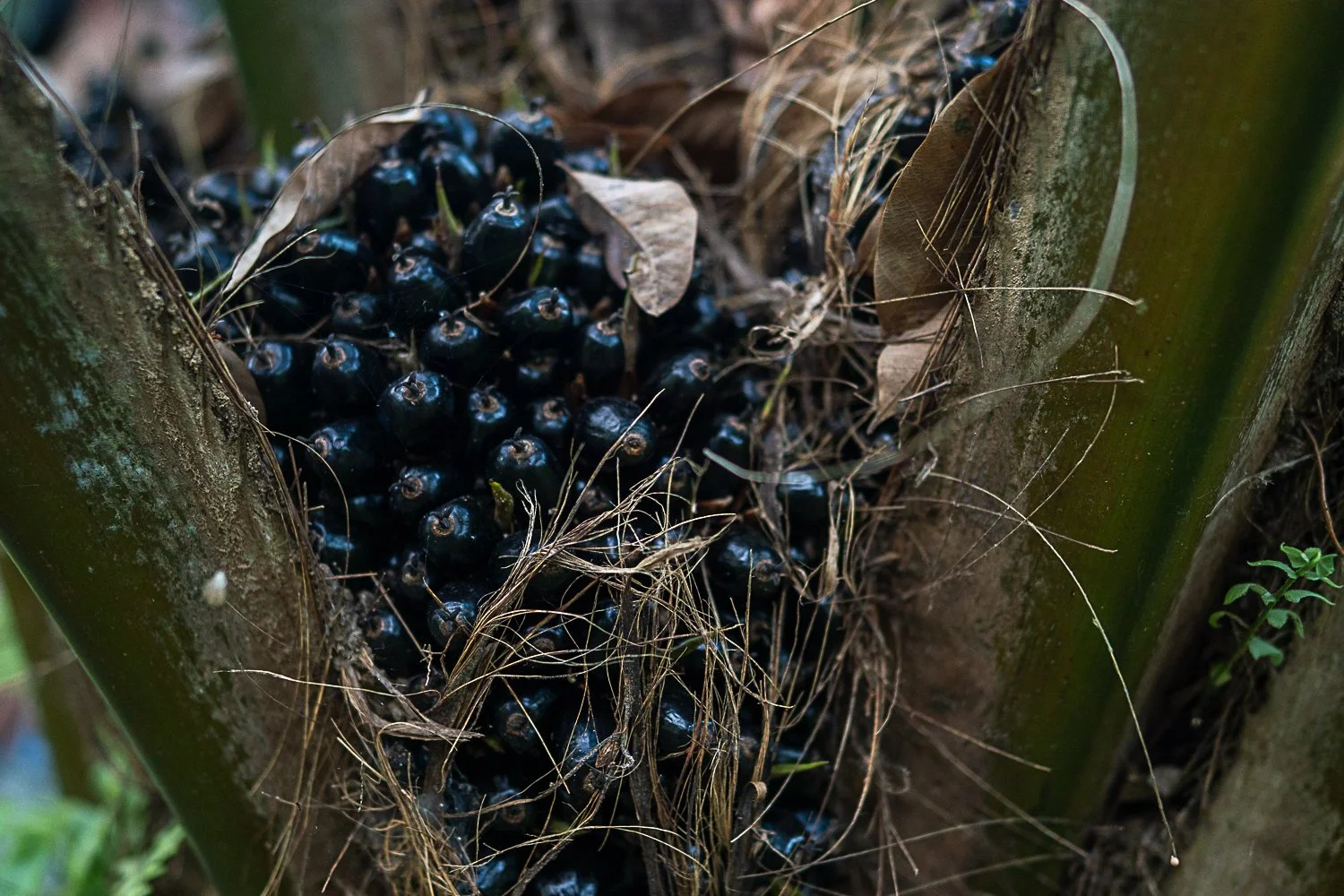
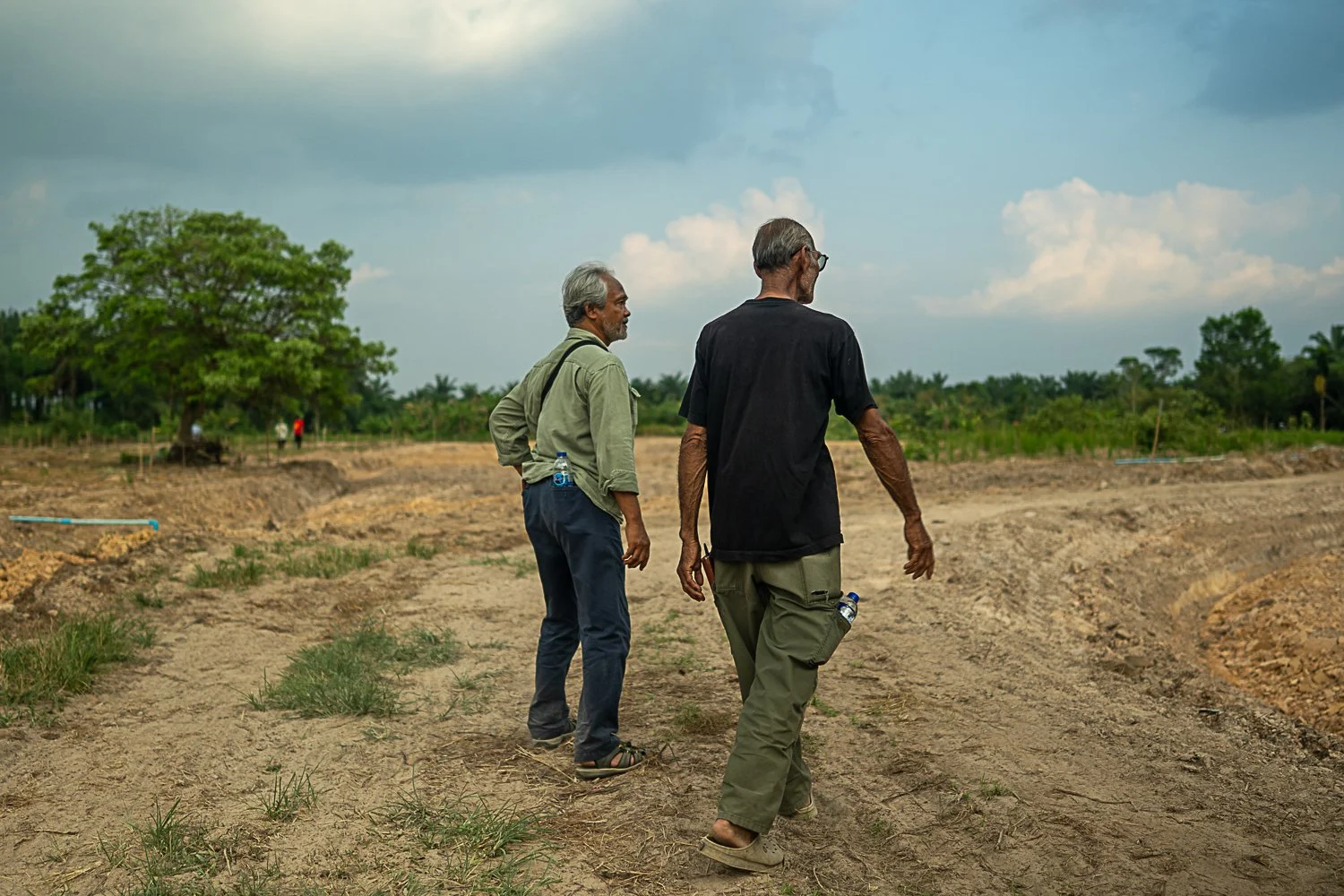
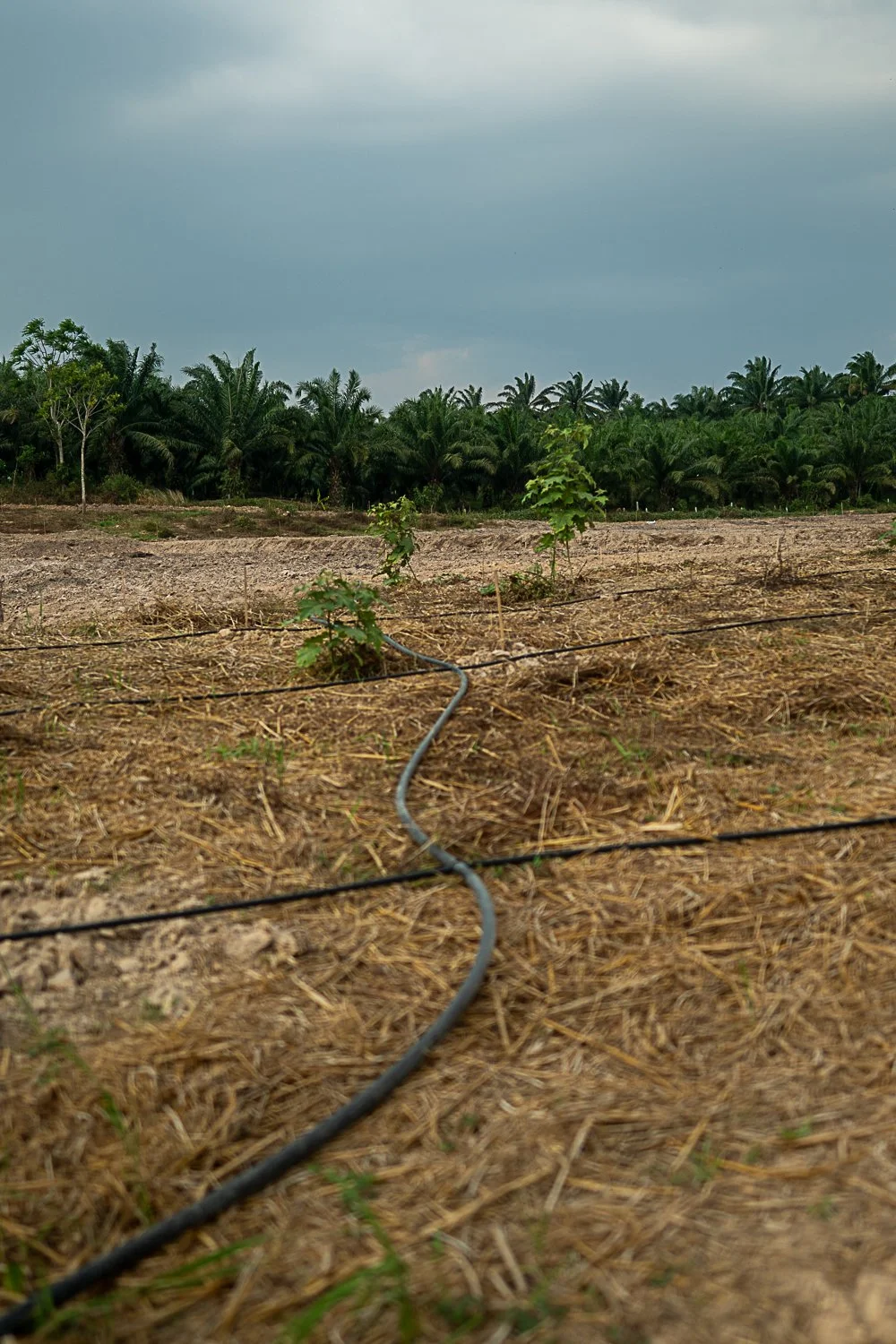
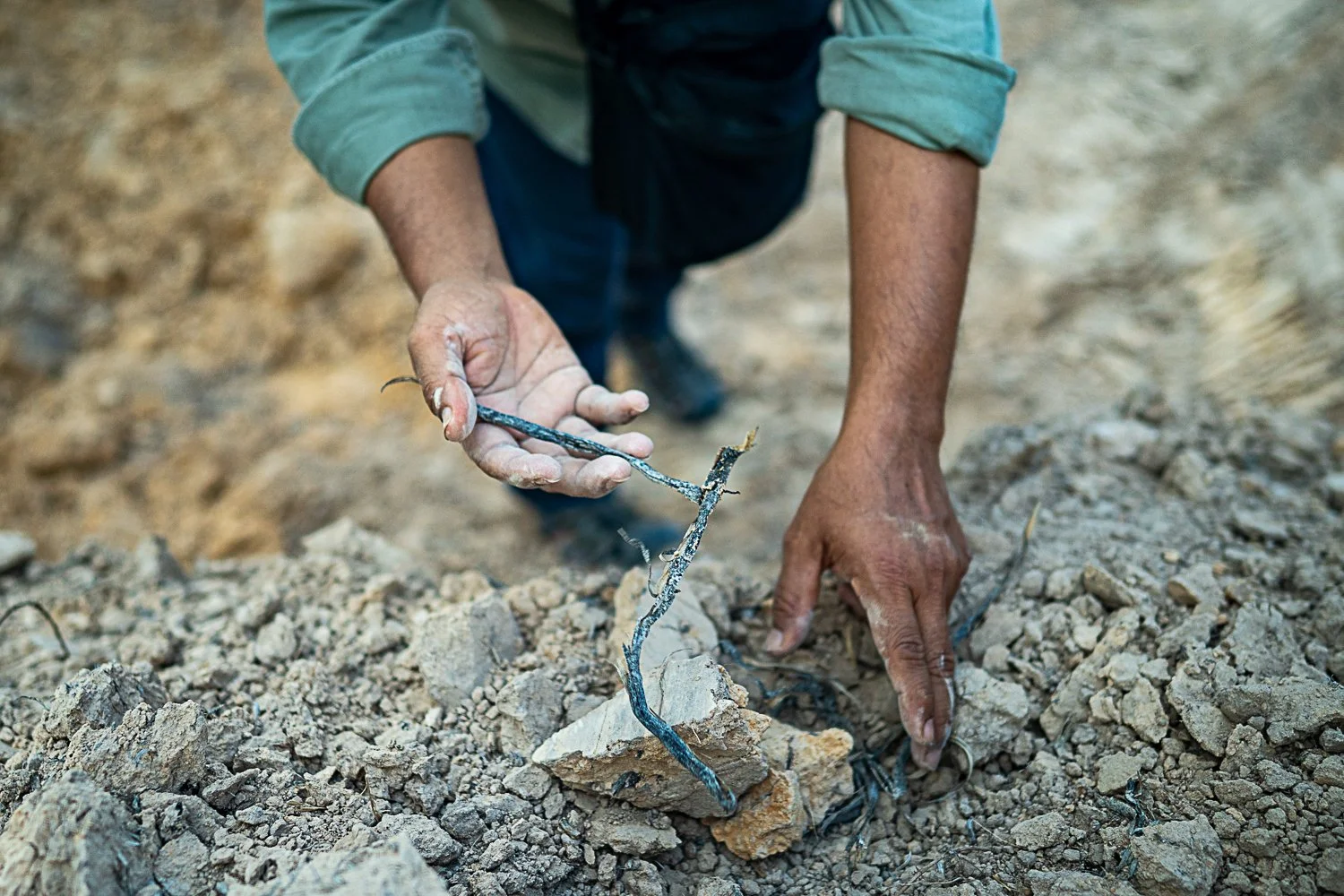
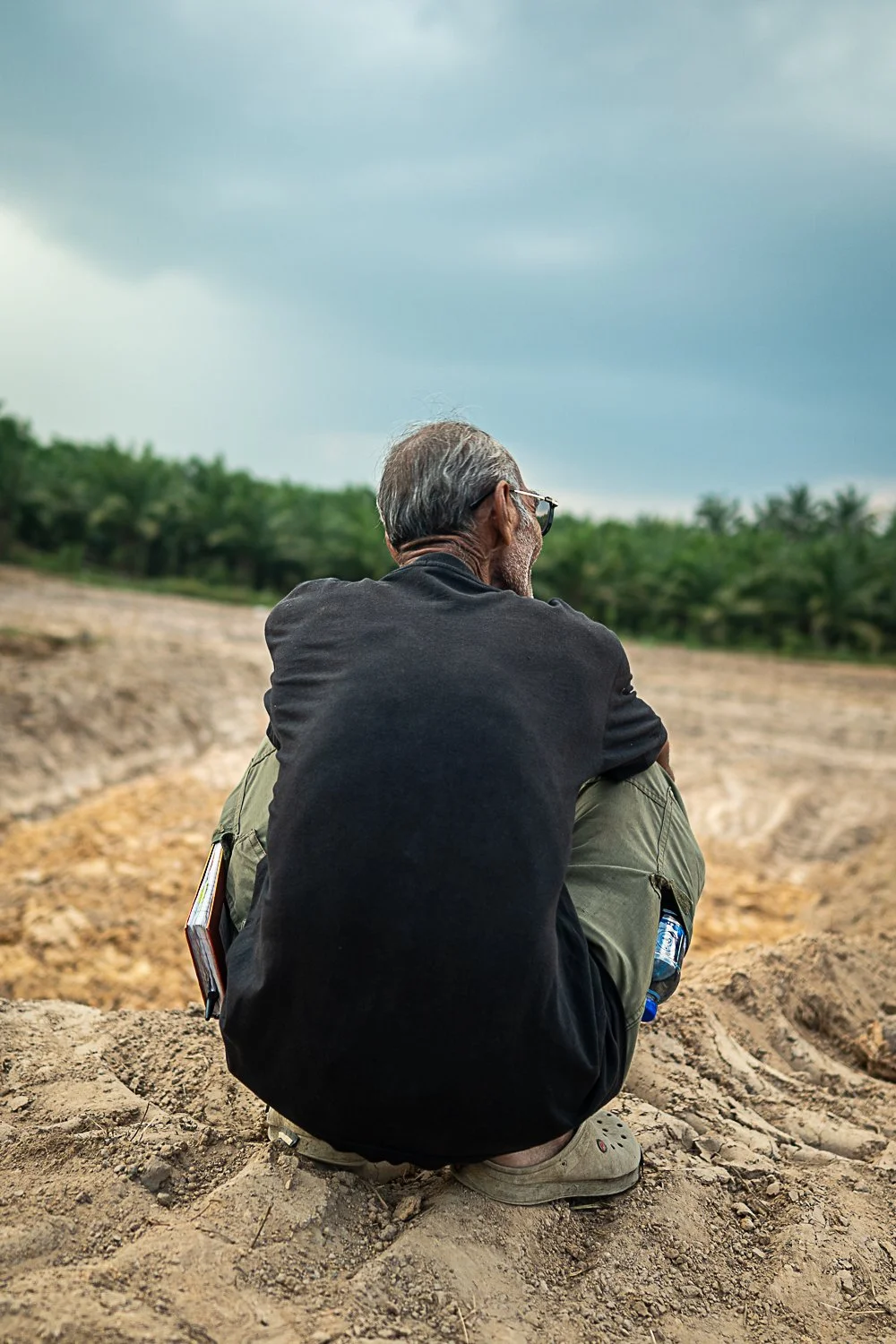
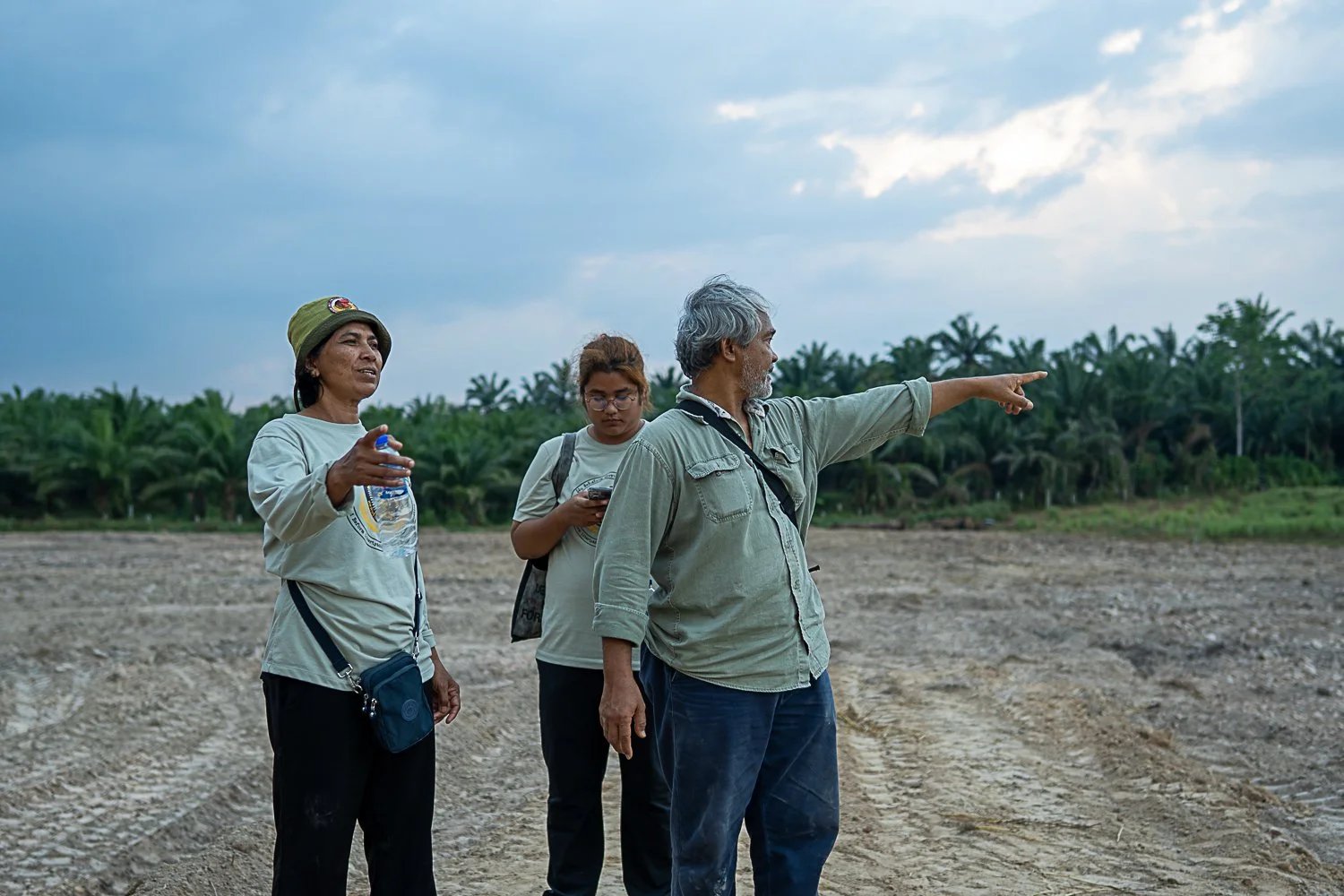
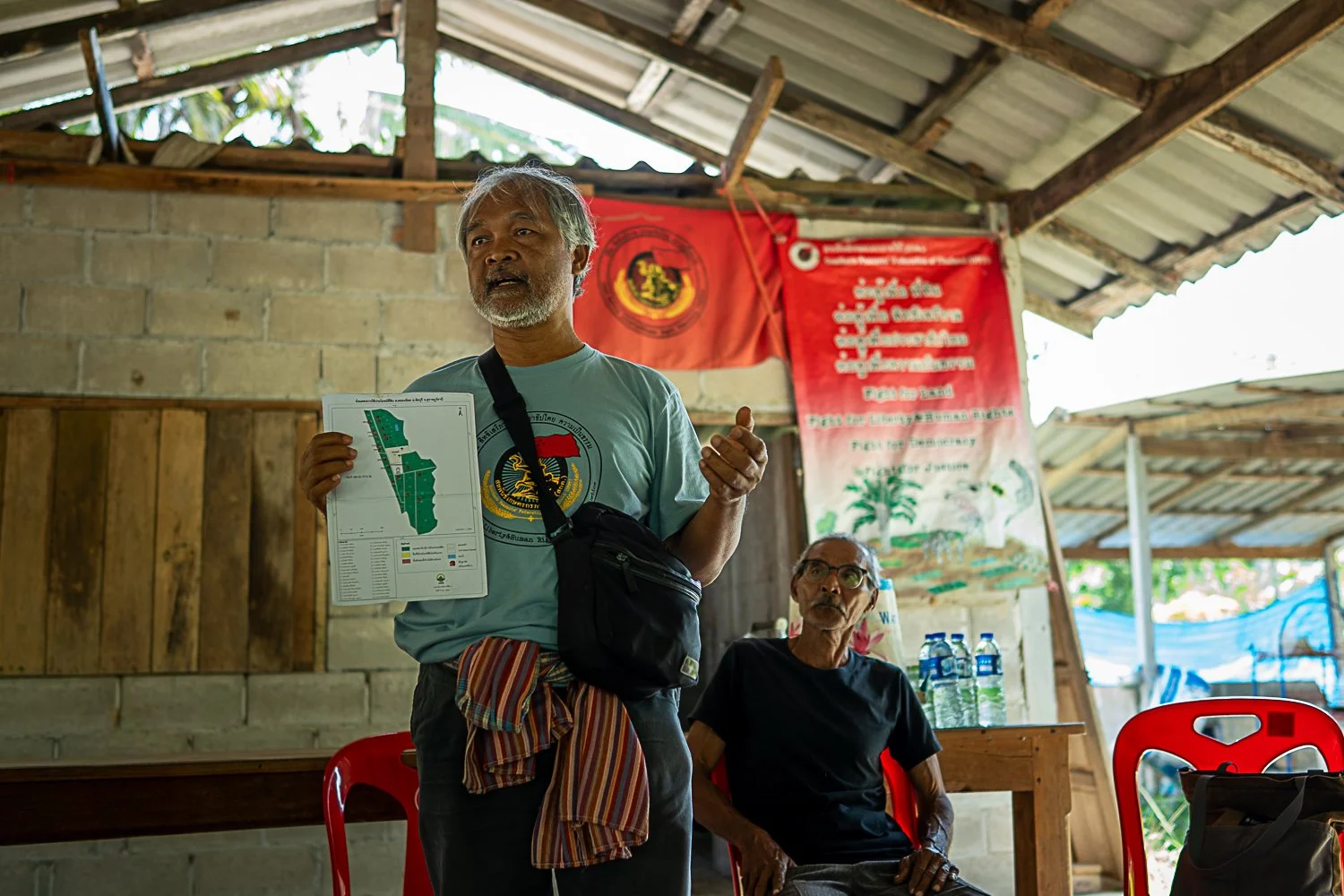
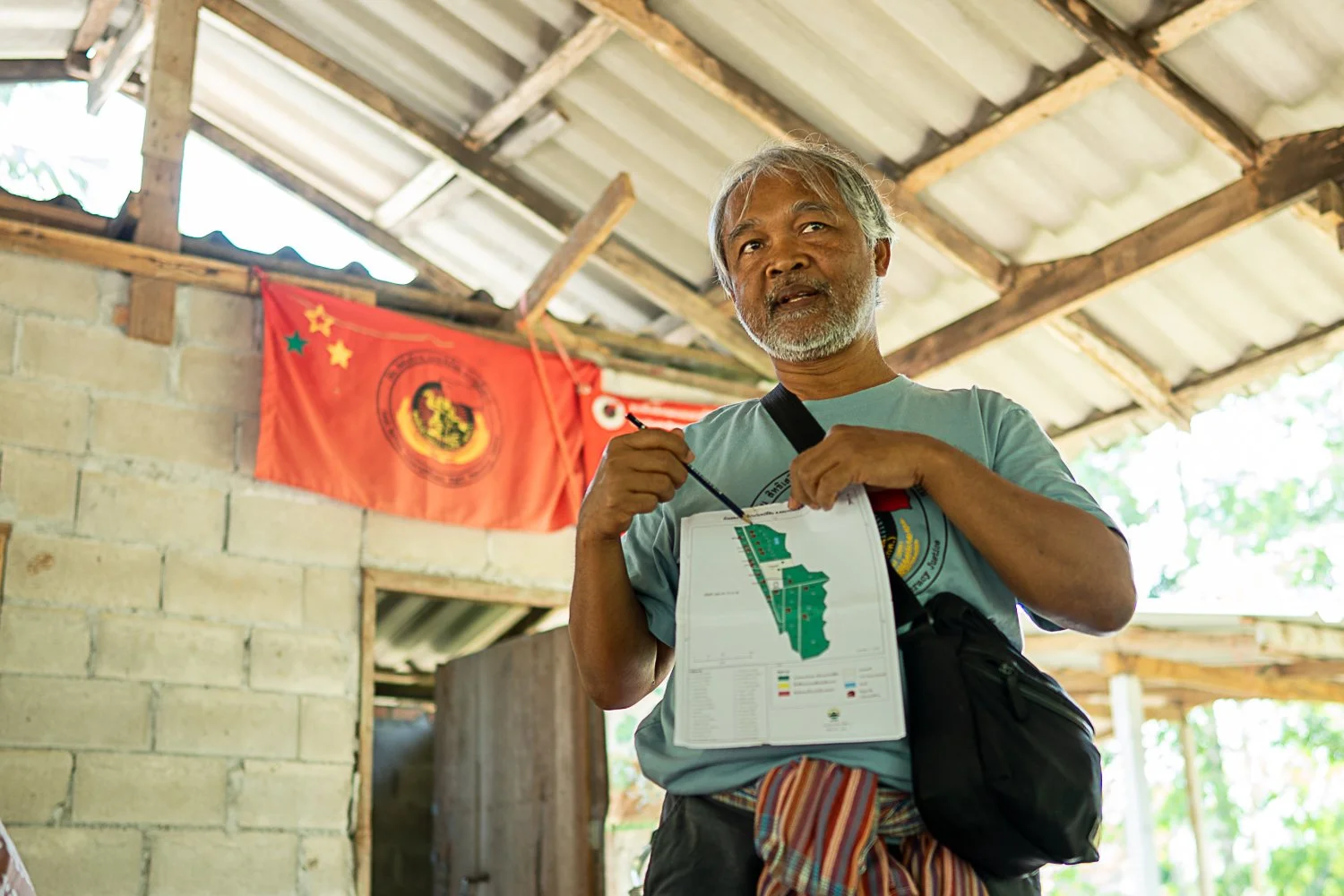
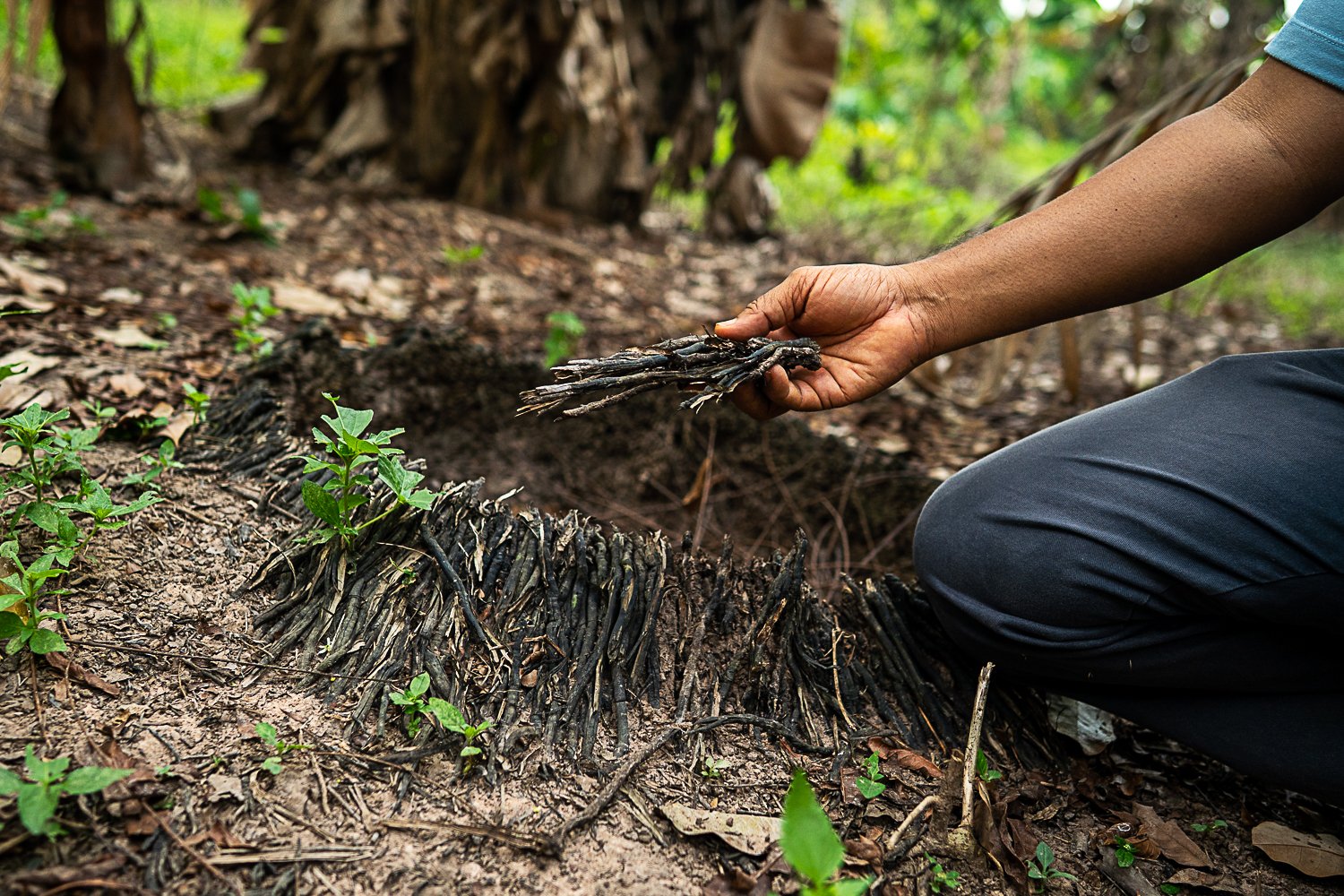
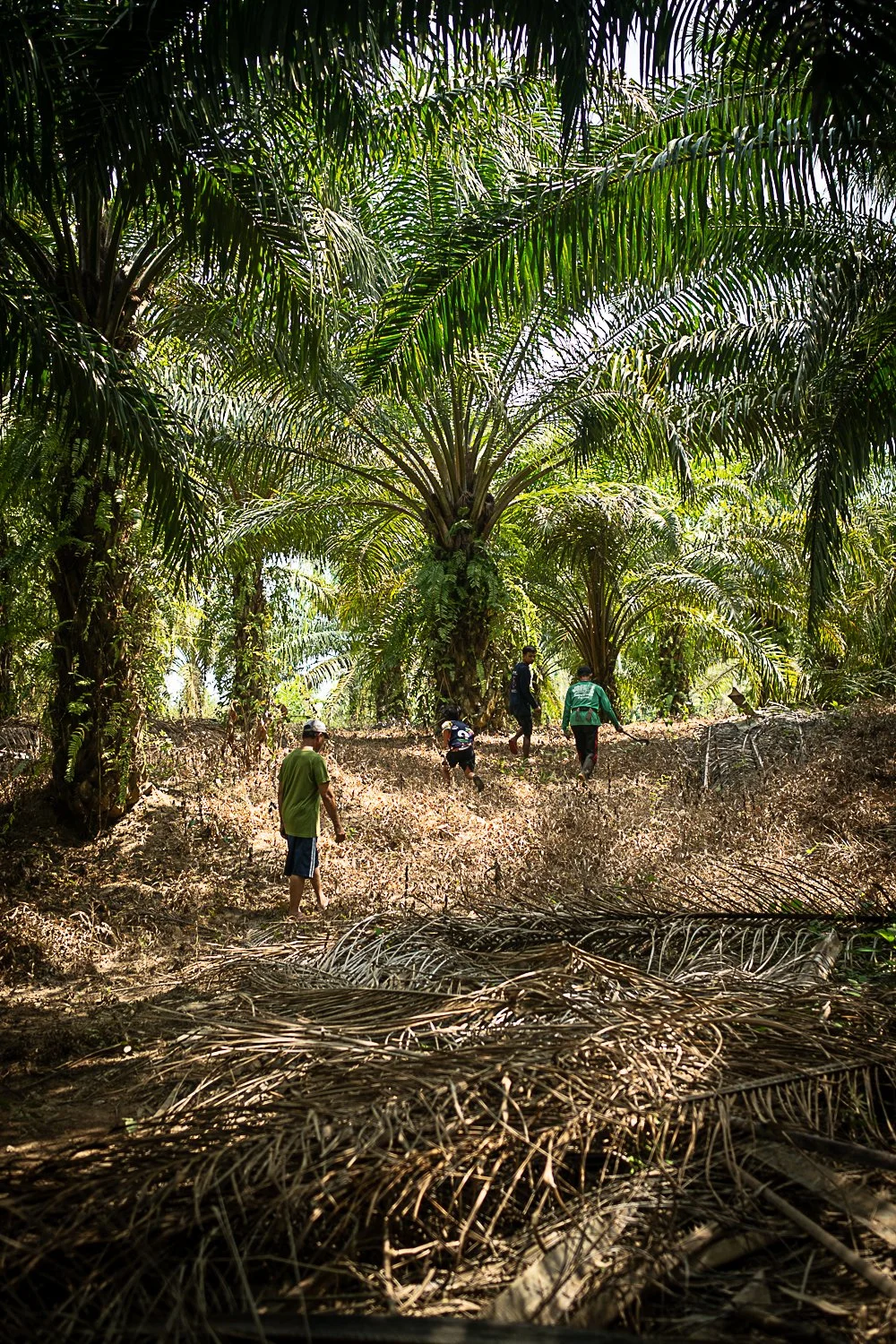
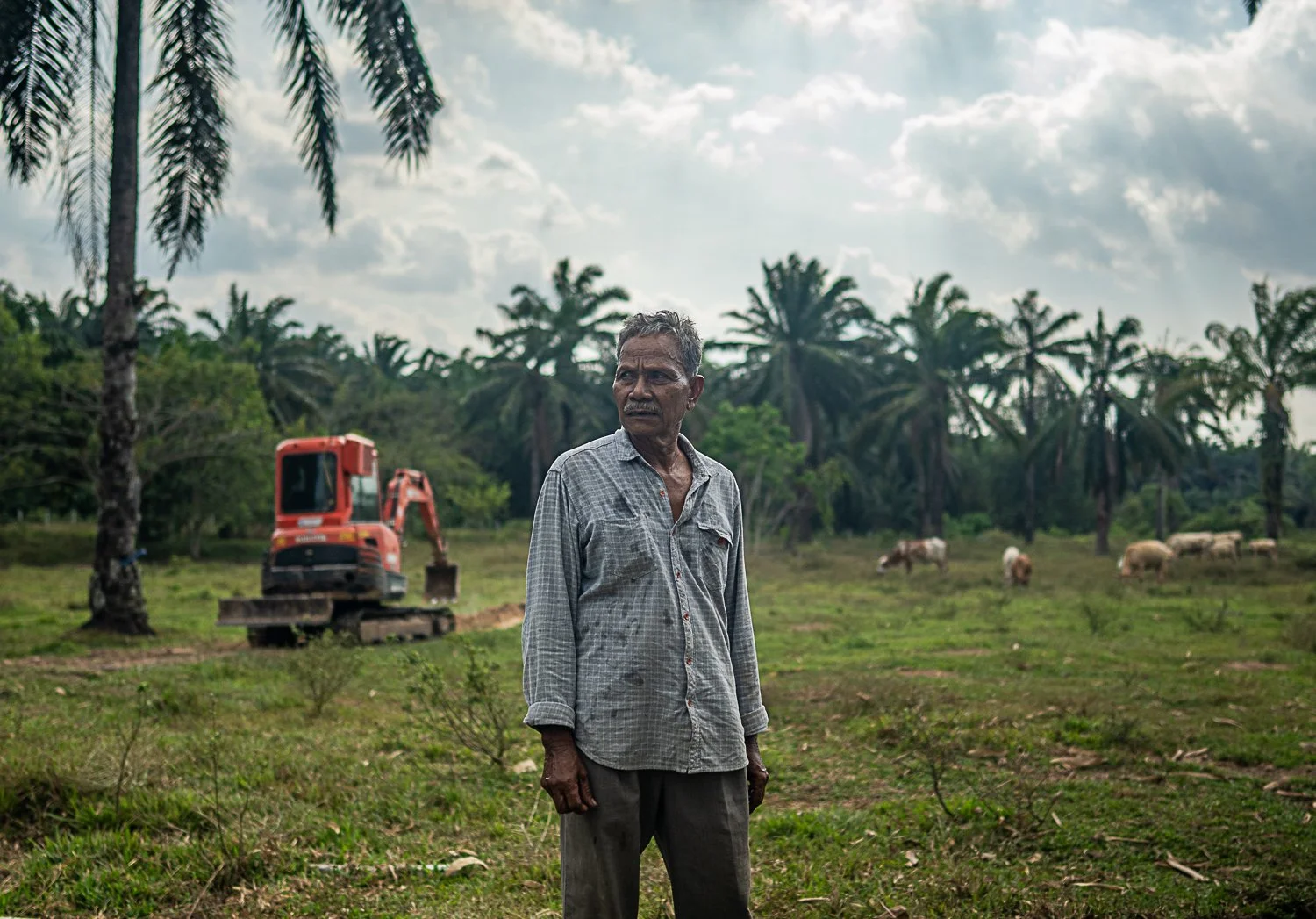
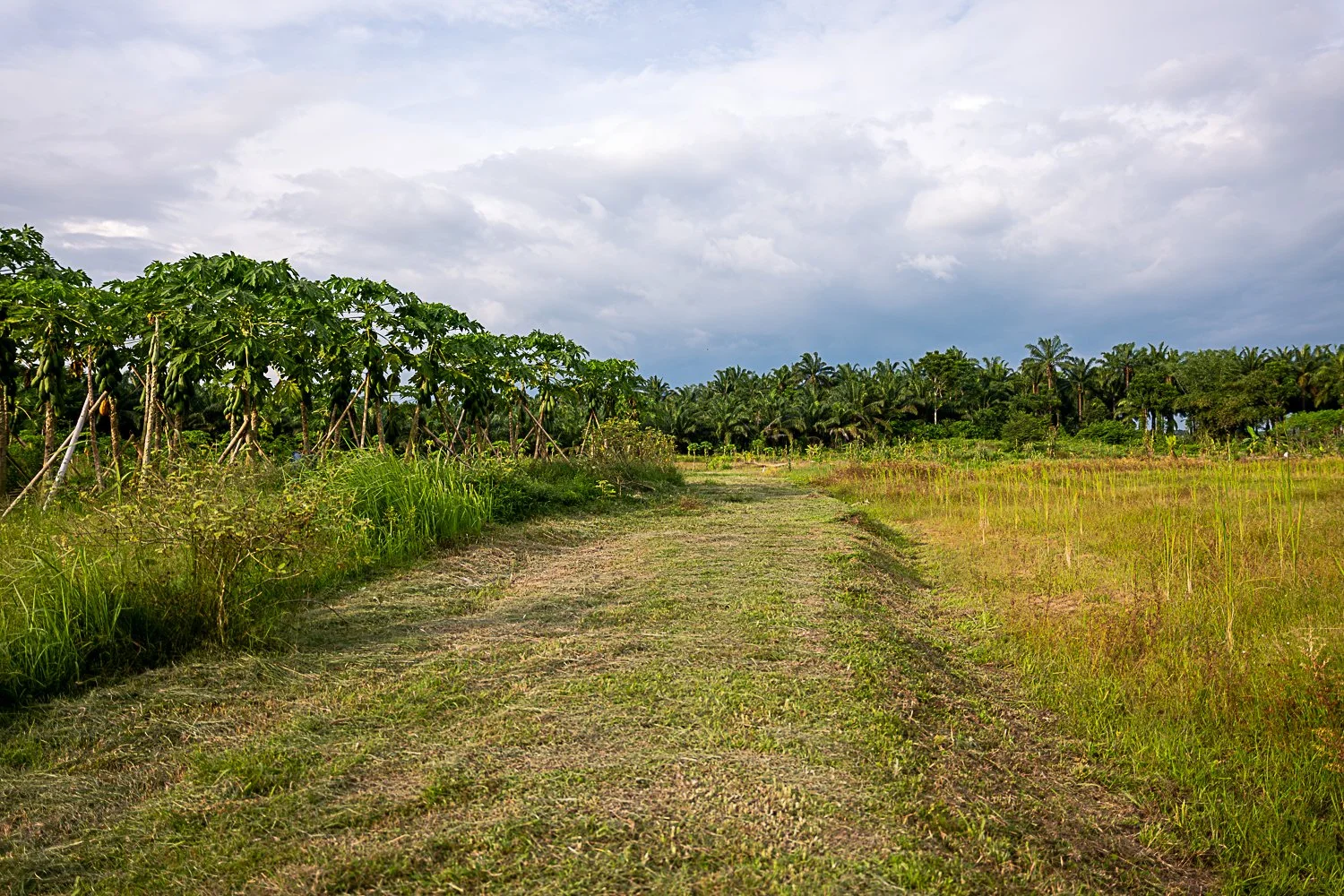
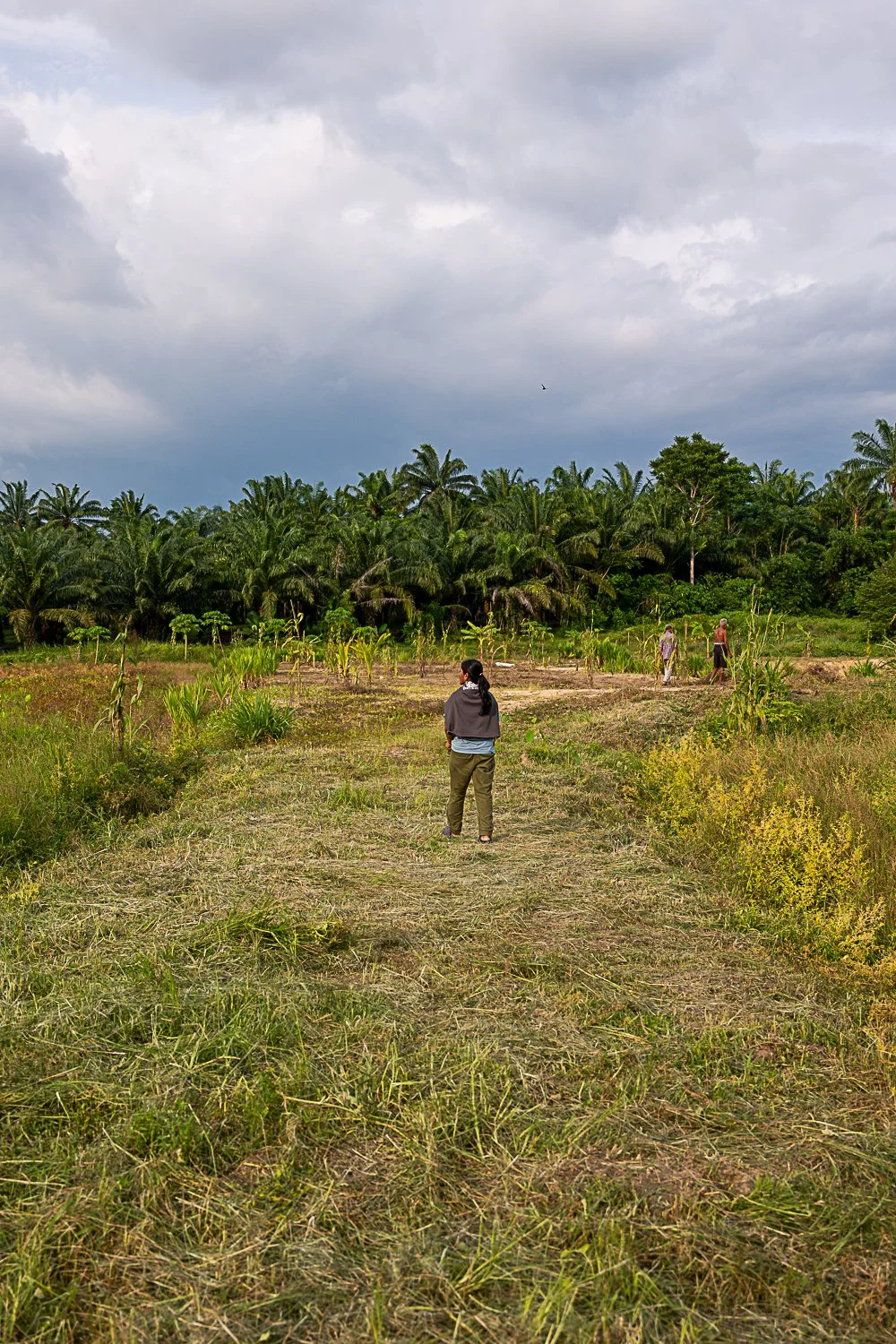
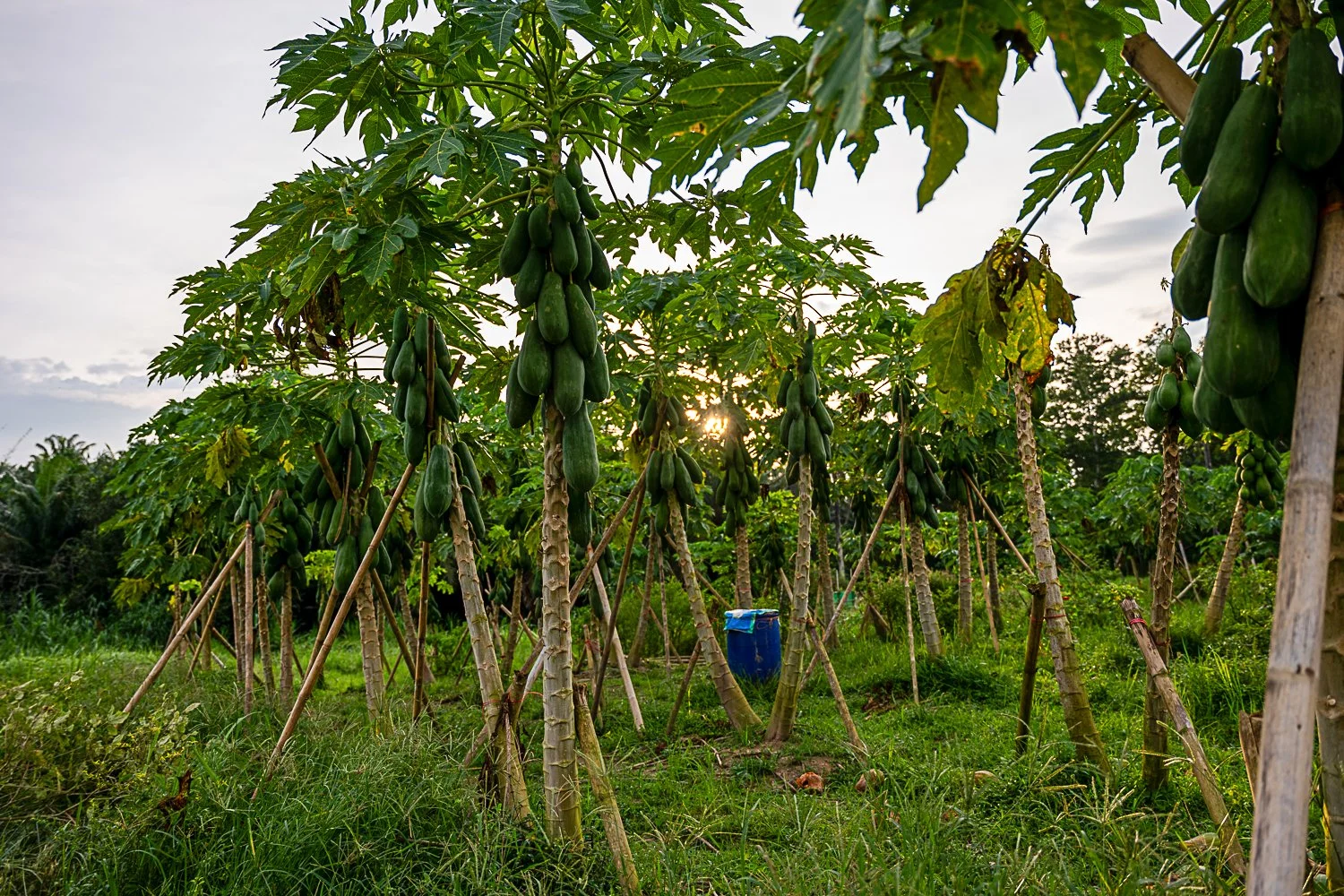
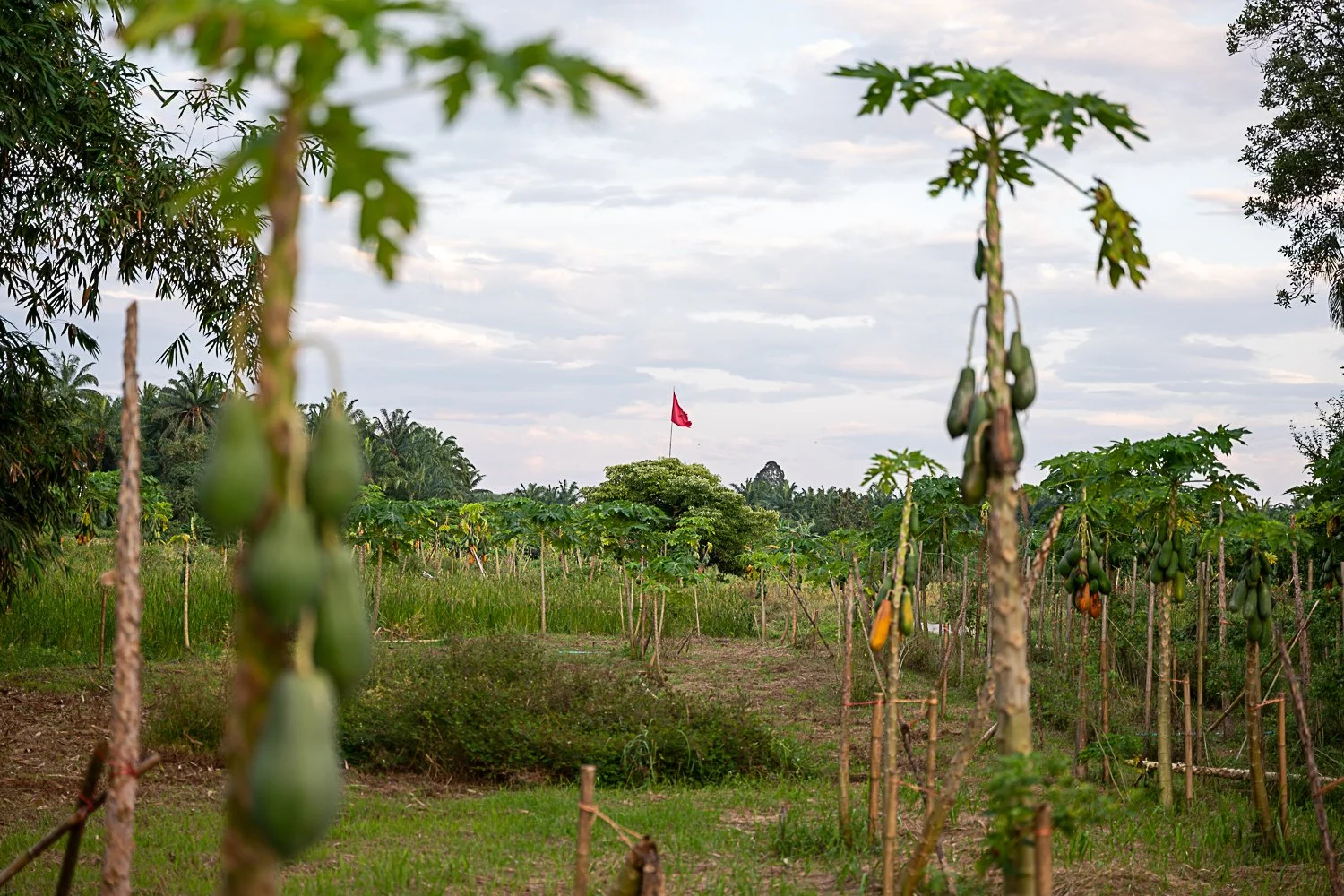
In southern Thailand, across the provinces of Surat Thani, Krabi, and Nakhon Si Thammarat, landless farmers have organized to reclaim land once controlled by palm oil companies and absentee landlords. Decades of plantation expansion replaced diverse forests and community farmland with monocropped rows of oil palm. When land concessions expired and companies refused to leave, rural families — many without secure access to land — began occupying and restoring the territory collectively.
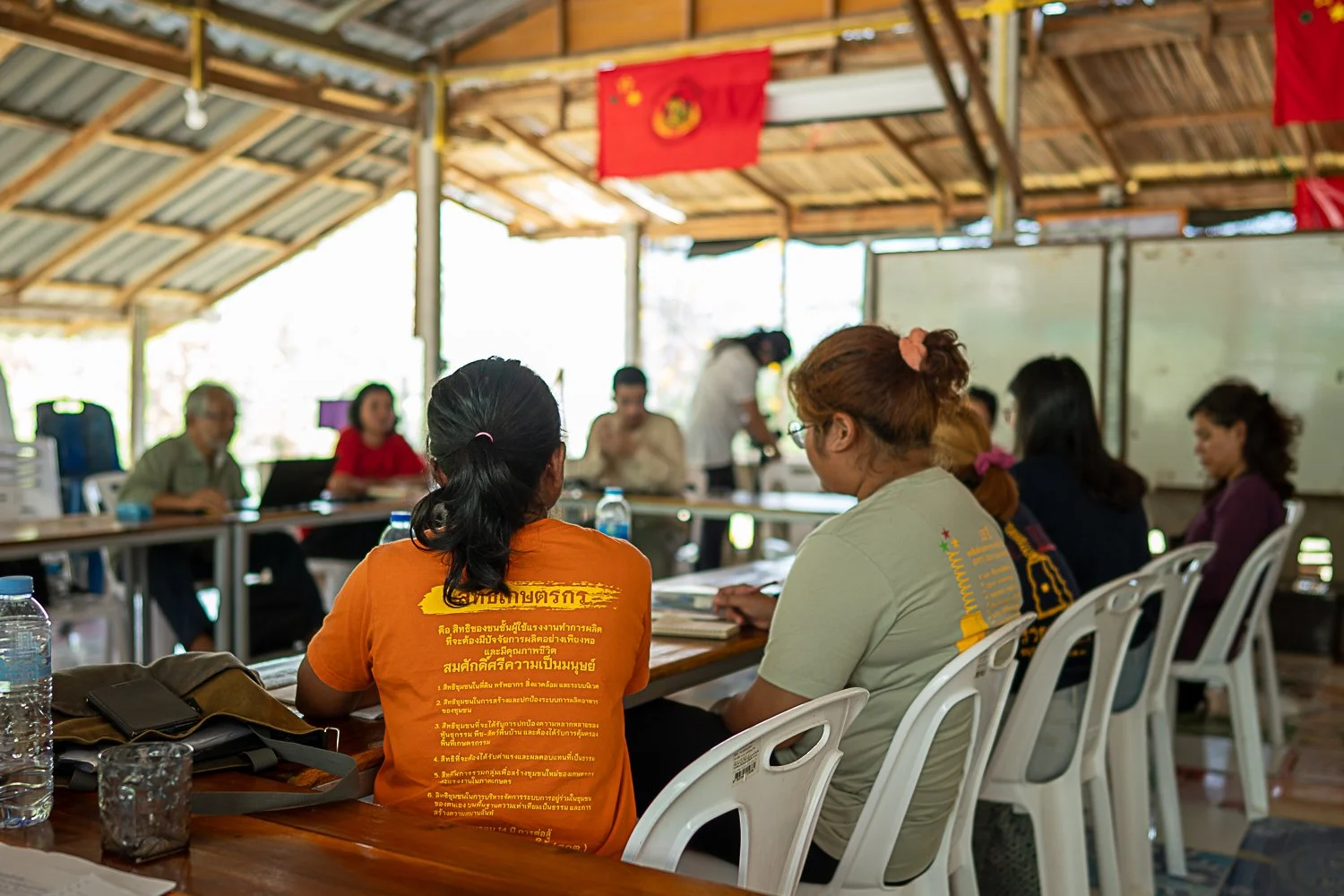
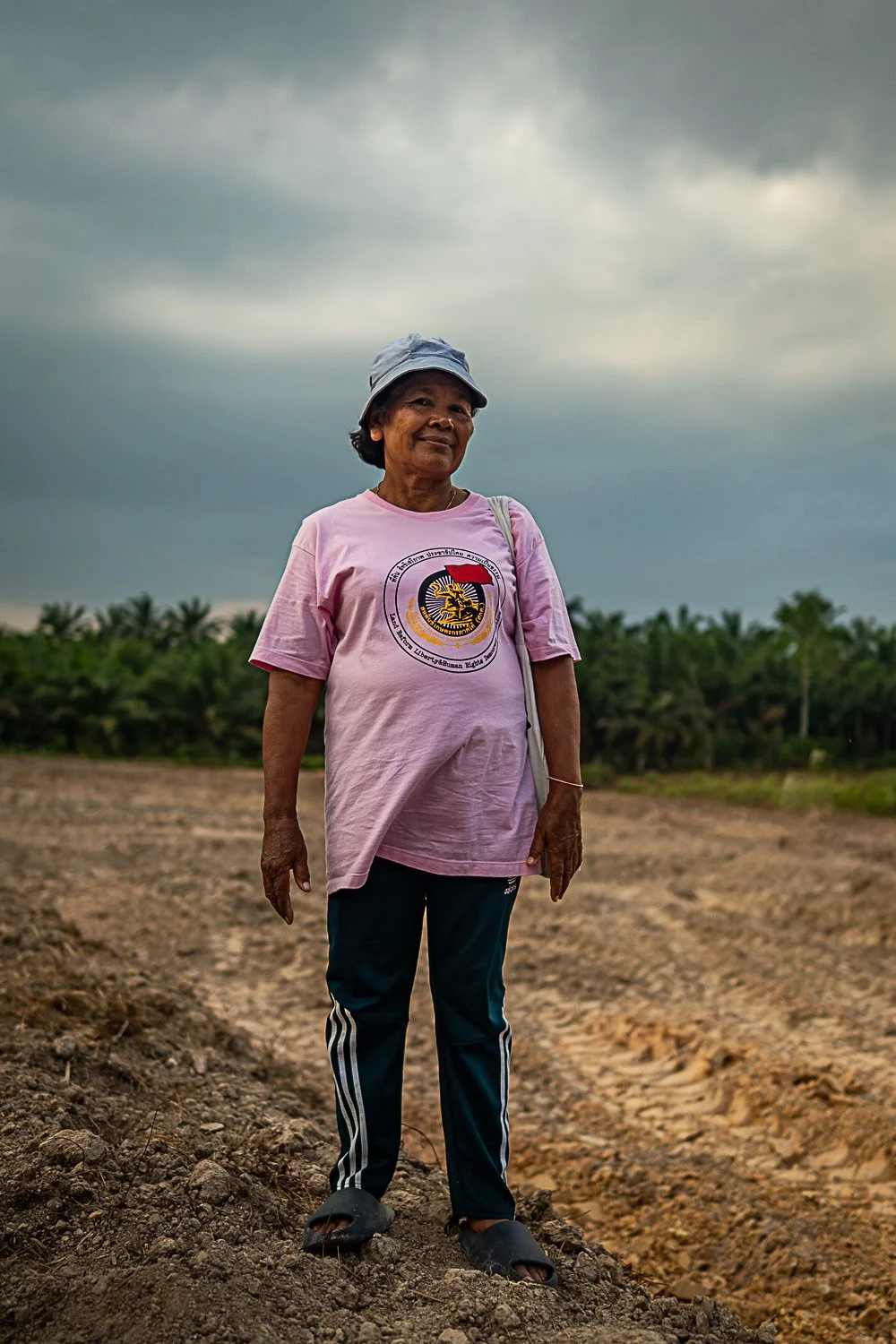
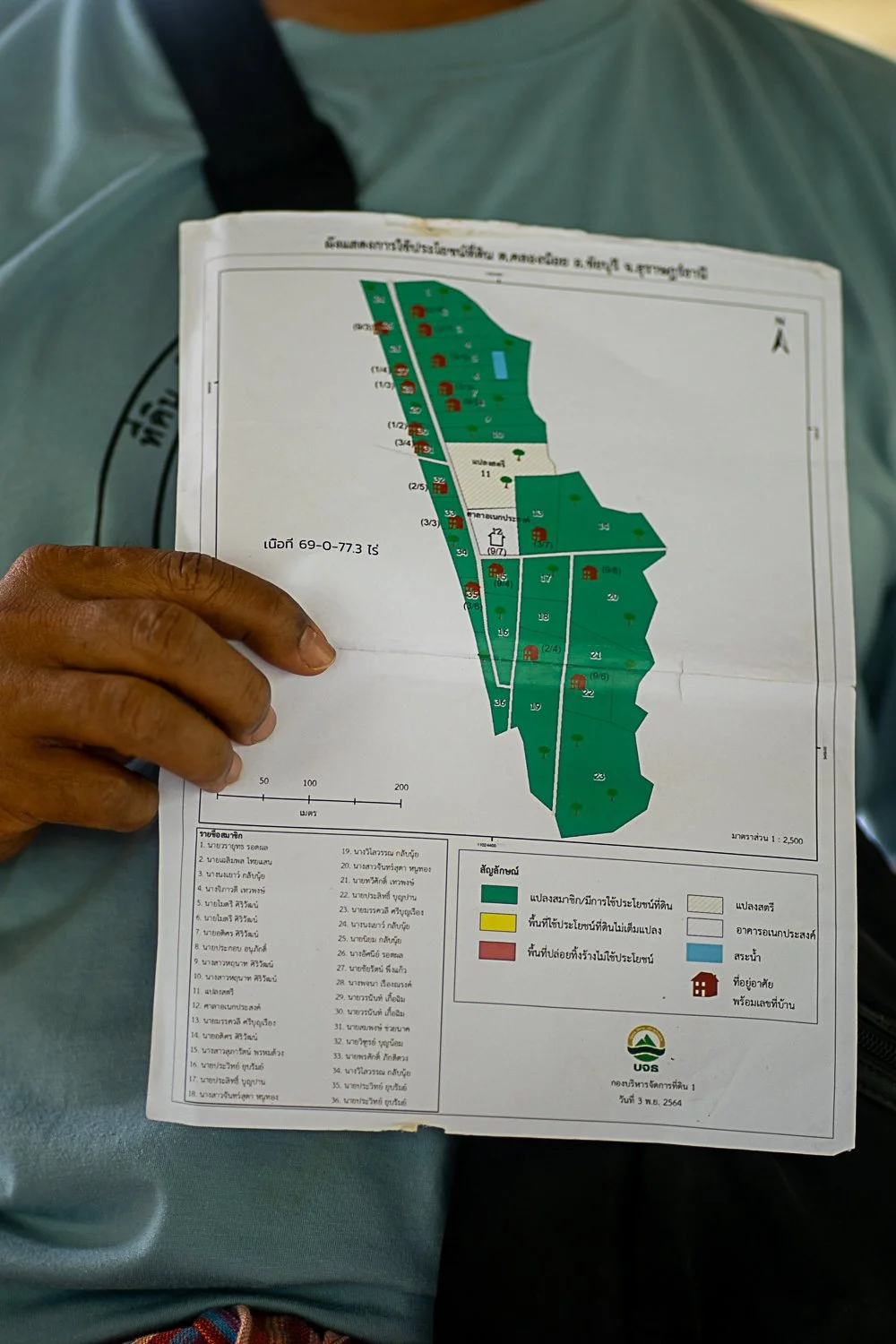
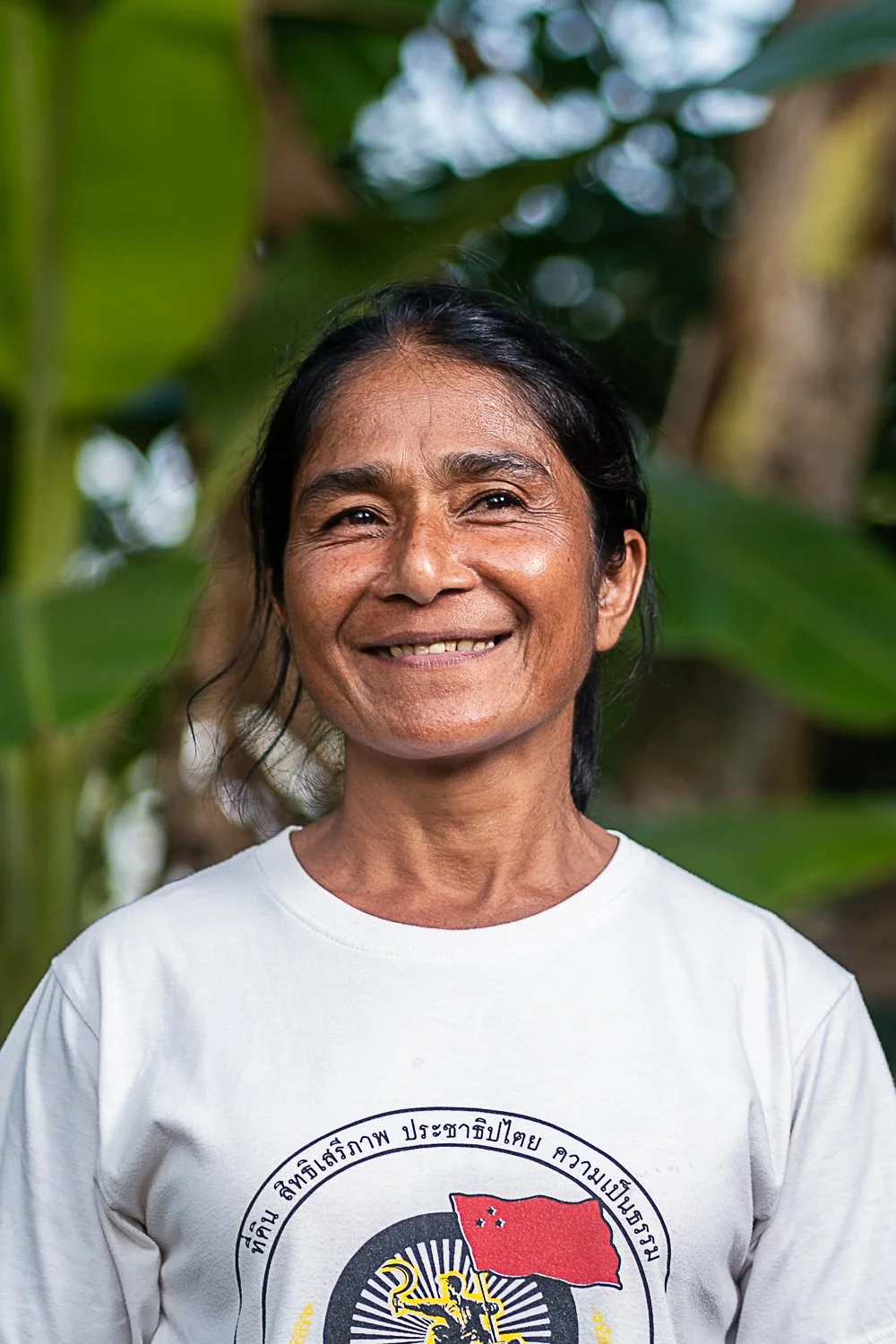
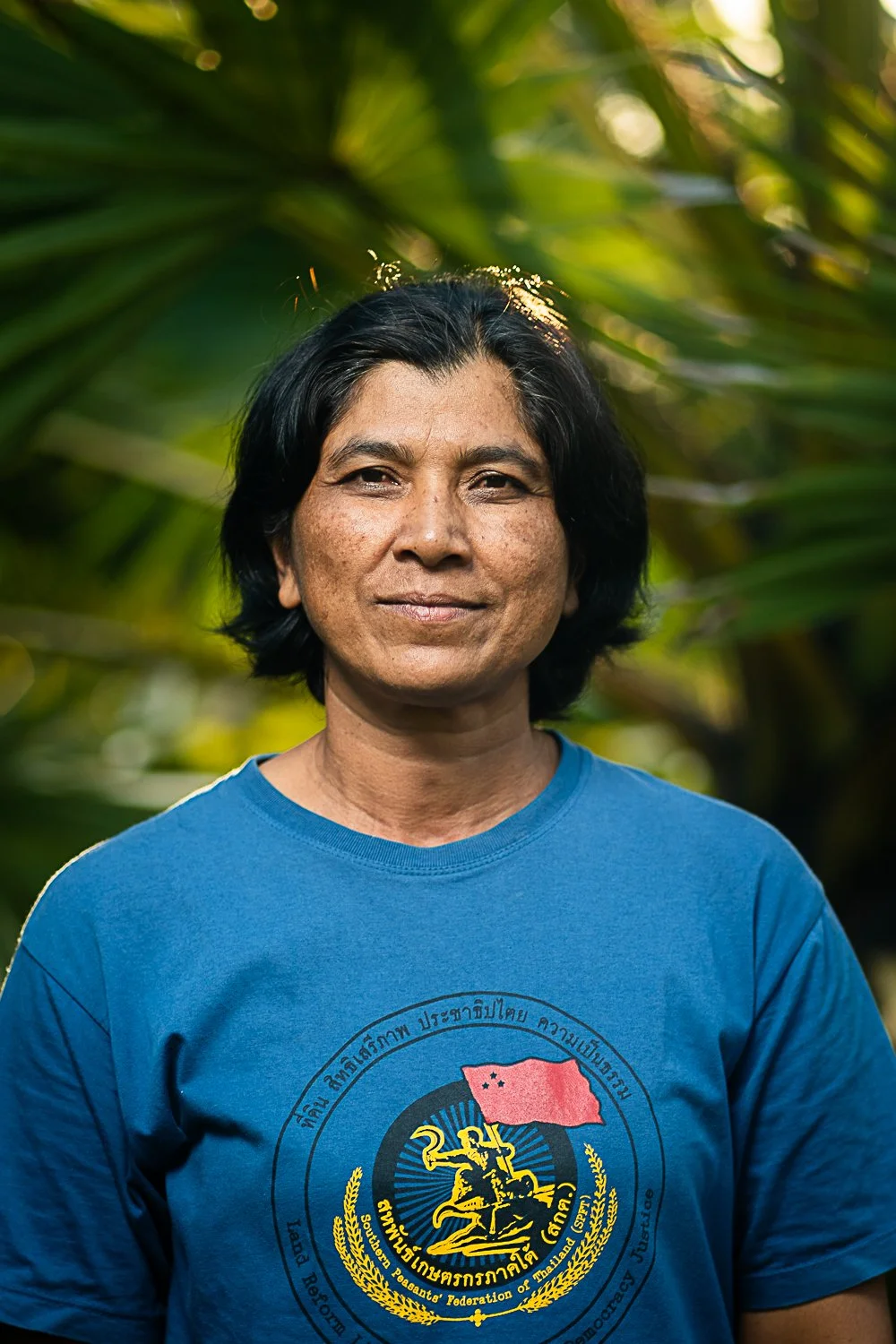
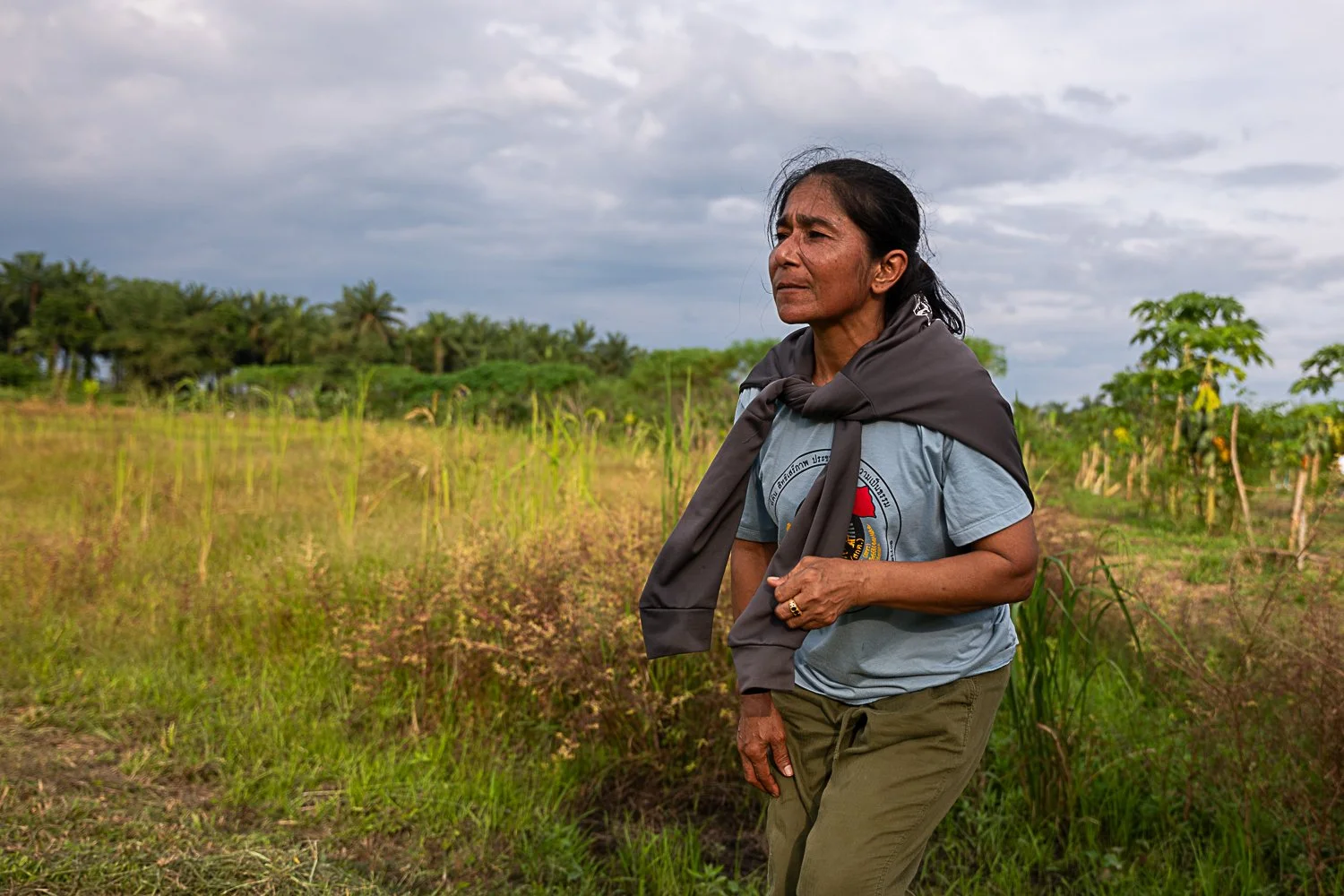
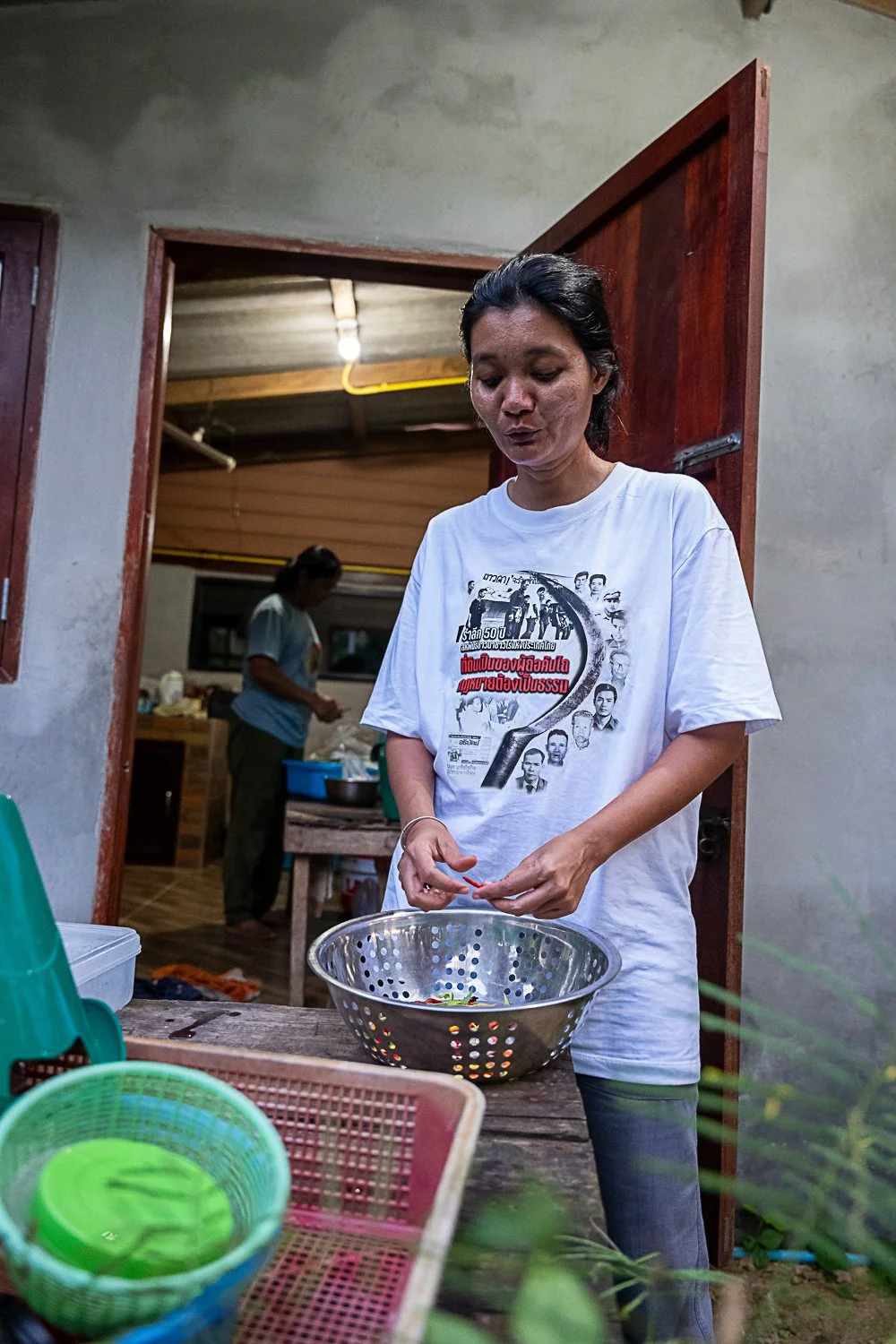
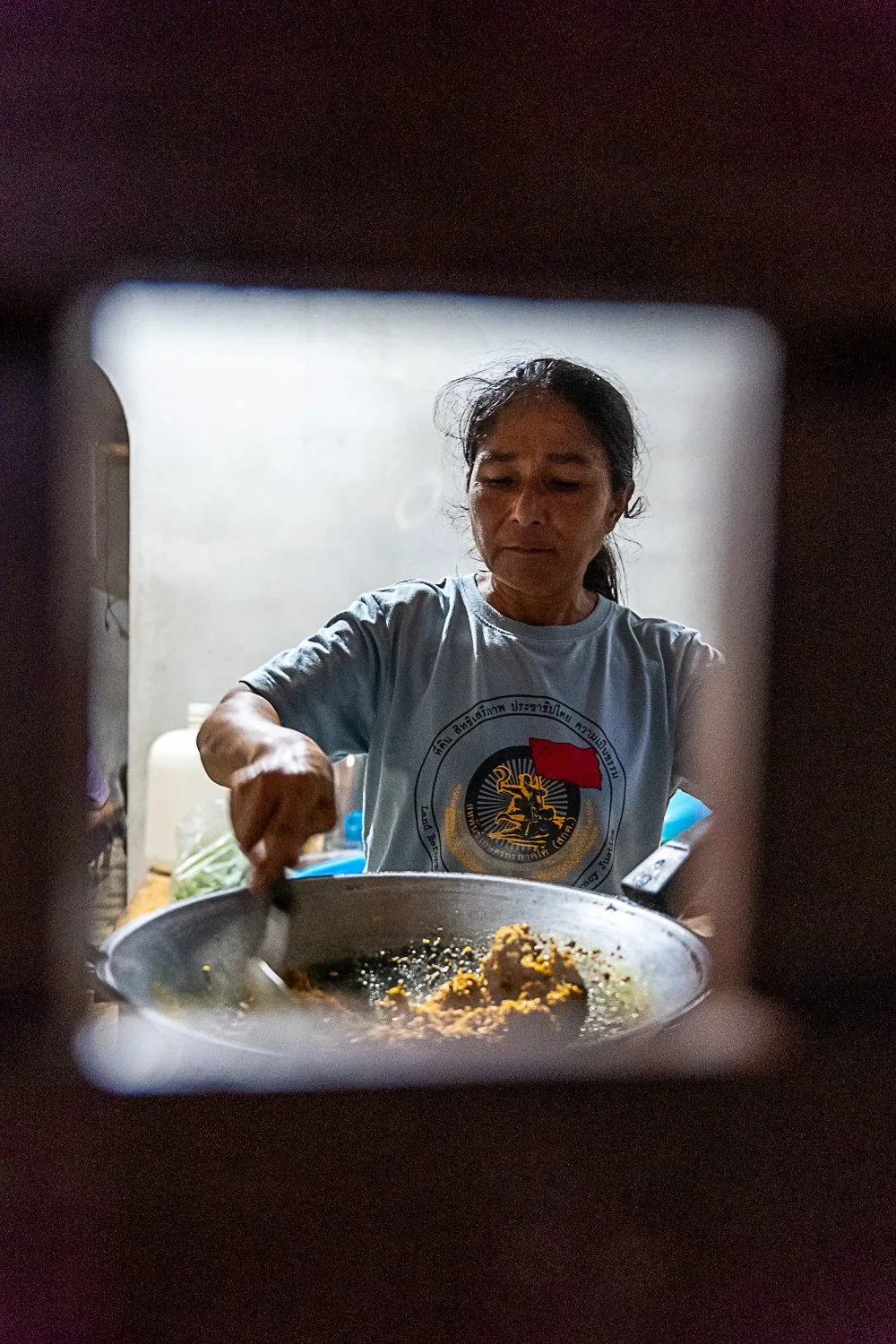
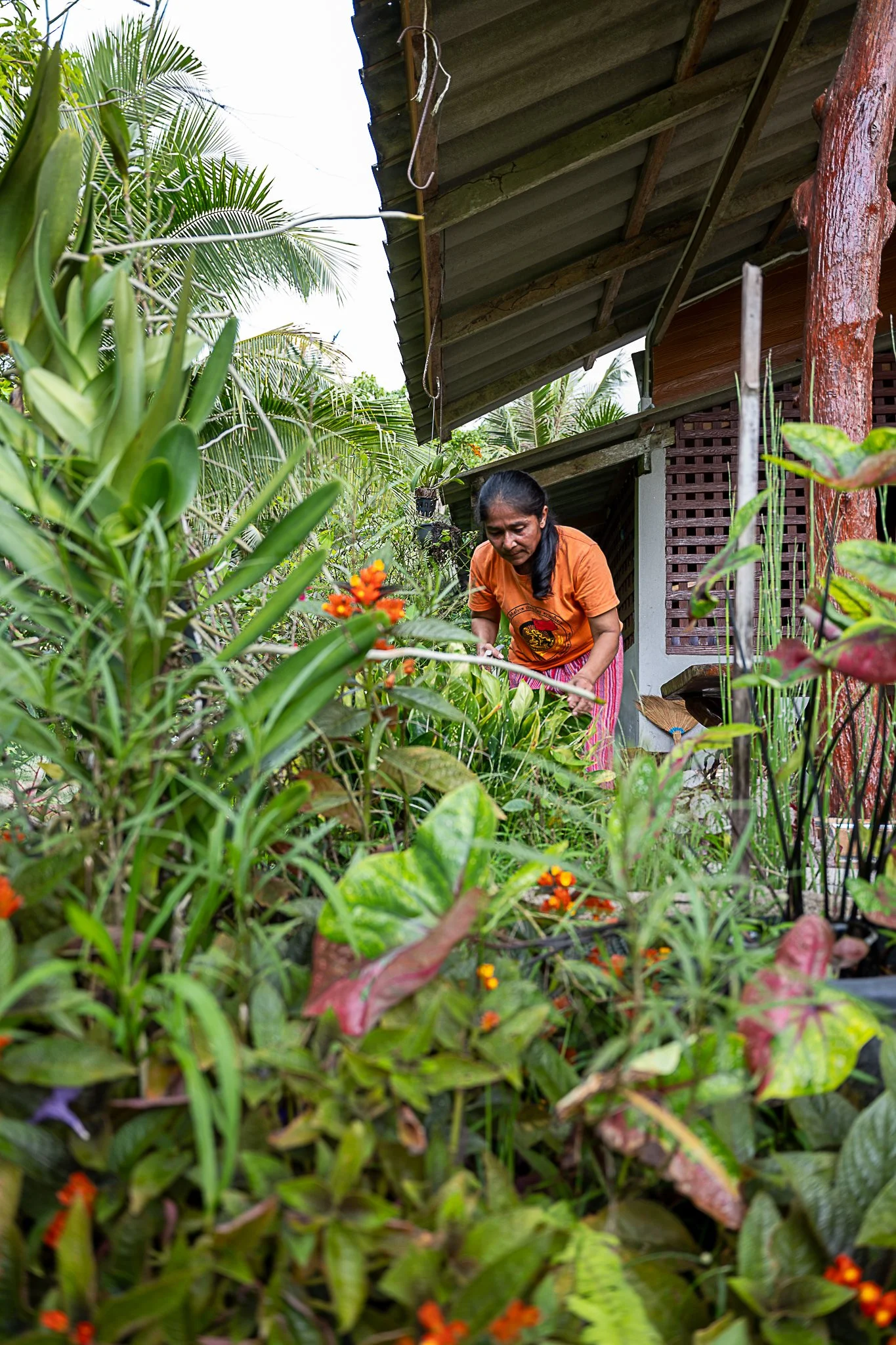
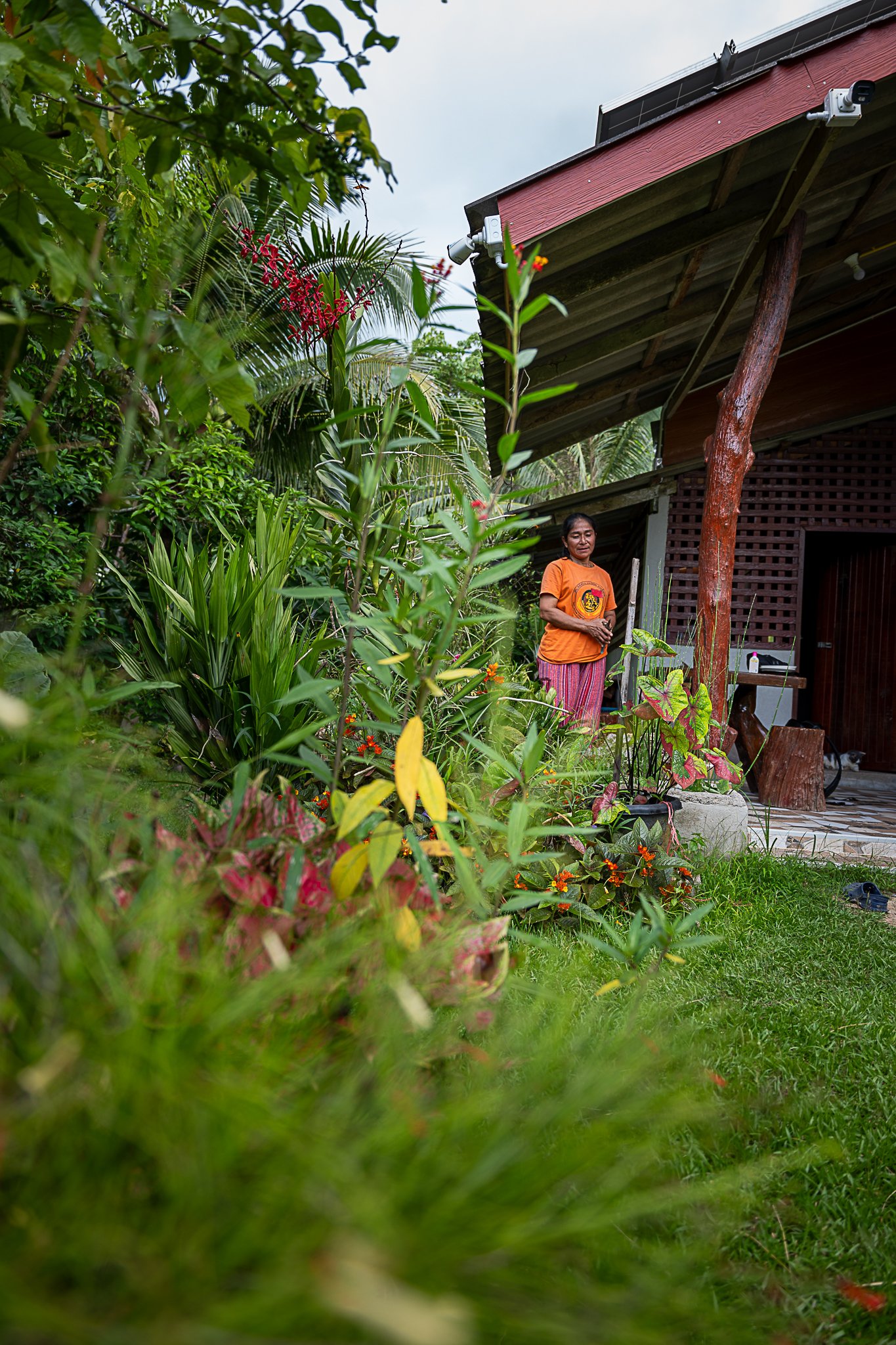
Out of this struggle, the Southern Peasants Federation of Thailand (SPFT) was formed. What began as a fight for land access evolved into a broader movement for land reform, community self-determination, and agroecology. Members organized cooperatives, established community land titles, and rebuilt degraded soil through collective farming. Women have played a central role in shaping the federation’s political education, food systems, and long-term vision for shared stewardship.
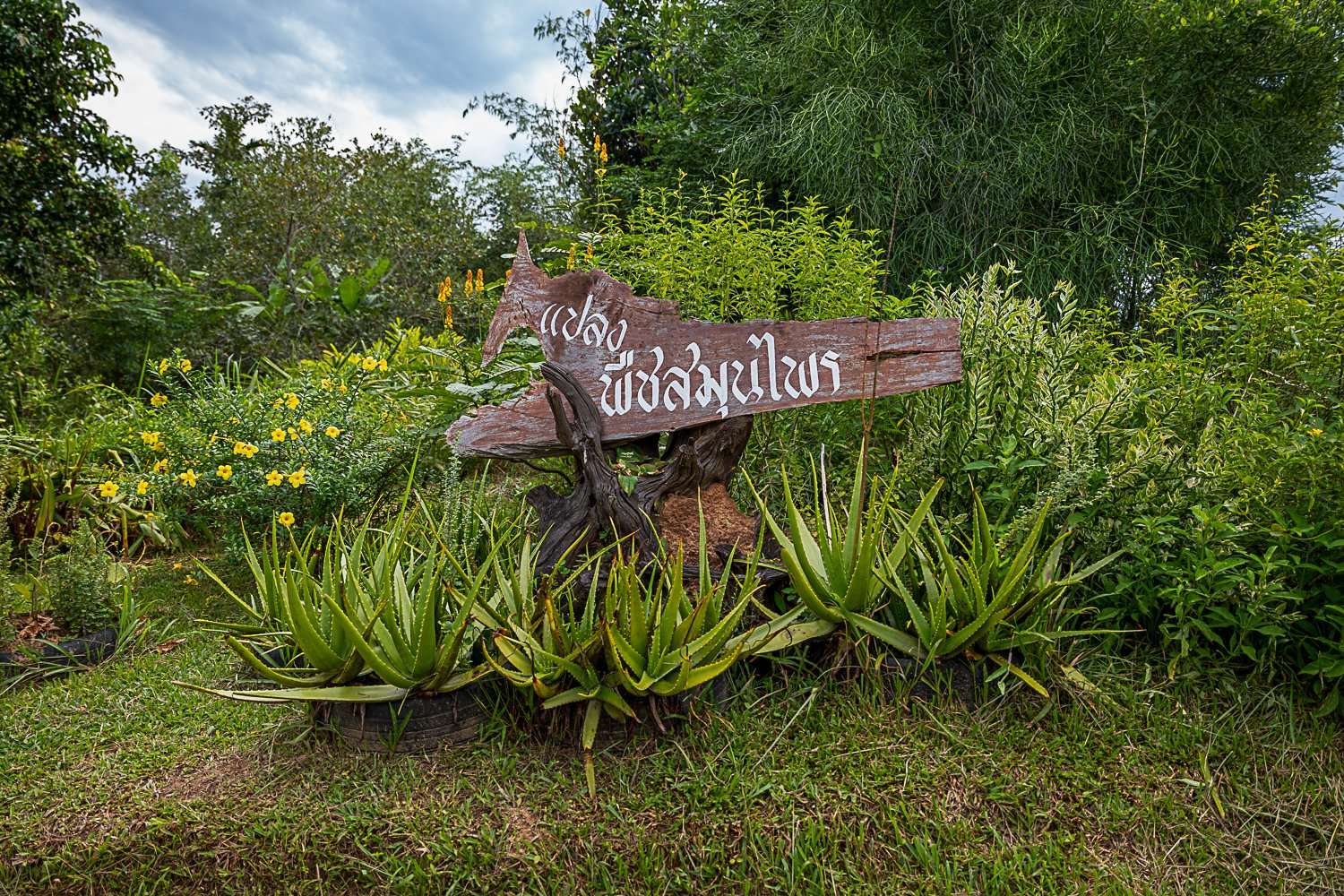
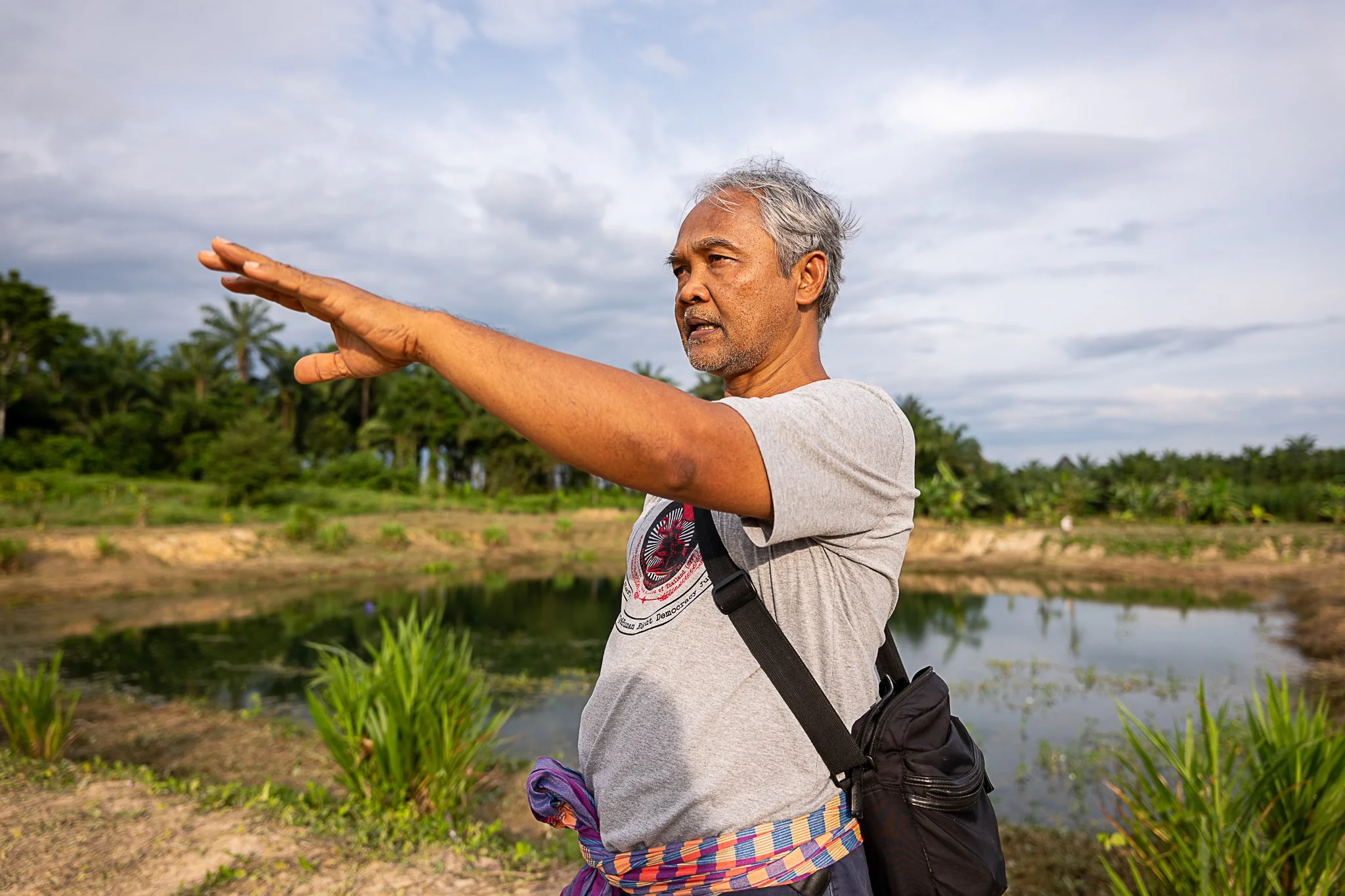
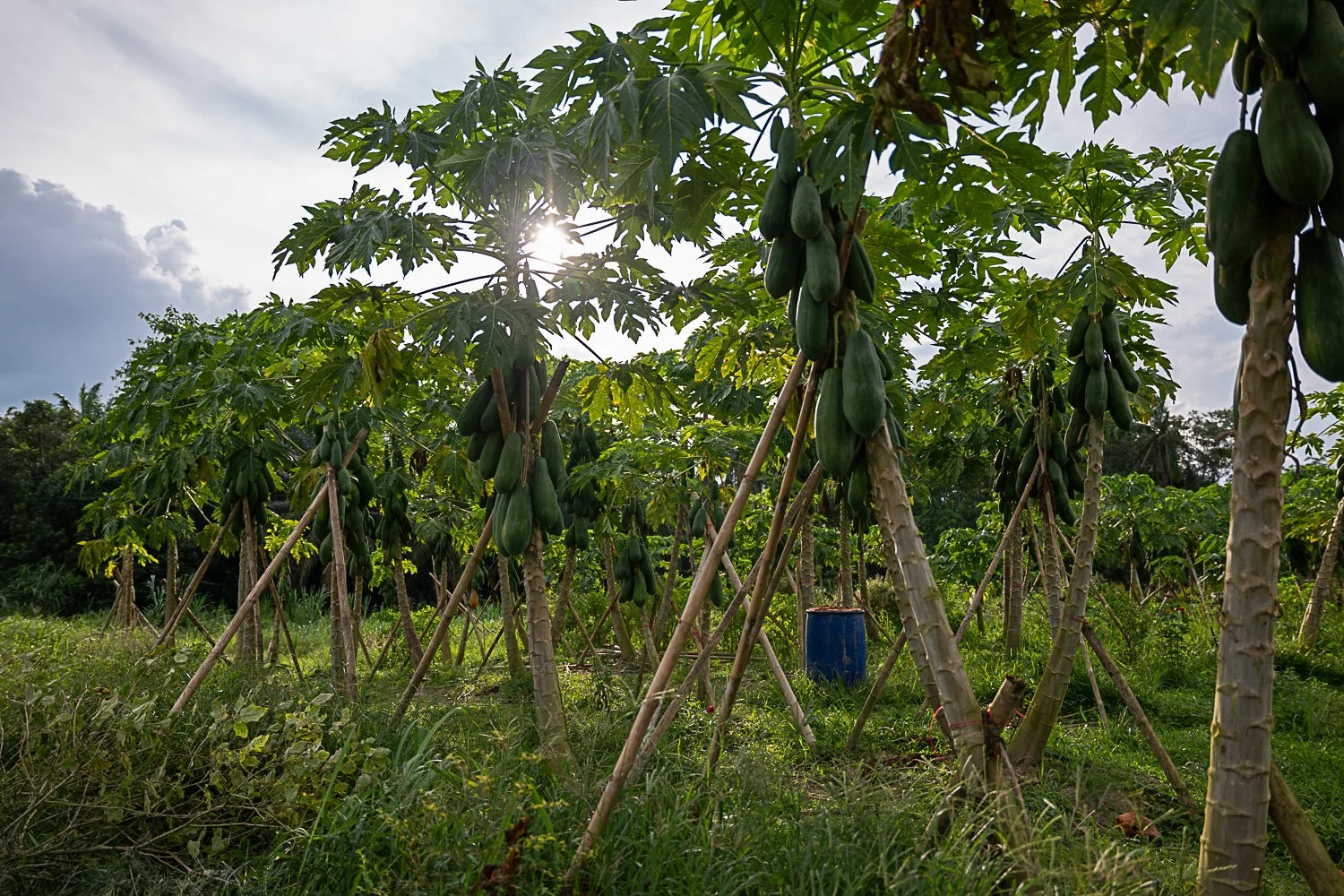
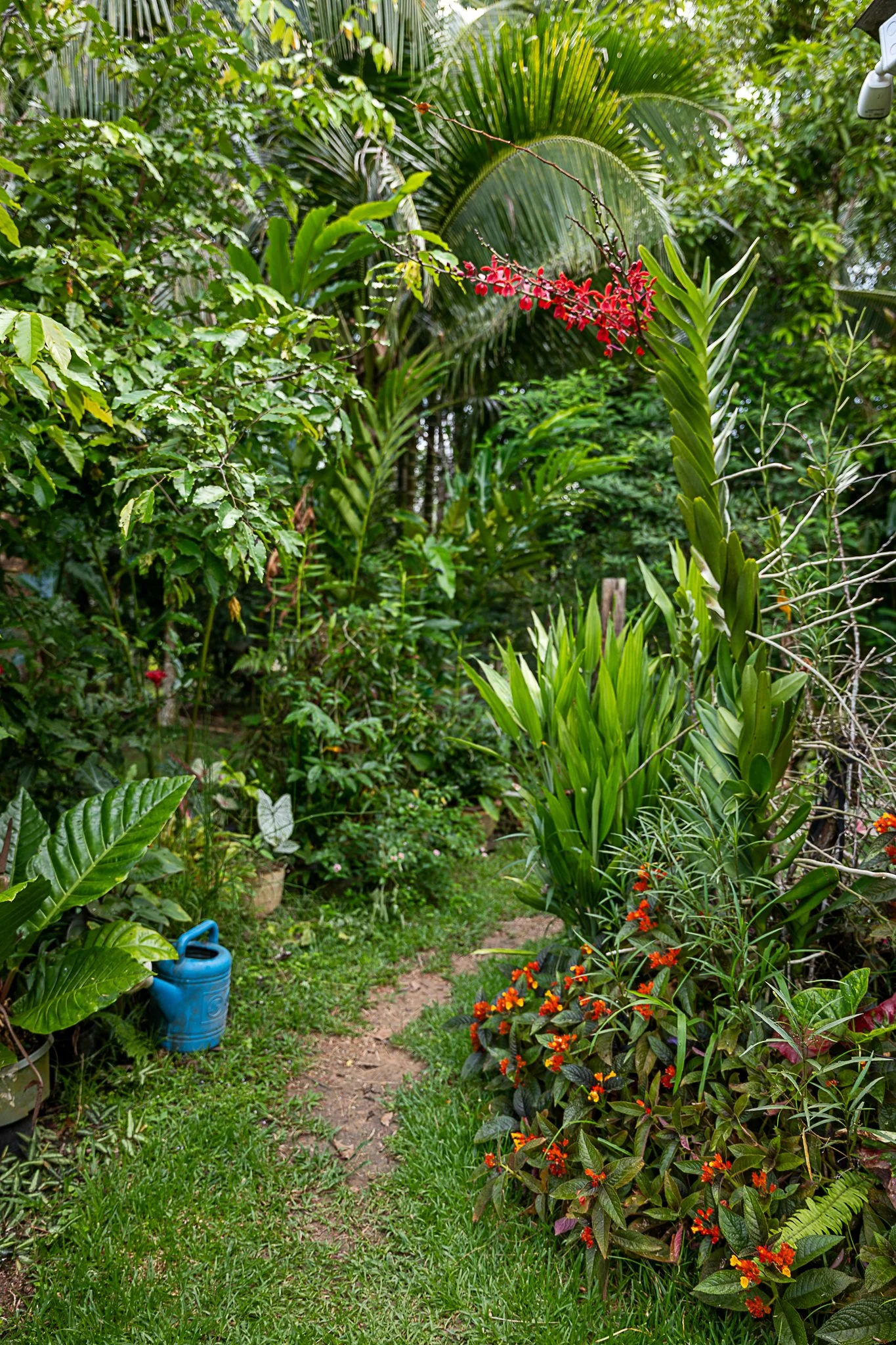
The struggle has not come without risk. SPFT members have faced intimidation, legal battles, and violence for challenging entrenched land interests. Yet communities continue to cultivate oil palm, vegetables, and fruit trees side by side — transforming contested plantations into living examples of what equitable land distribution can look like. Through collective governance structures, they make decisions together about land use, production, and mutual care.
Today, SPFT stands as part of a wider movement in Thailand advocating for land justice and agrarian reform. Their work is not only about reclaiming territory, but about reimagining it: restoring ecological balance, strengthening rural livelihoods, and building systems rooted in solidarity rather than extraction.
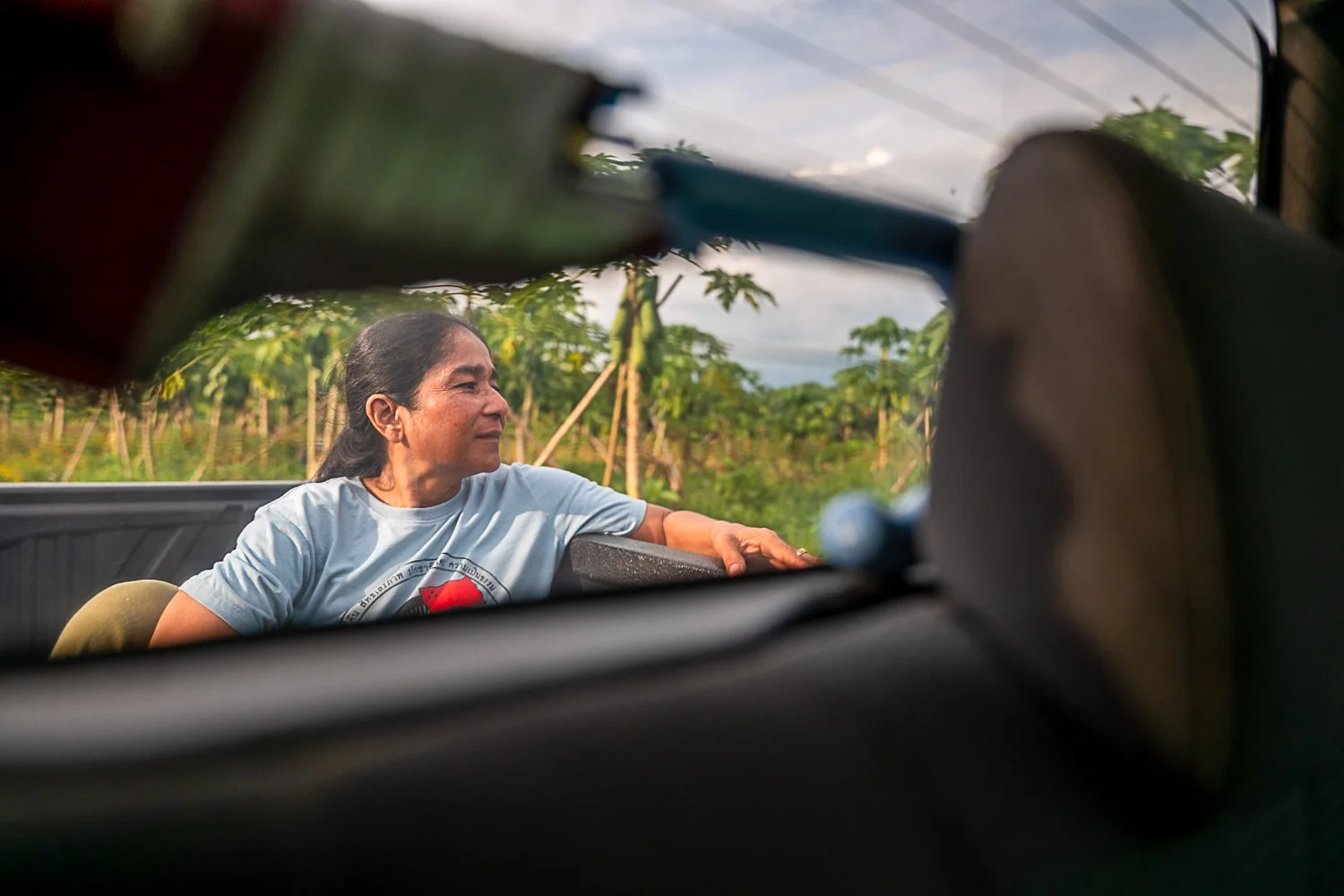
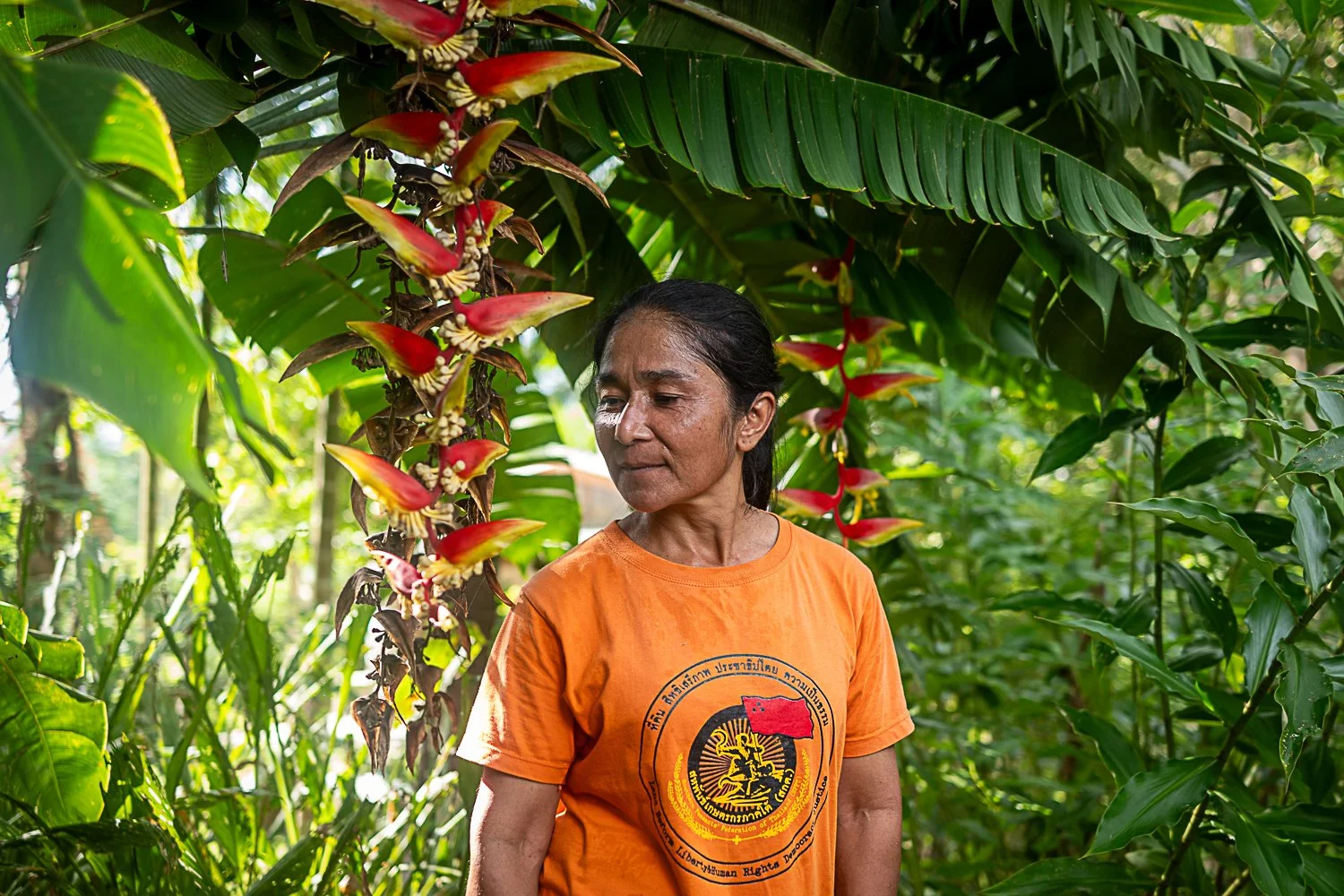
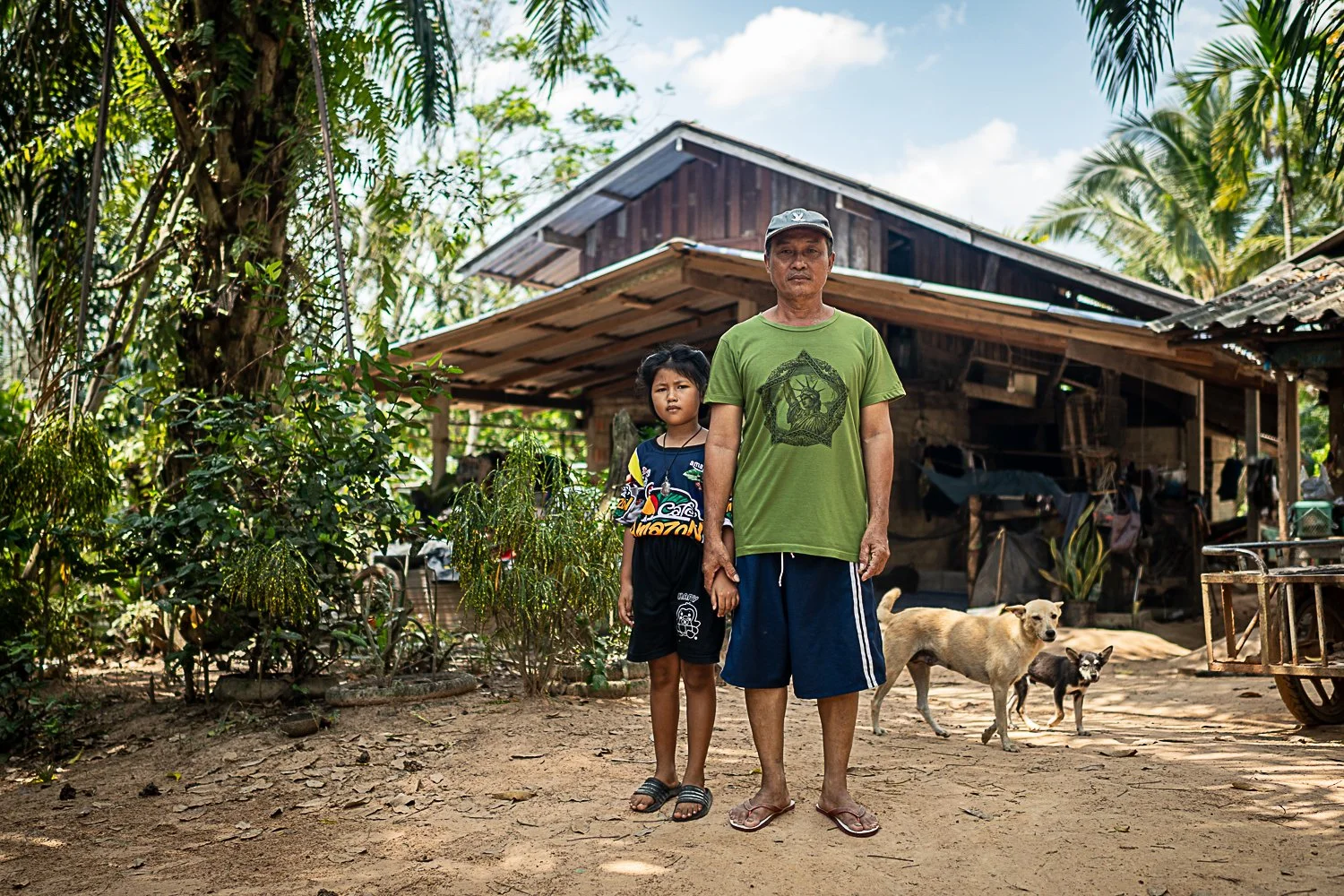
This body of work was created during my time as Photographer in Residence with Thousand Currents, in collaboration with the Southern Peasants Federation of Thailand (SPFT), a grassroots movement of landless families reclaiming former palm-oil plantations to build cooperative agroecological villages. Over decades, SPFT has transformed sites of extraction into territories rooted in collective governance, women’s leadership, and food sovereignty.
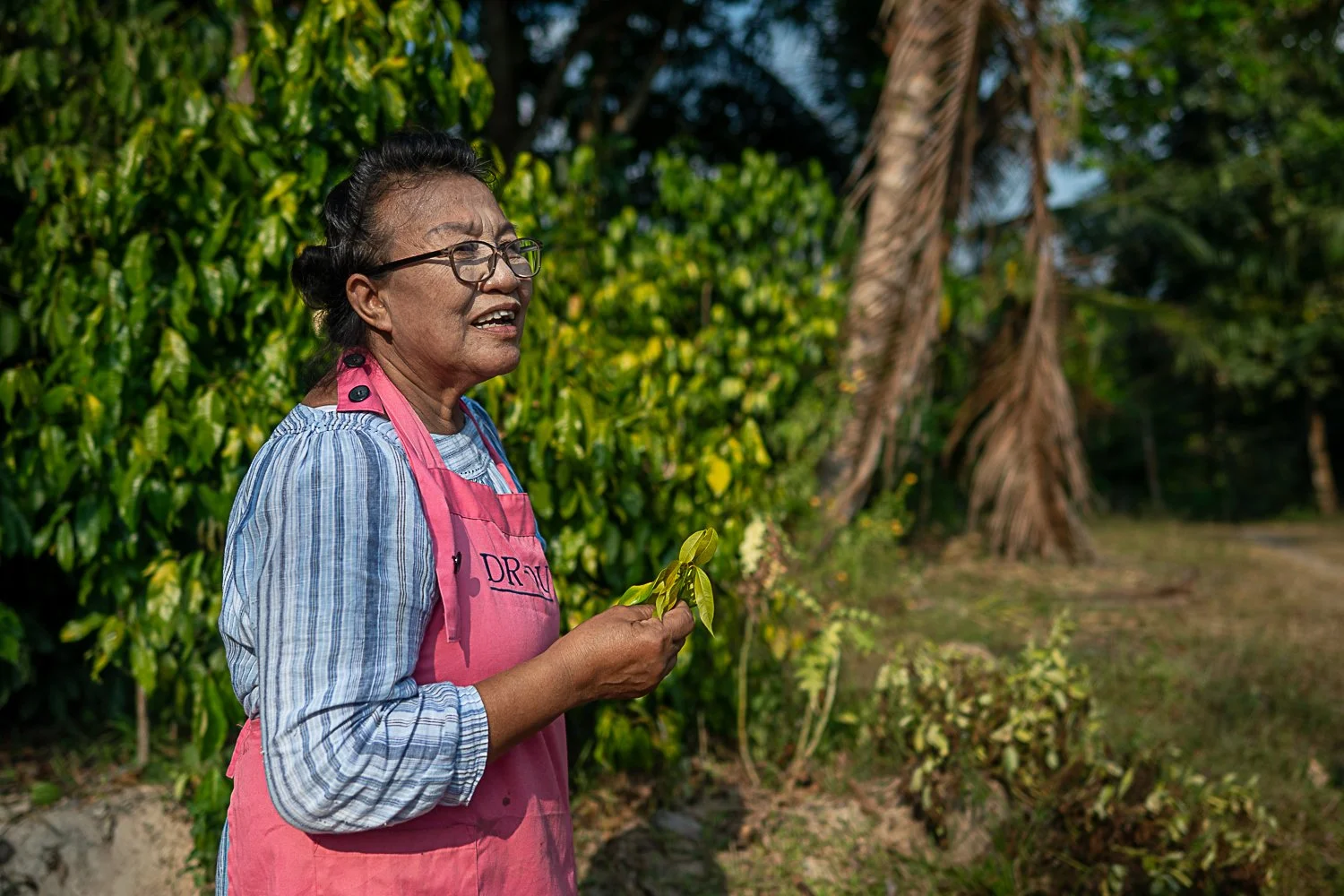
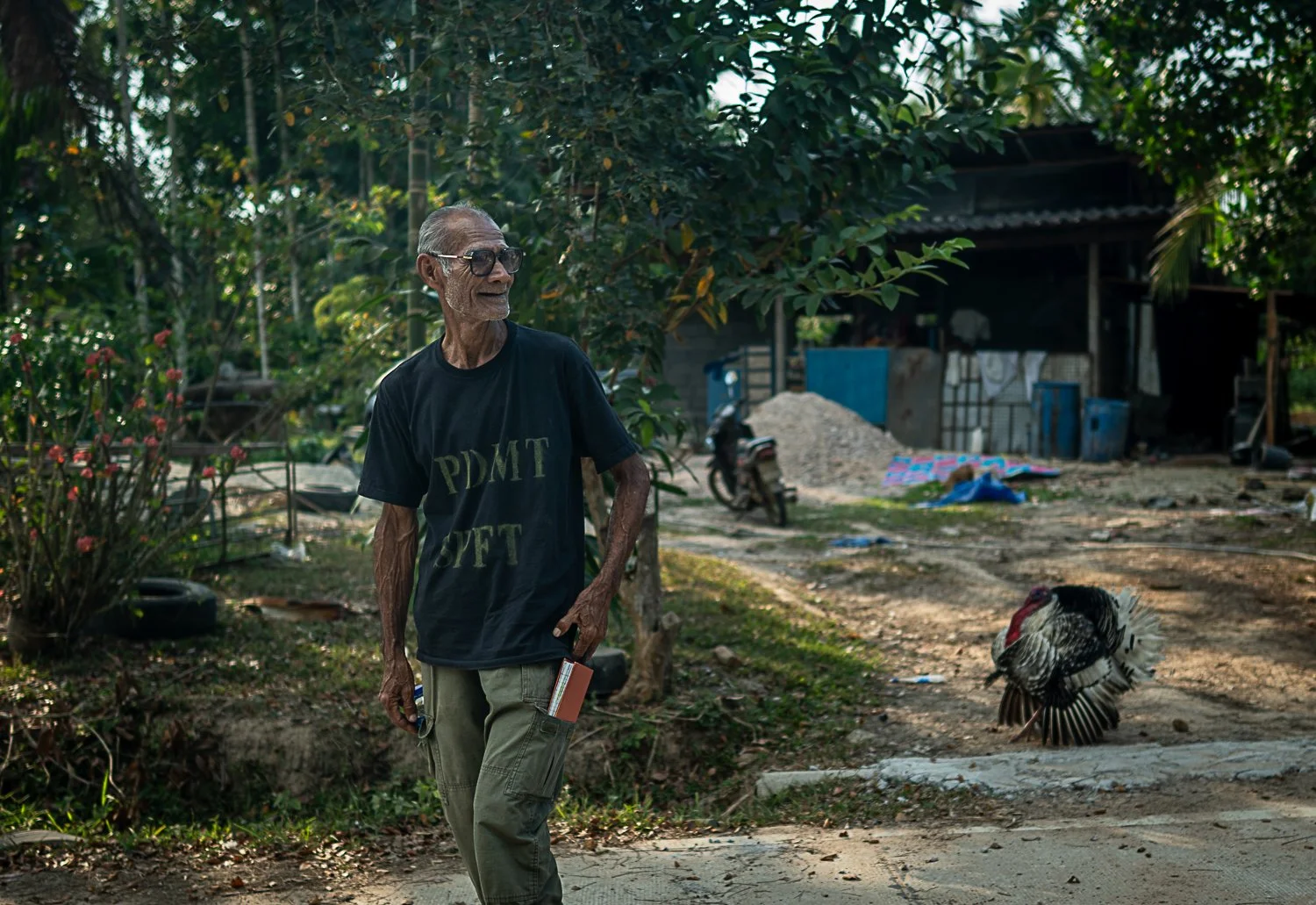
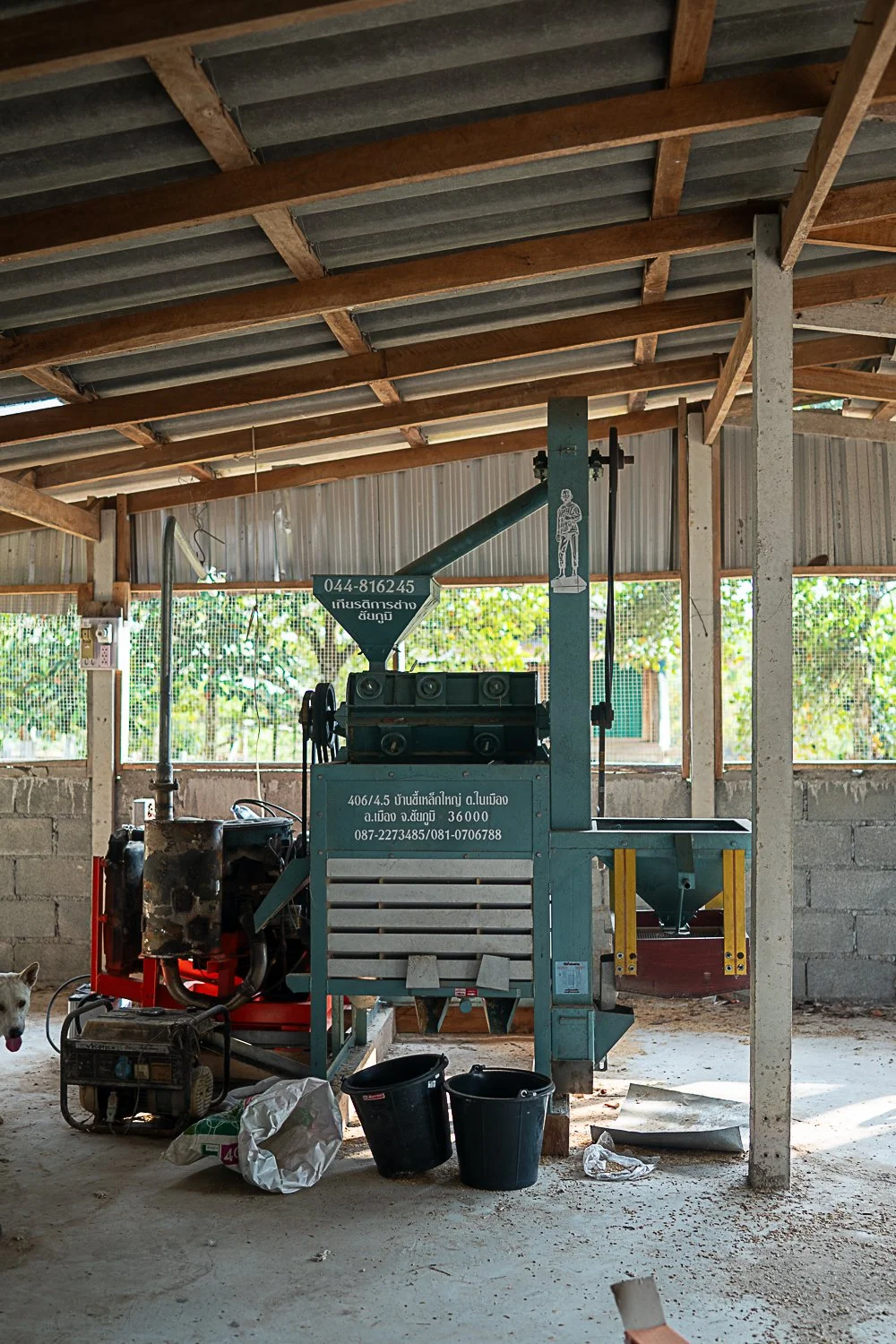
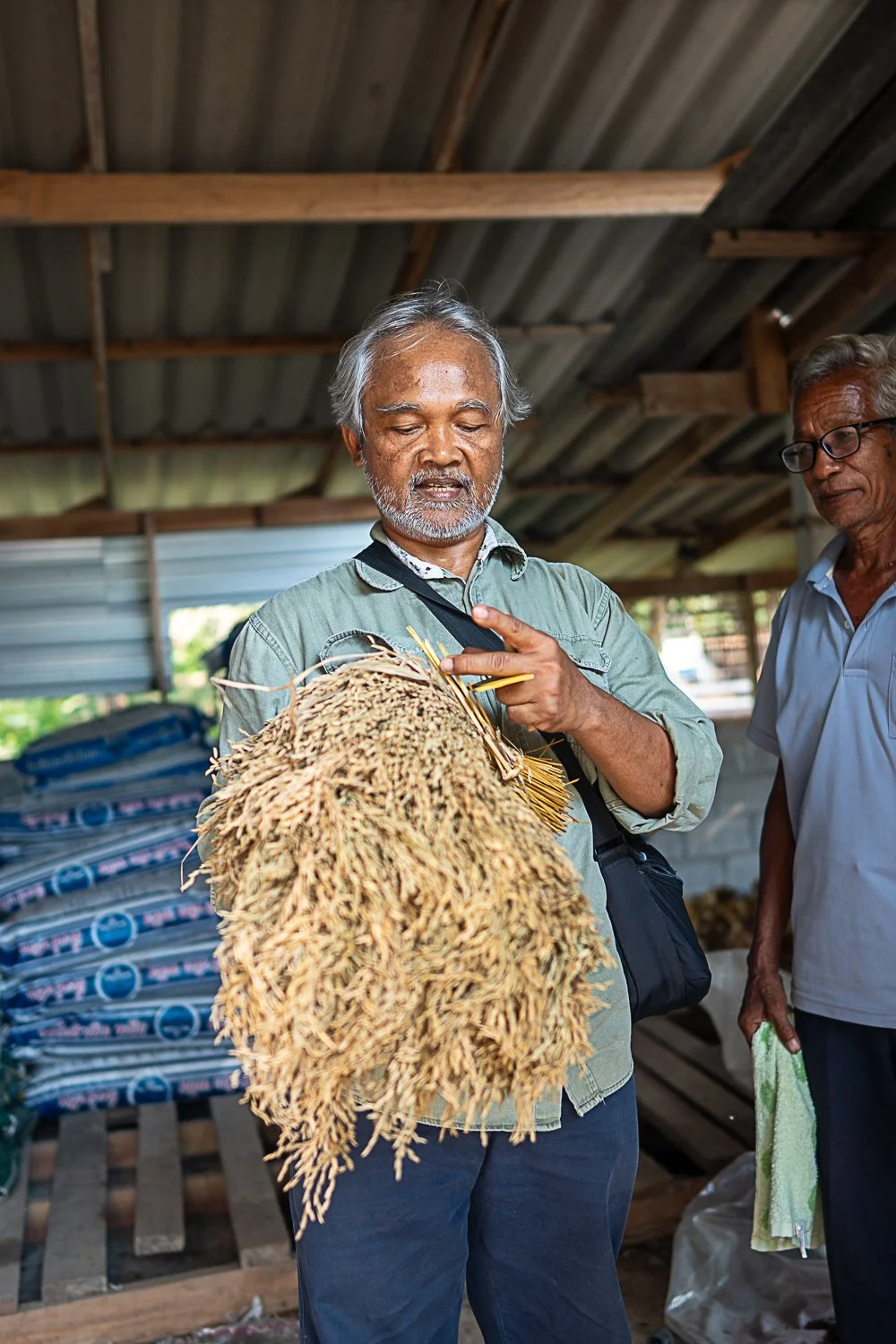
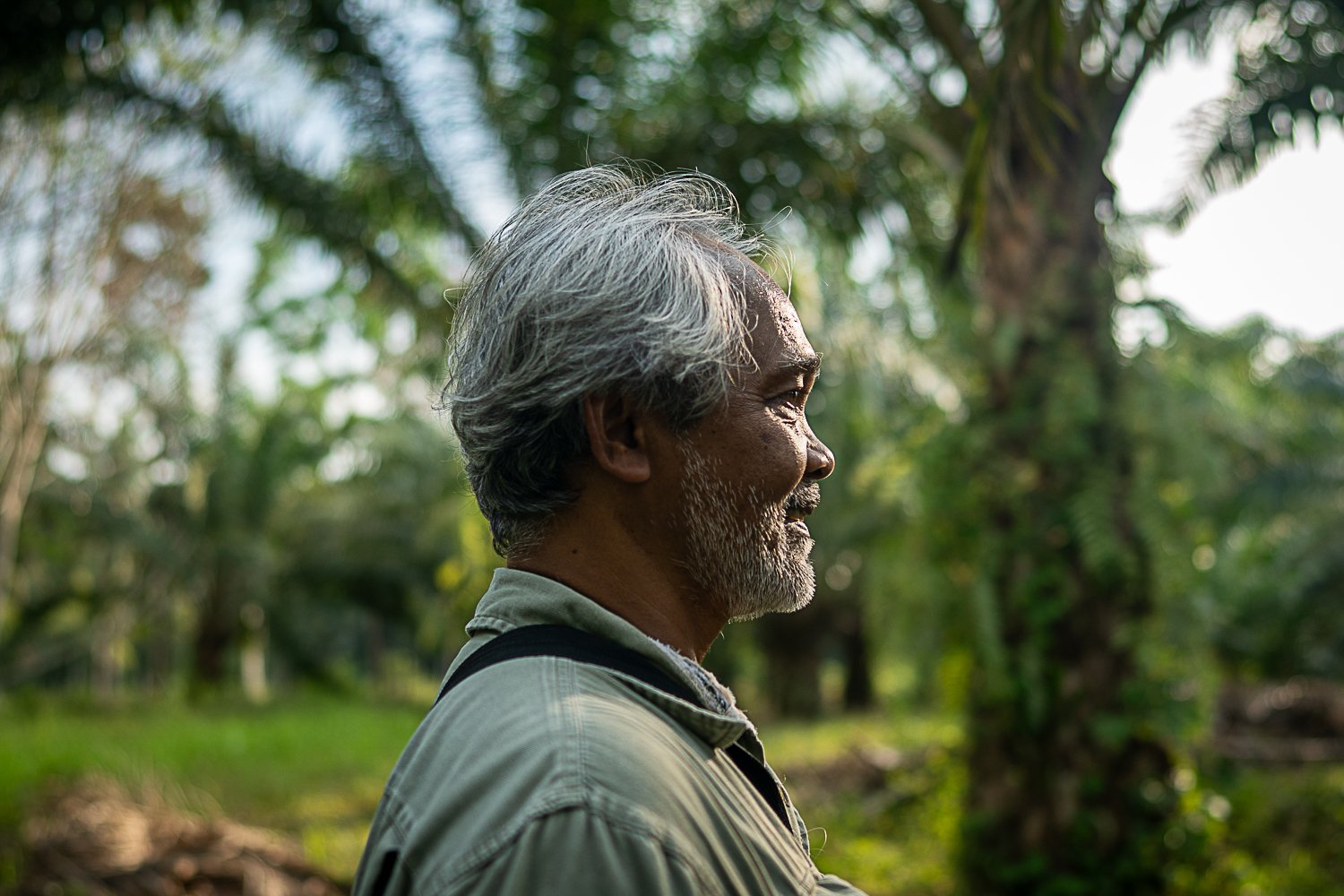
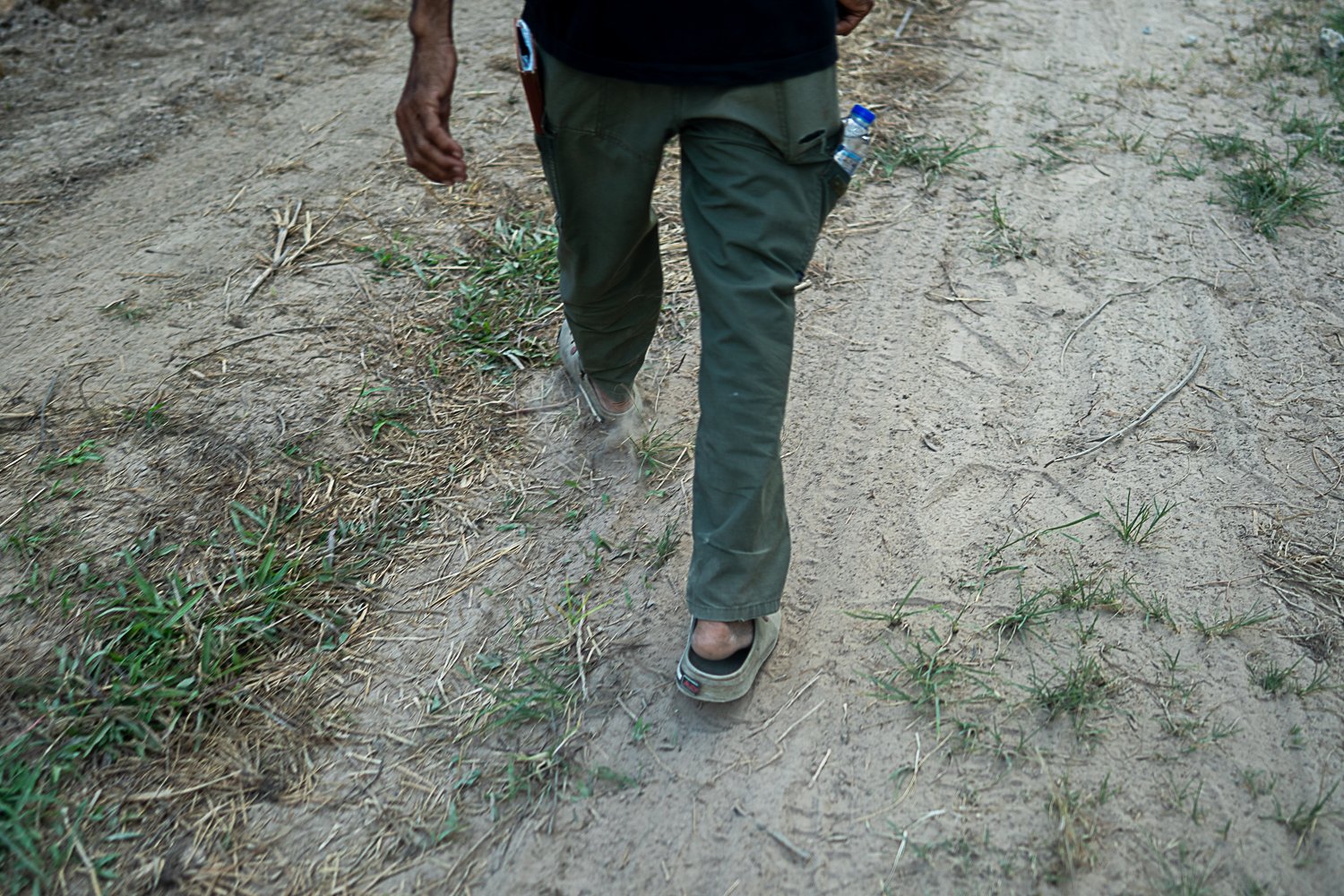
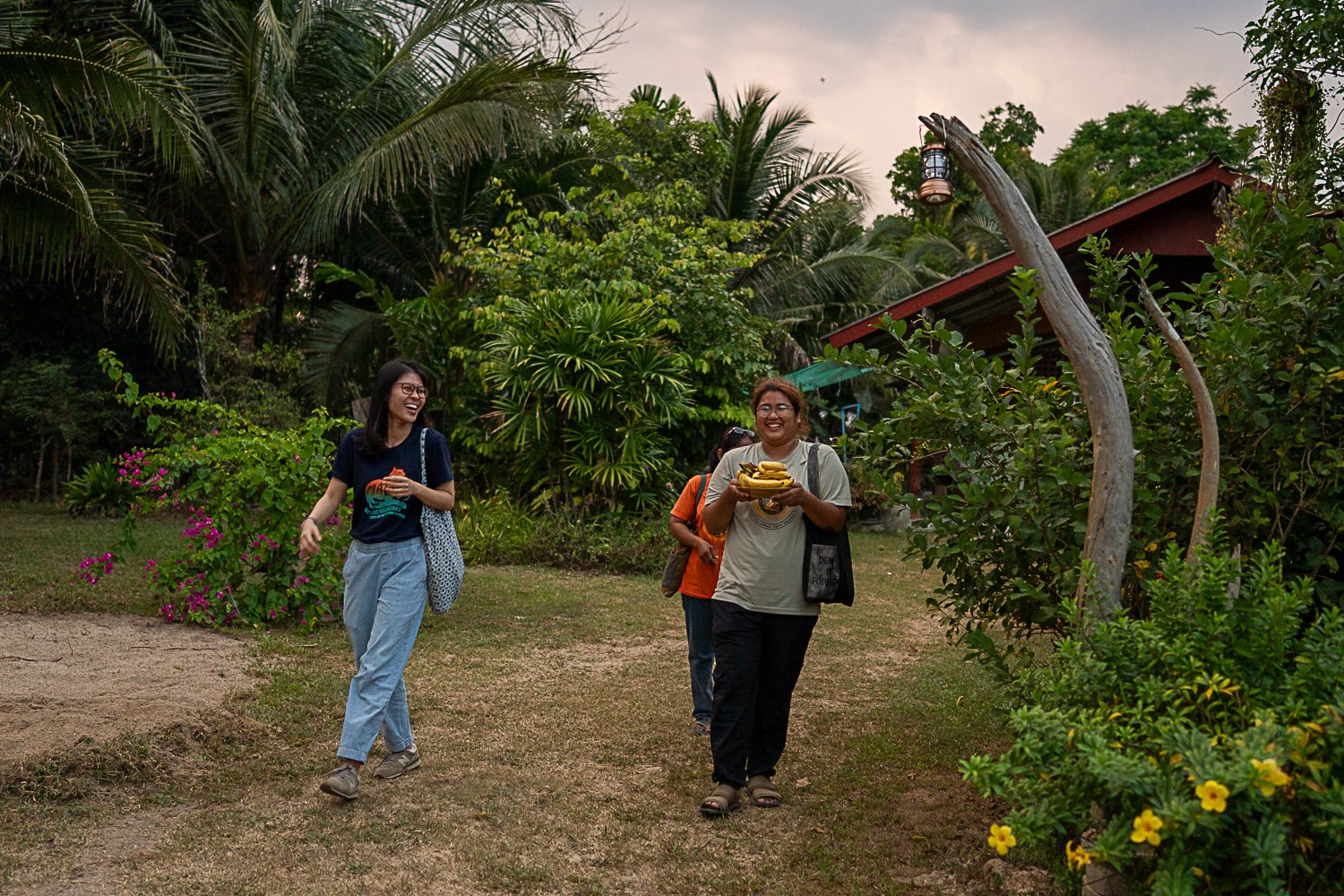
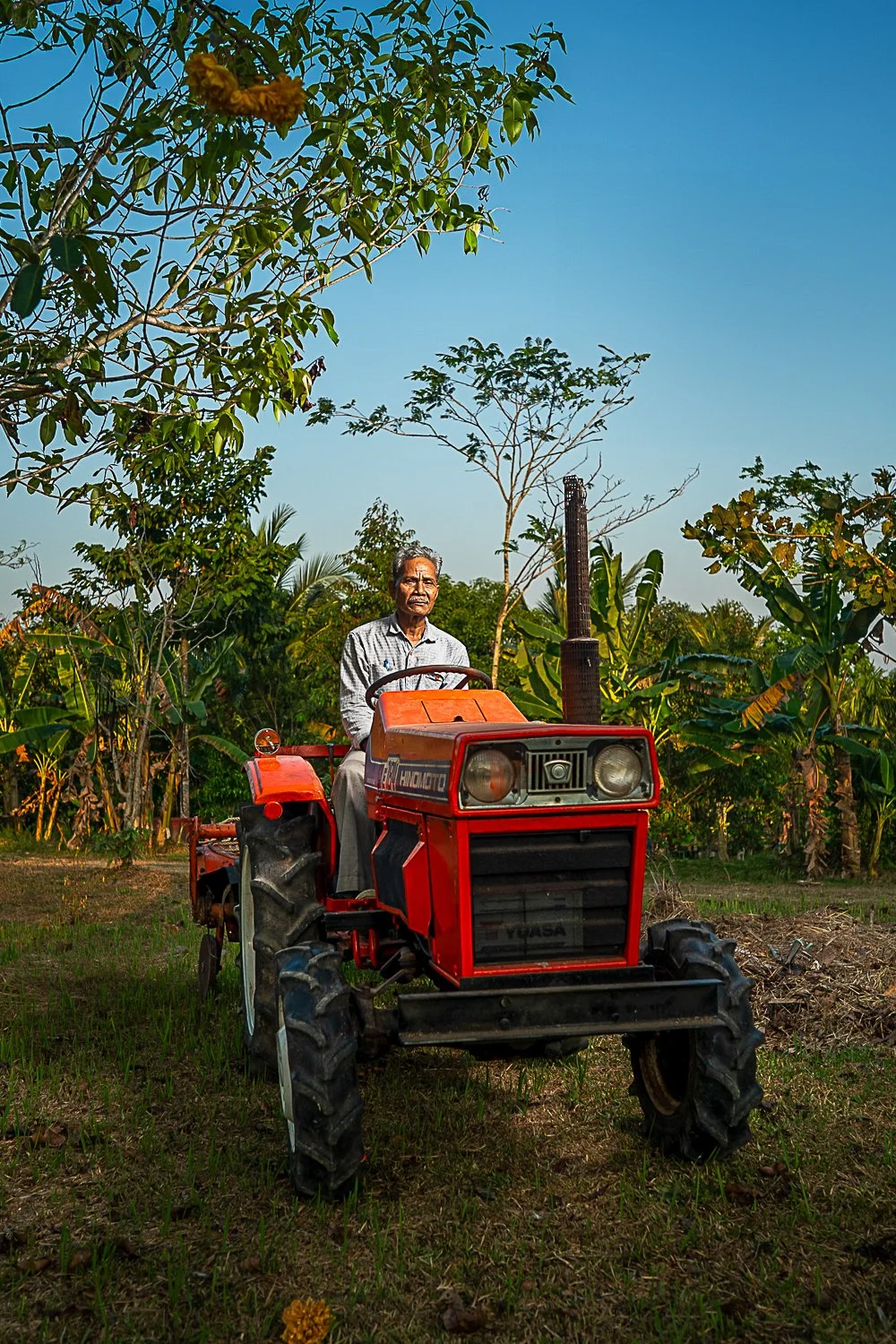
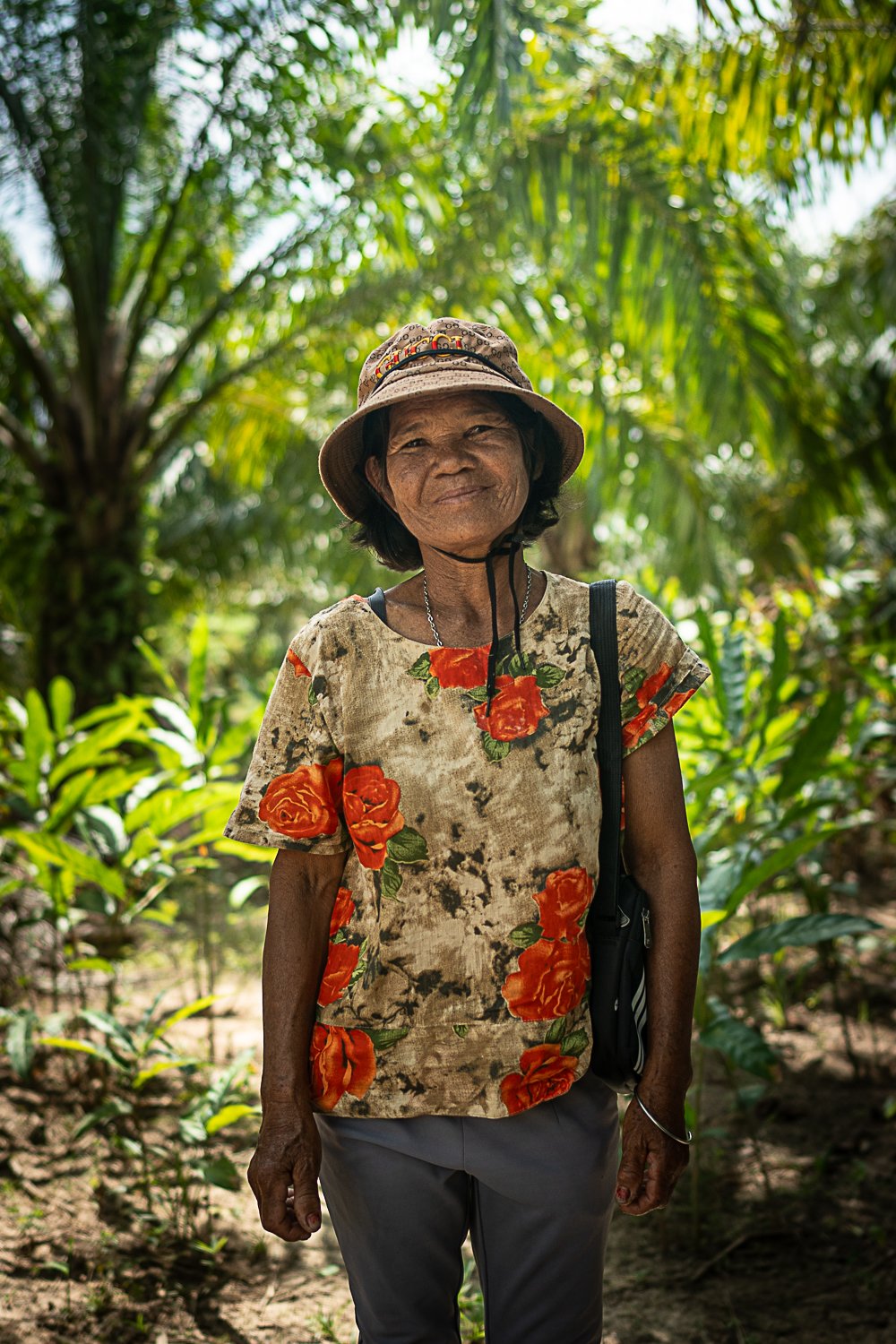
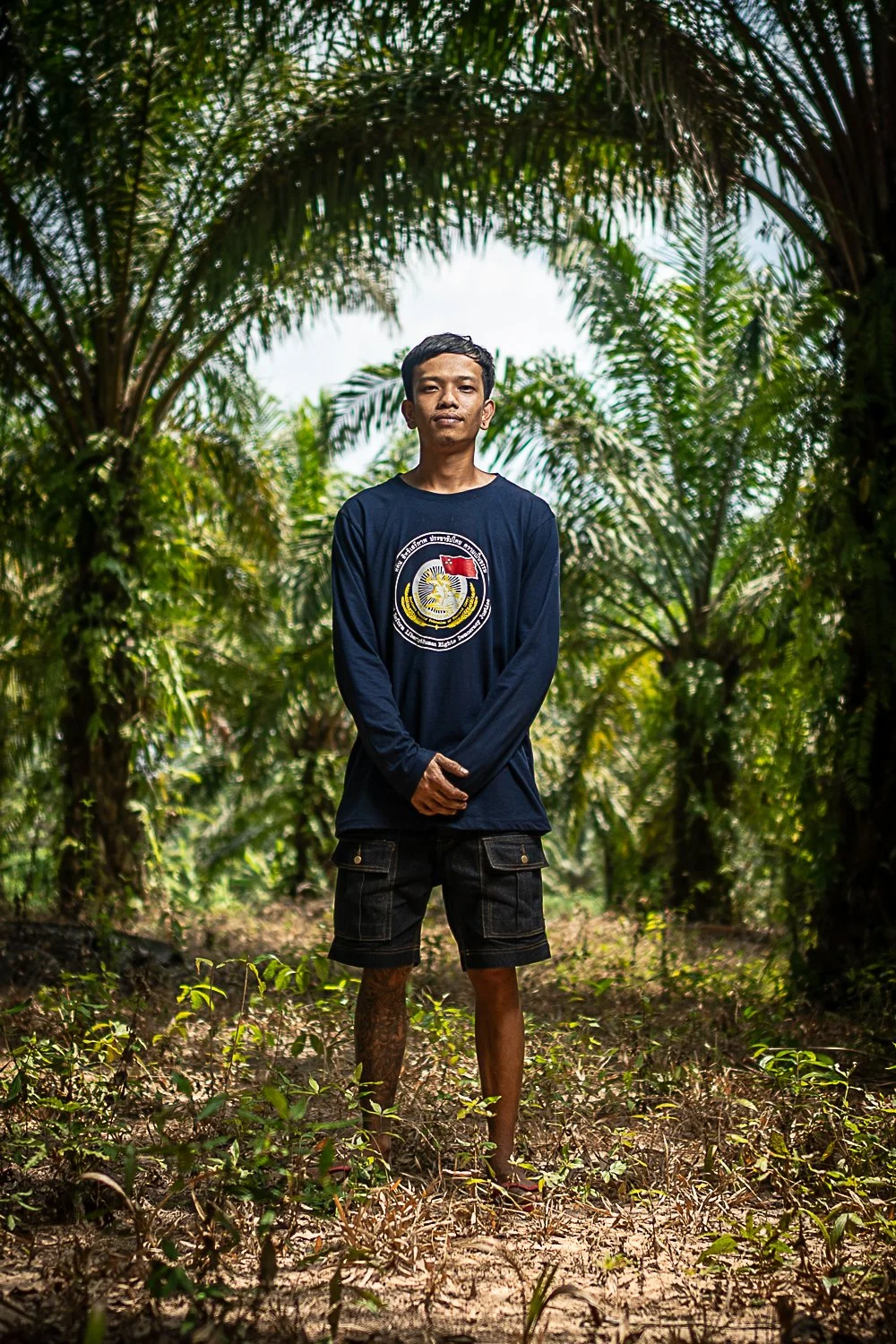
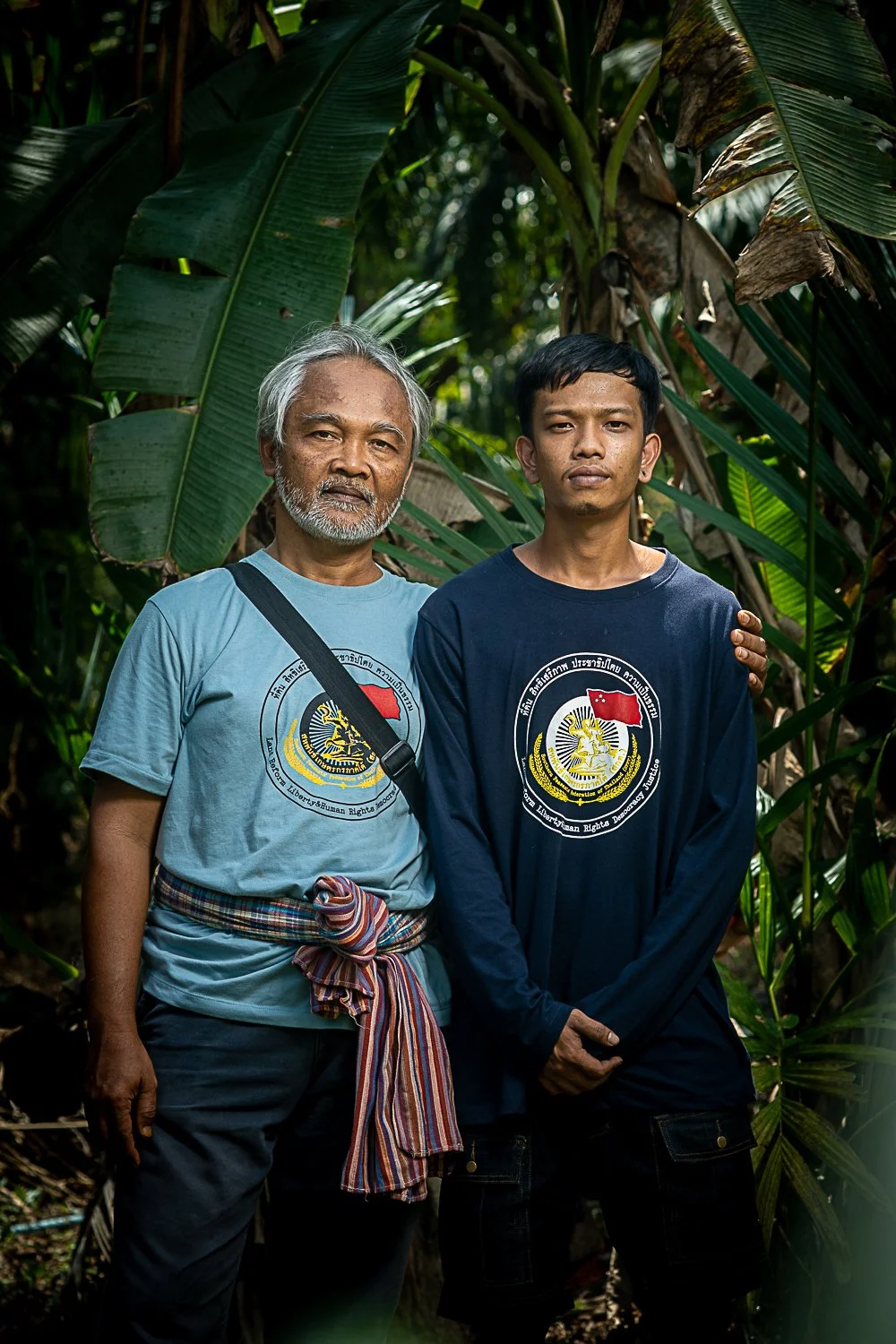
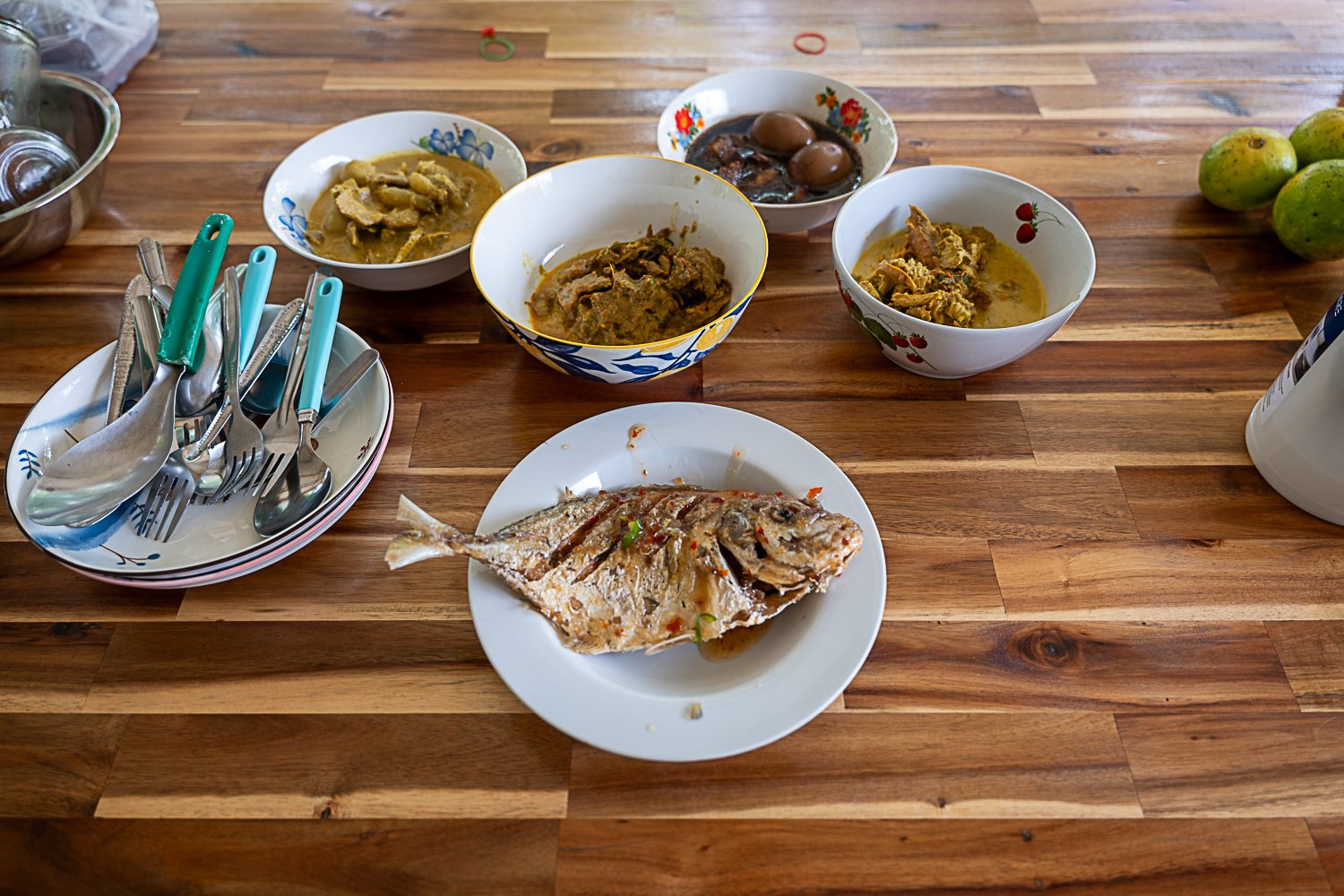
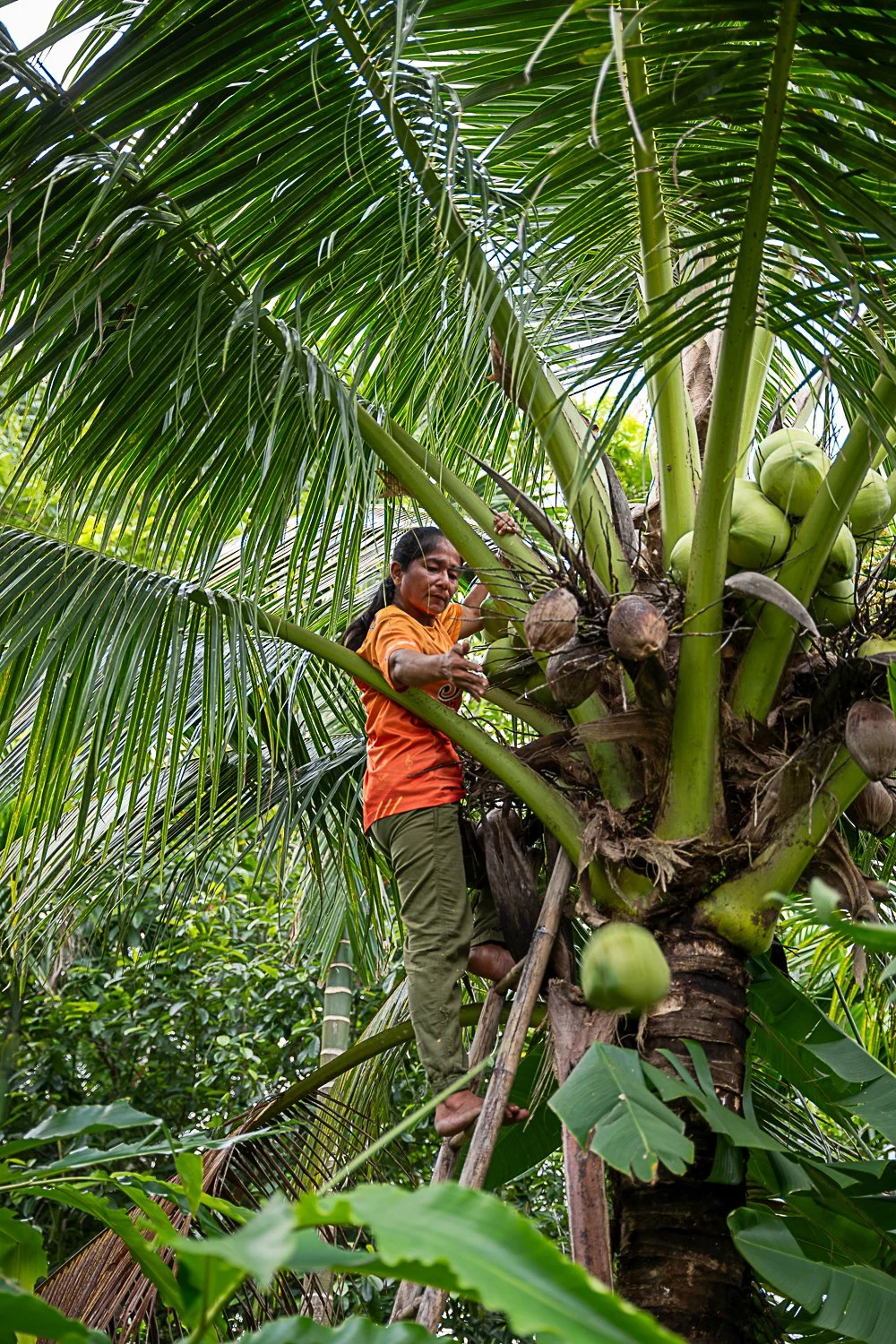
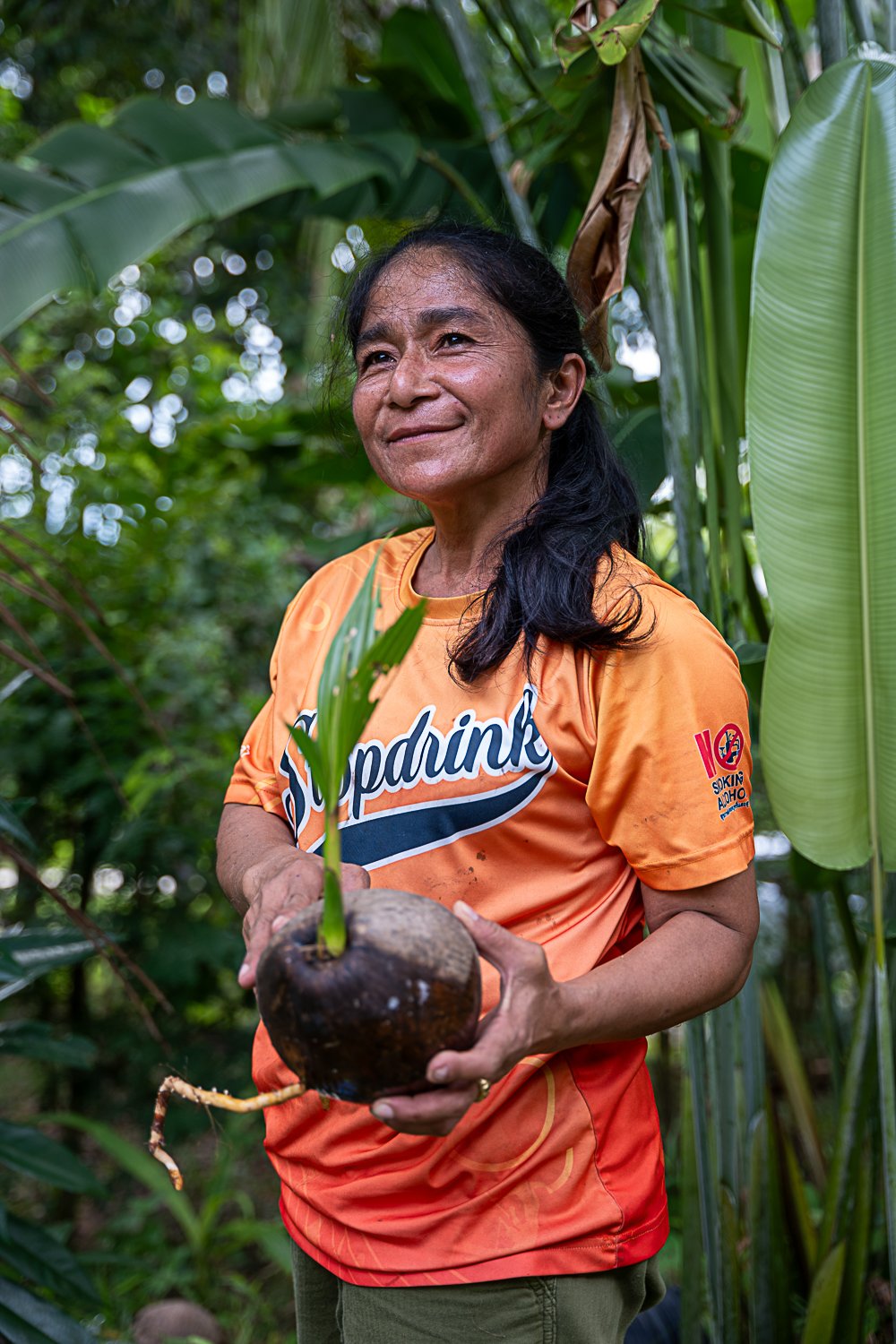
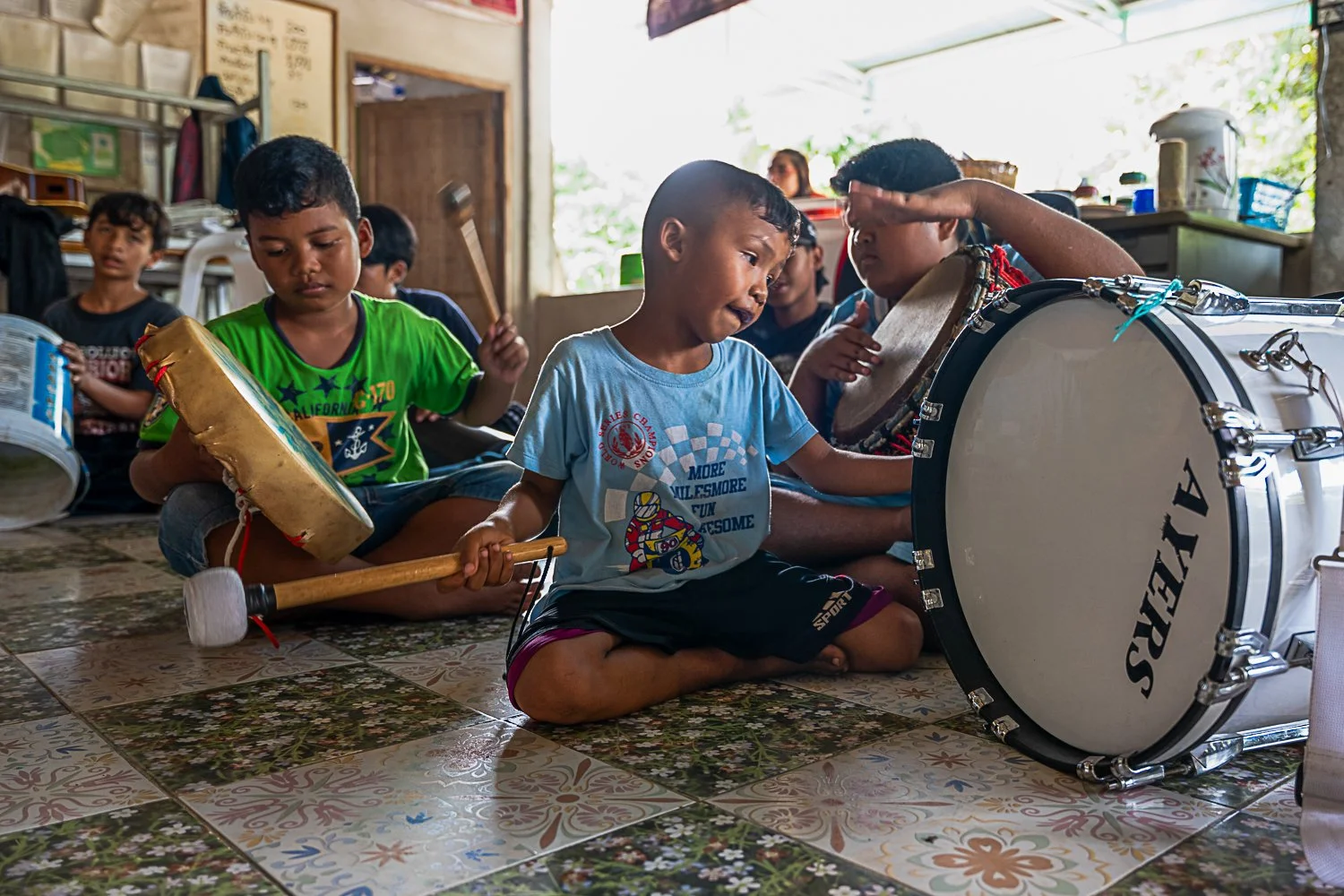
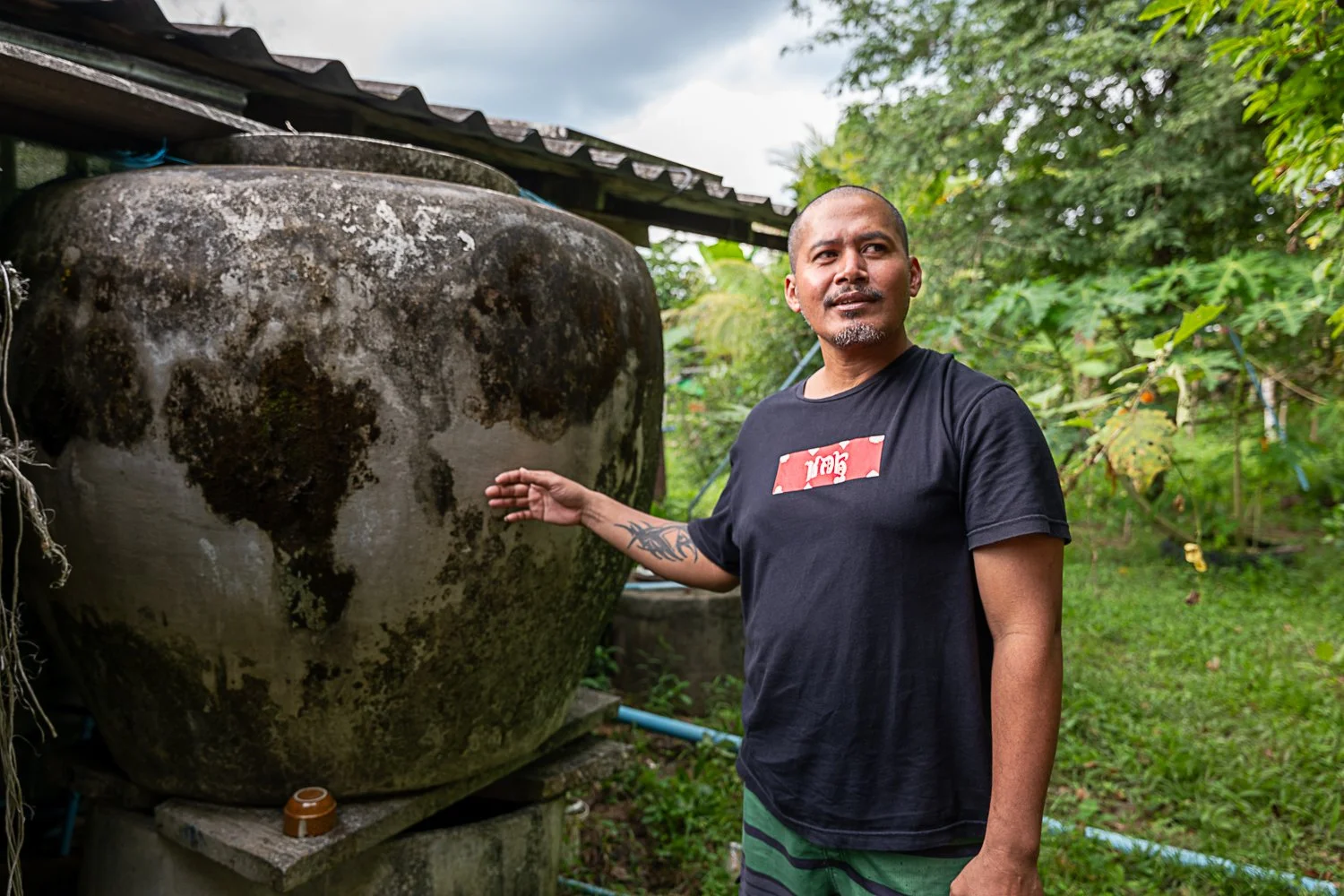
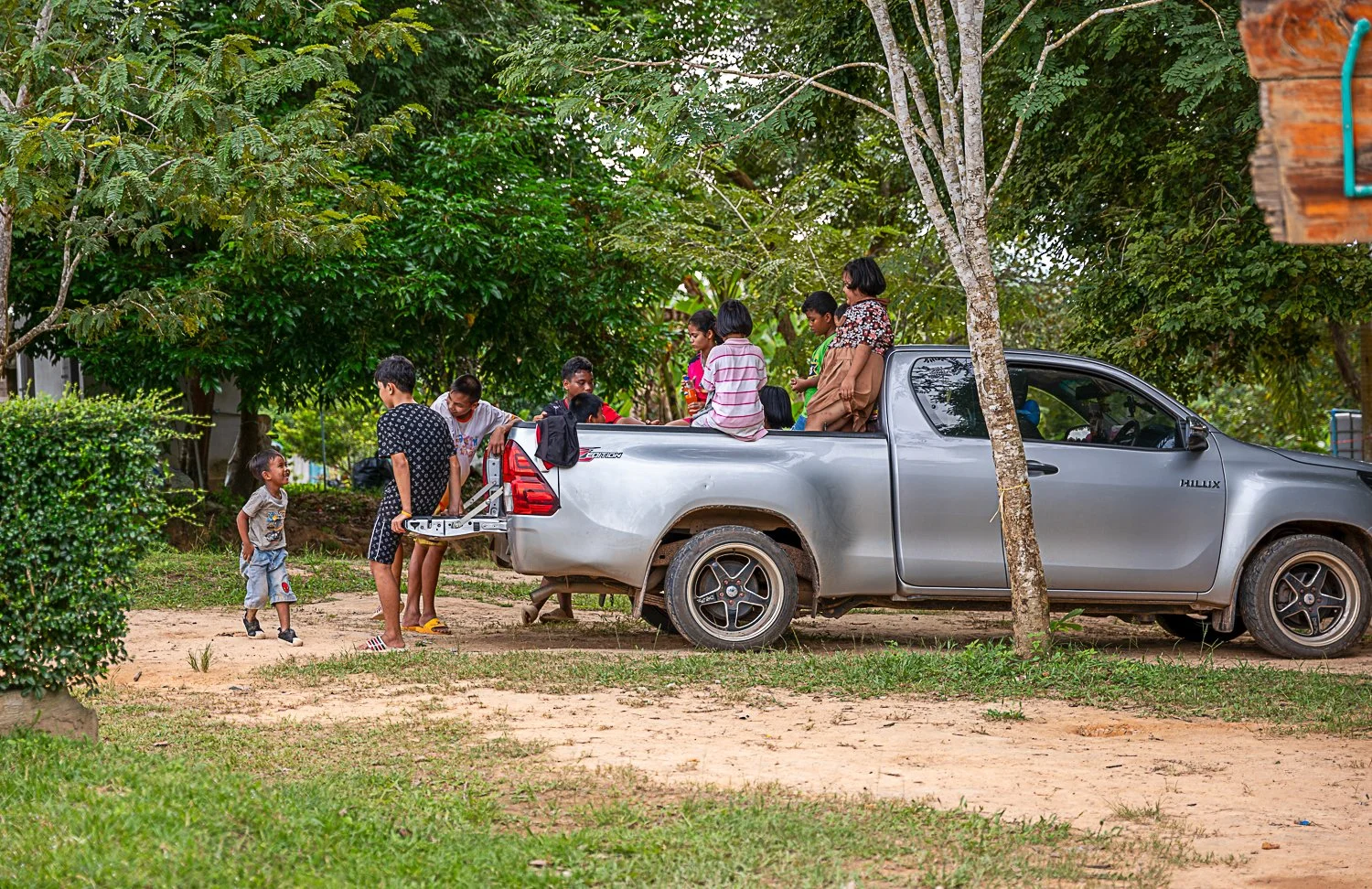
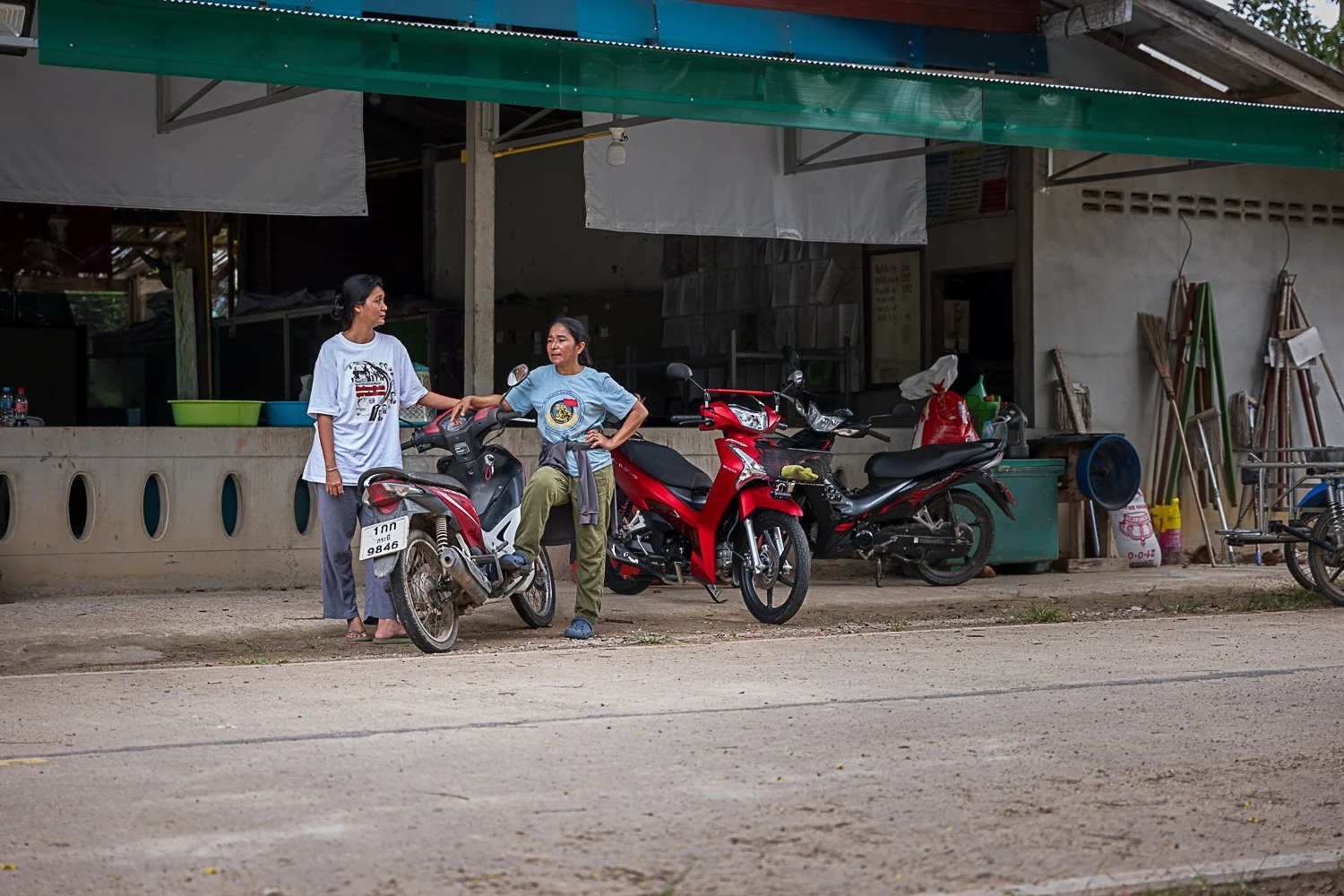
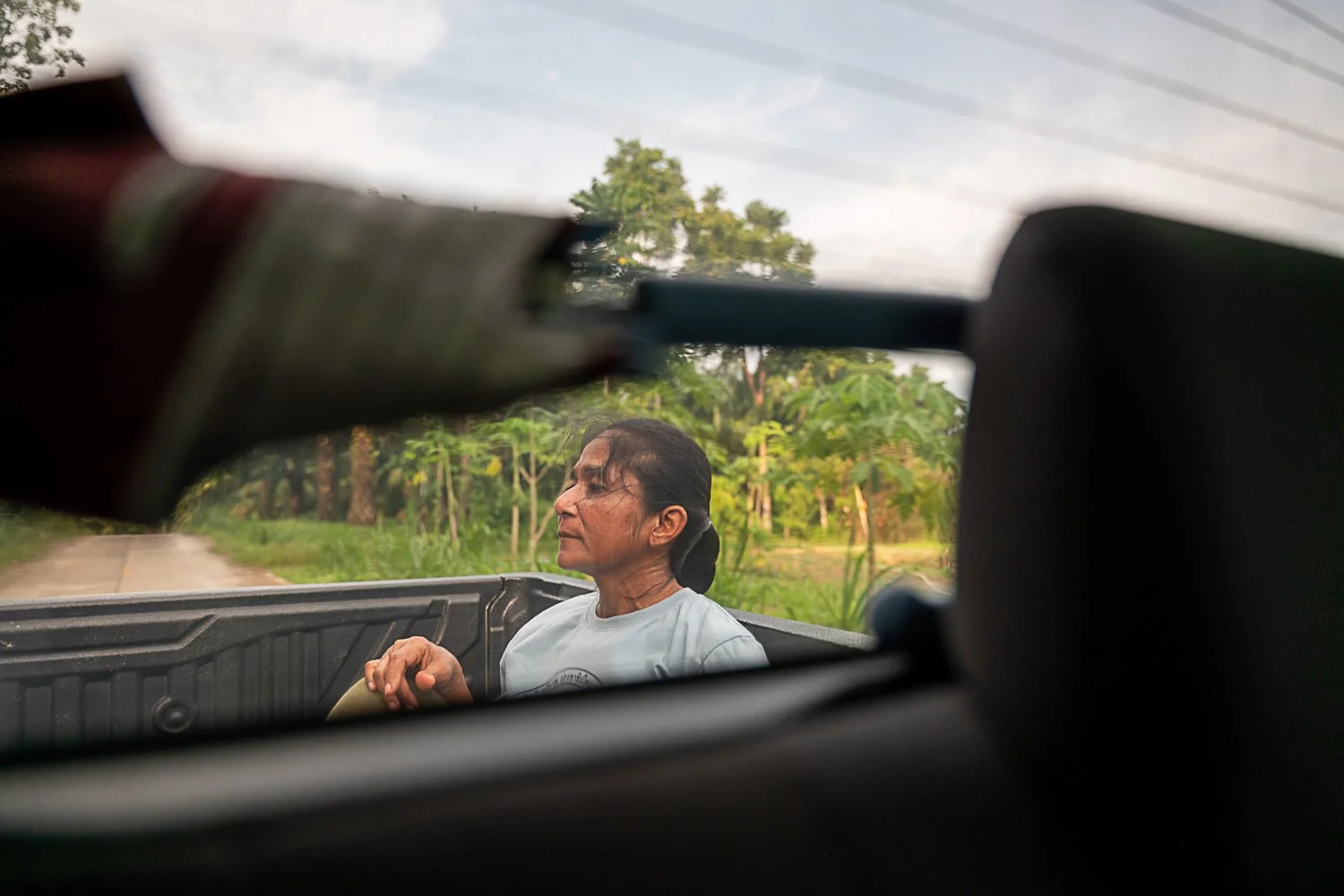
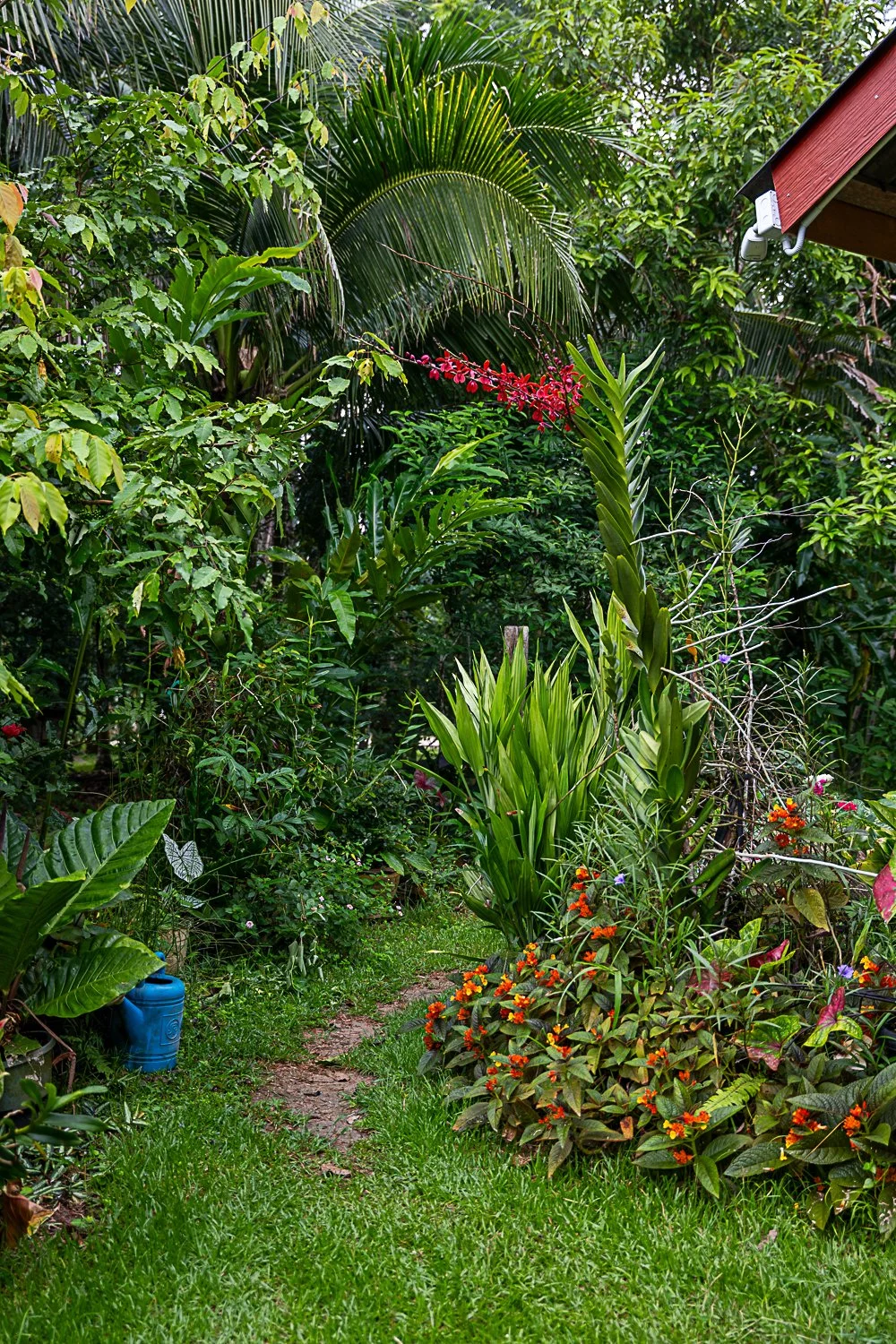
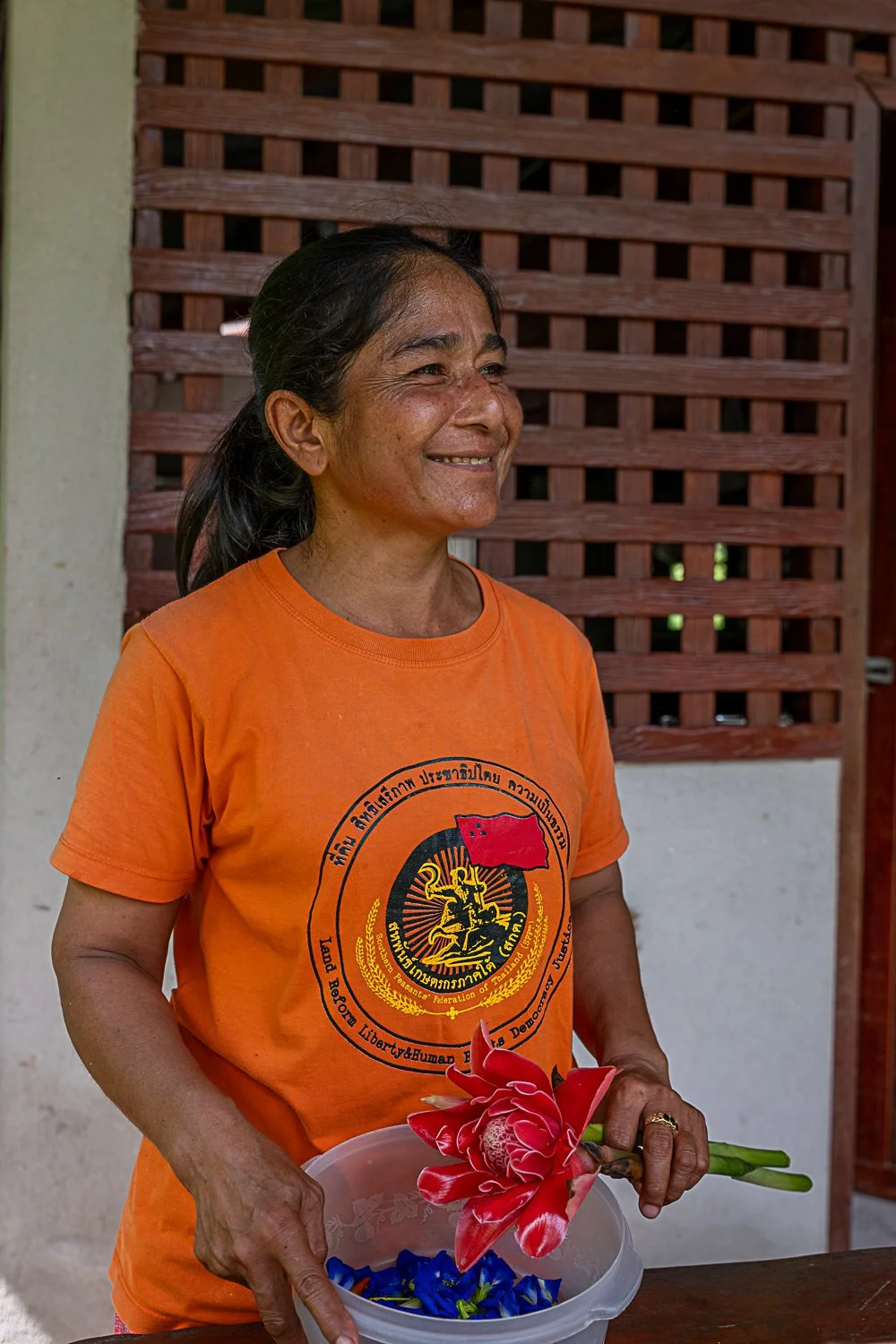
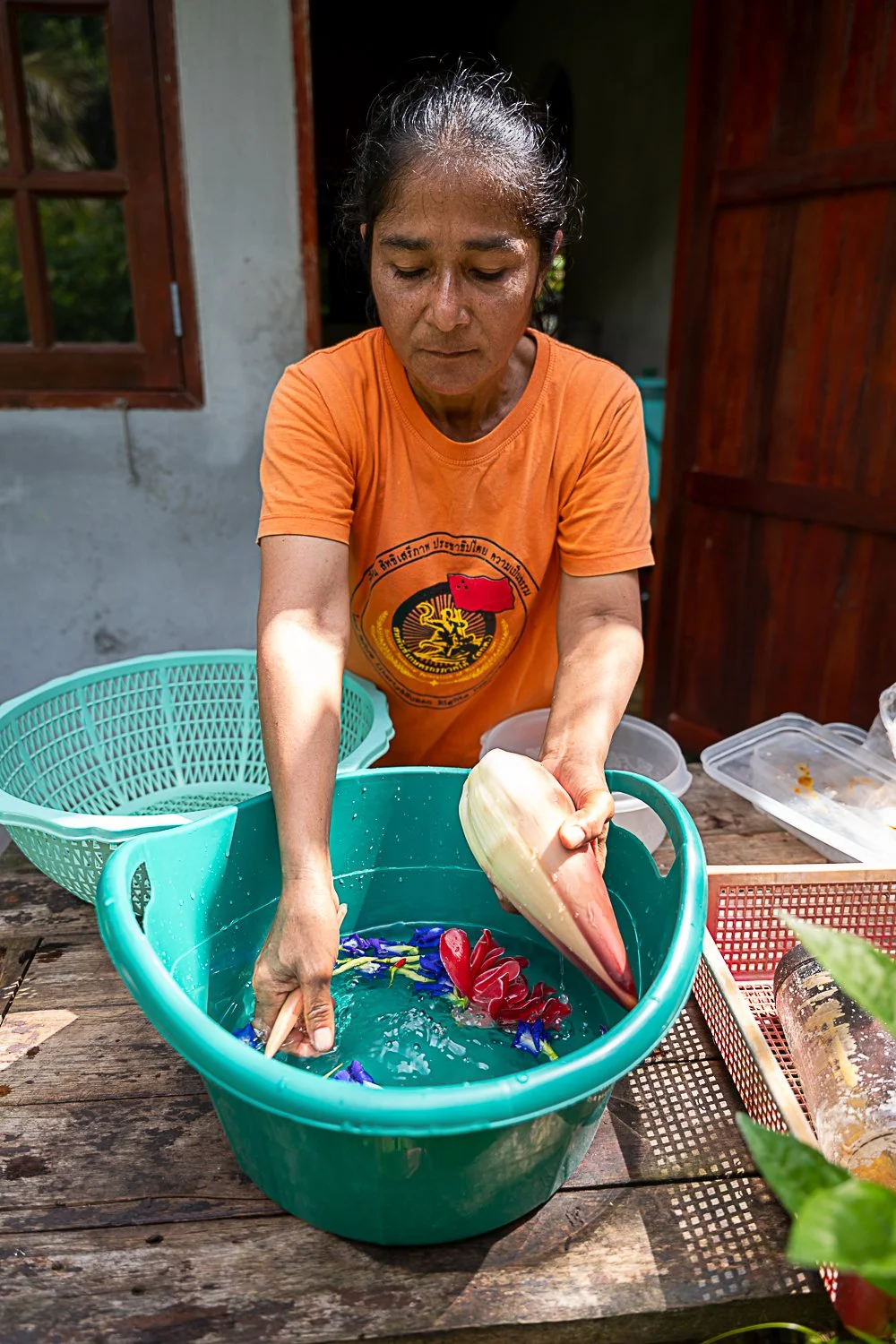
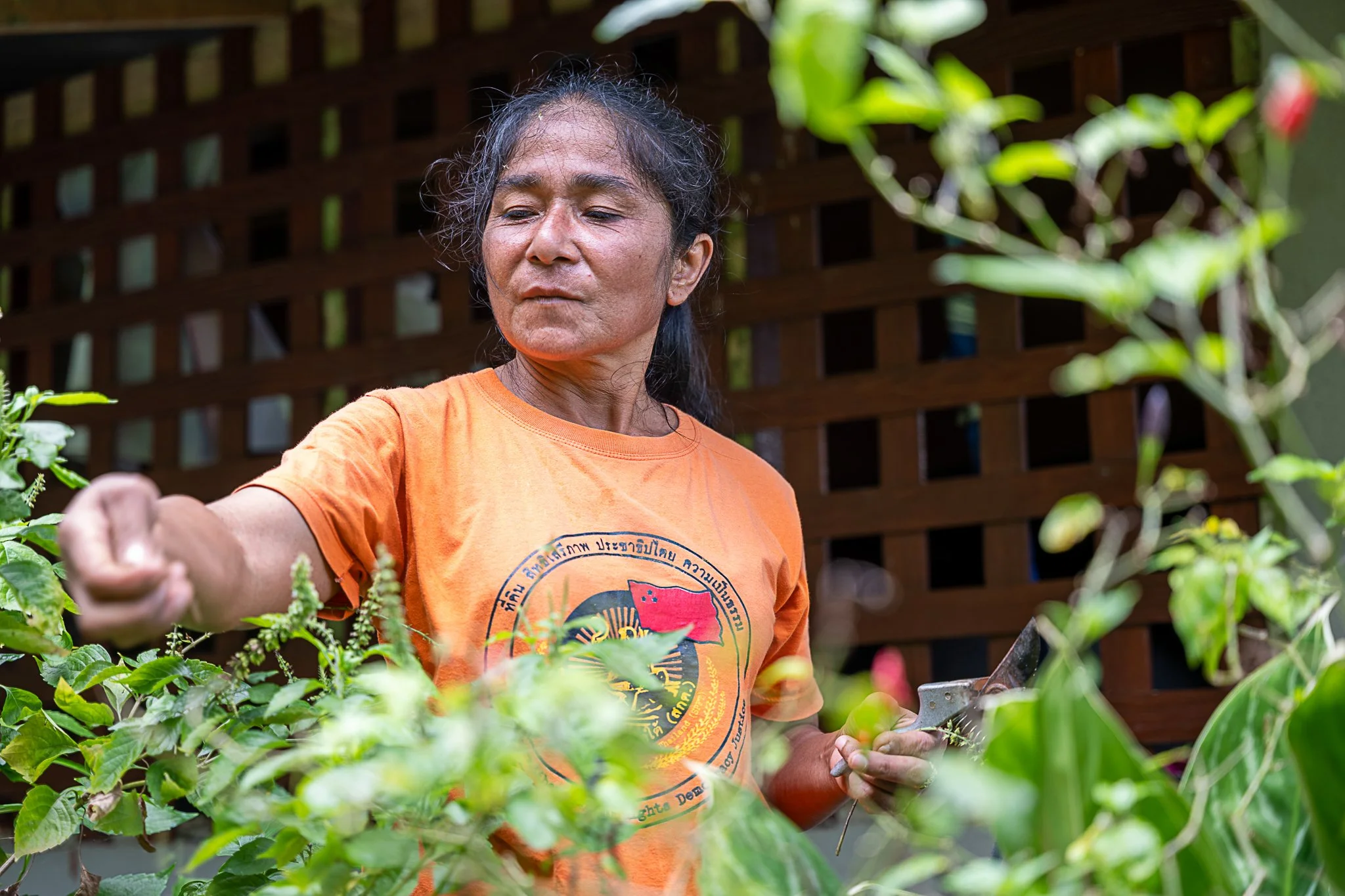
Through portraits and conversations, I followed how political resistance lives within everyday practices — planting rice, tending rubber trees, teaching land histories, and caring for one another in the face of eviction and state violence. Guided by SPFT’s vision, this work understands the defense of soil, water, and community as inseparable from the right to remain.
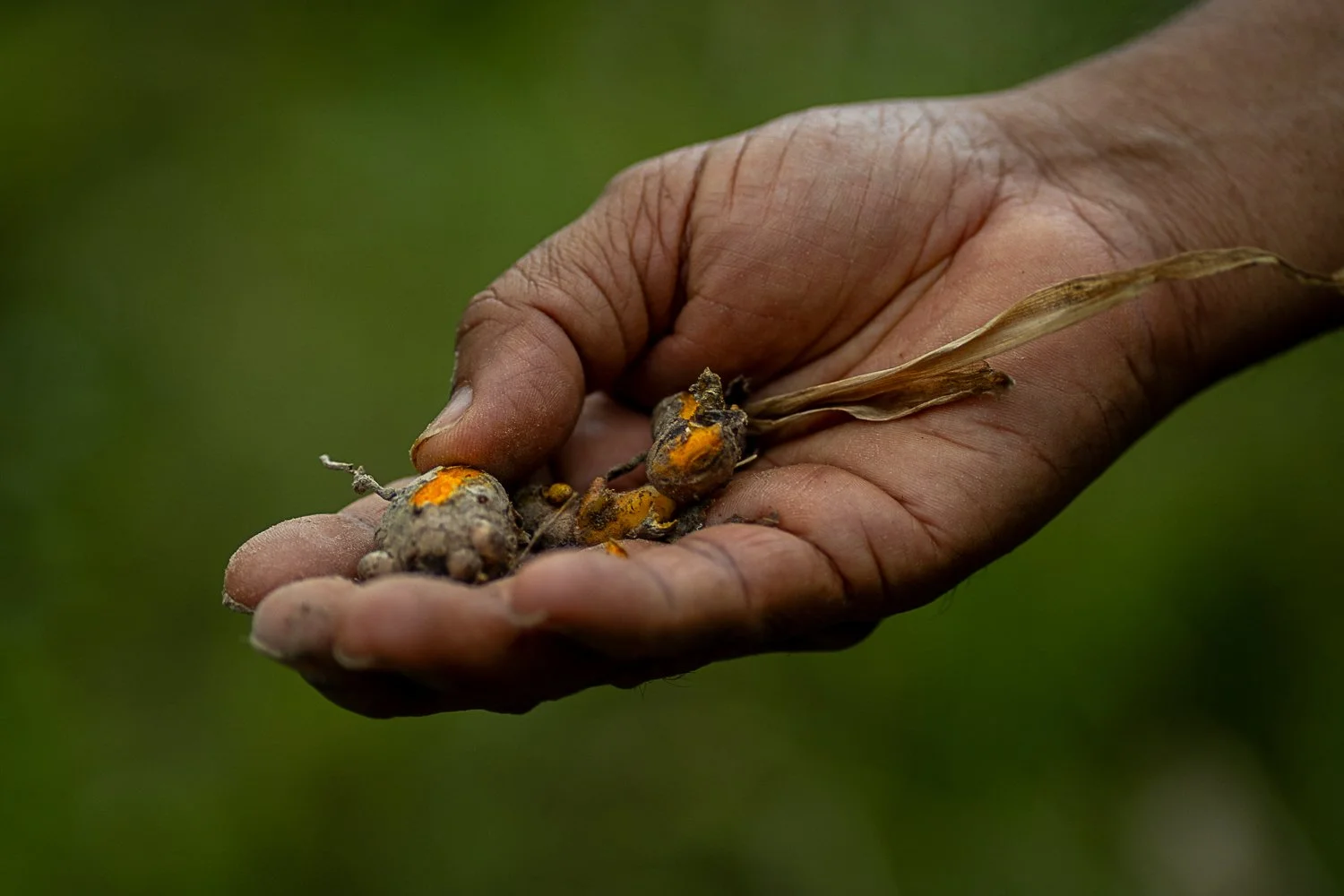
"Together, we stood our ground. Today, we can stand on our own, supported by our broader network.”
-Choosri Olarkit, Committee Member of the Women’s Articulation of the Southern Peasant Federation of Thailand.
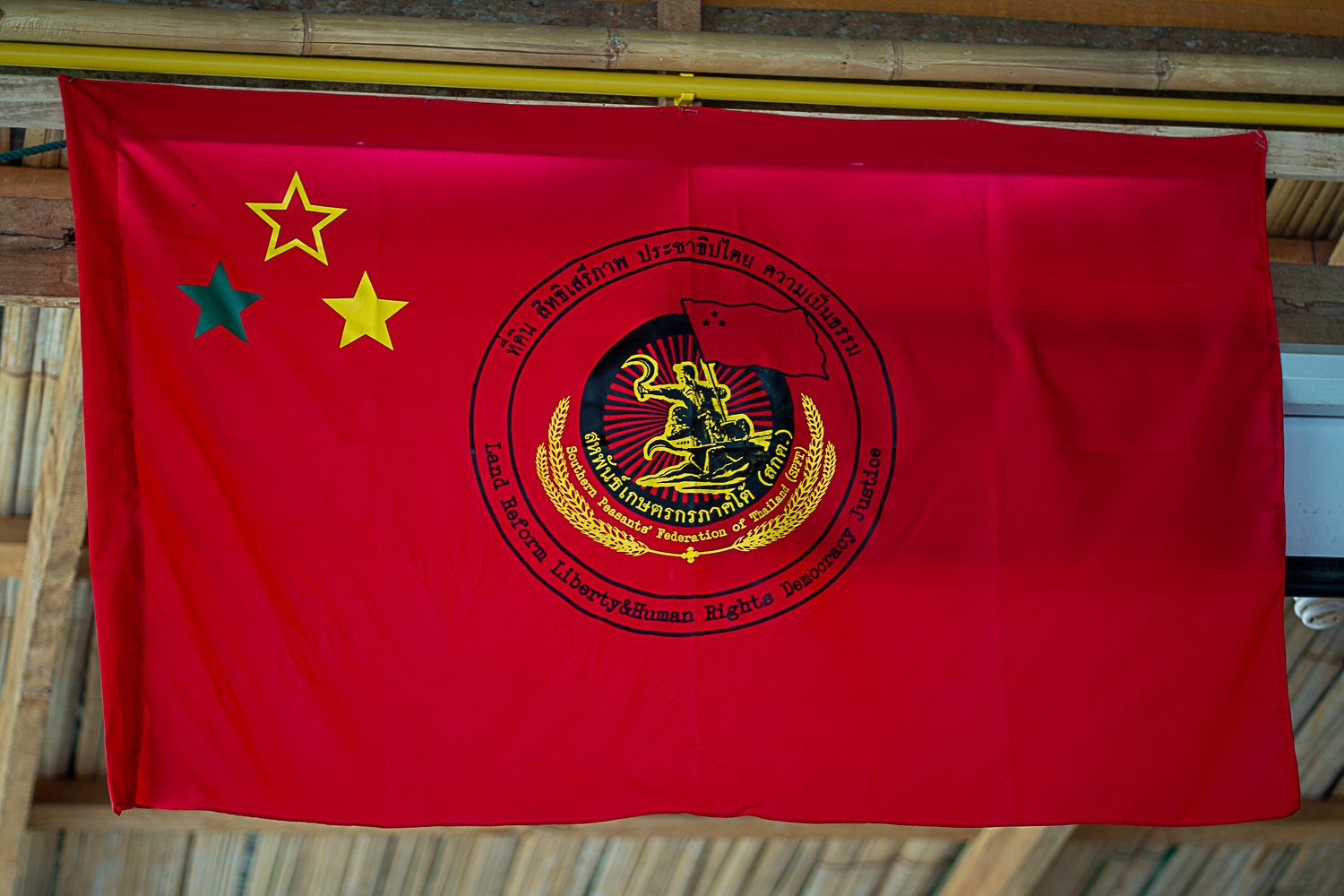
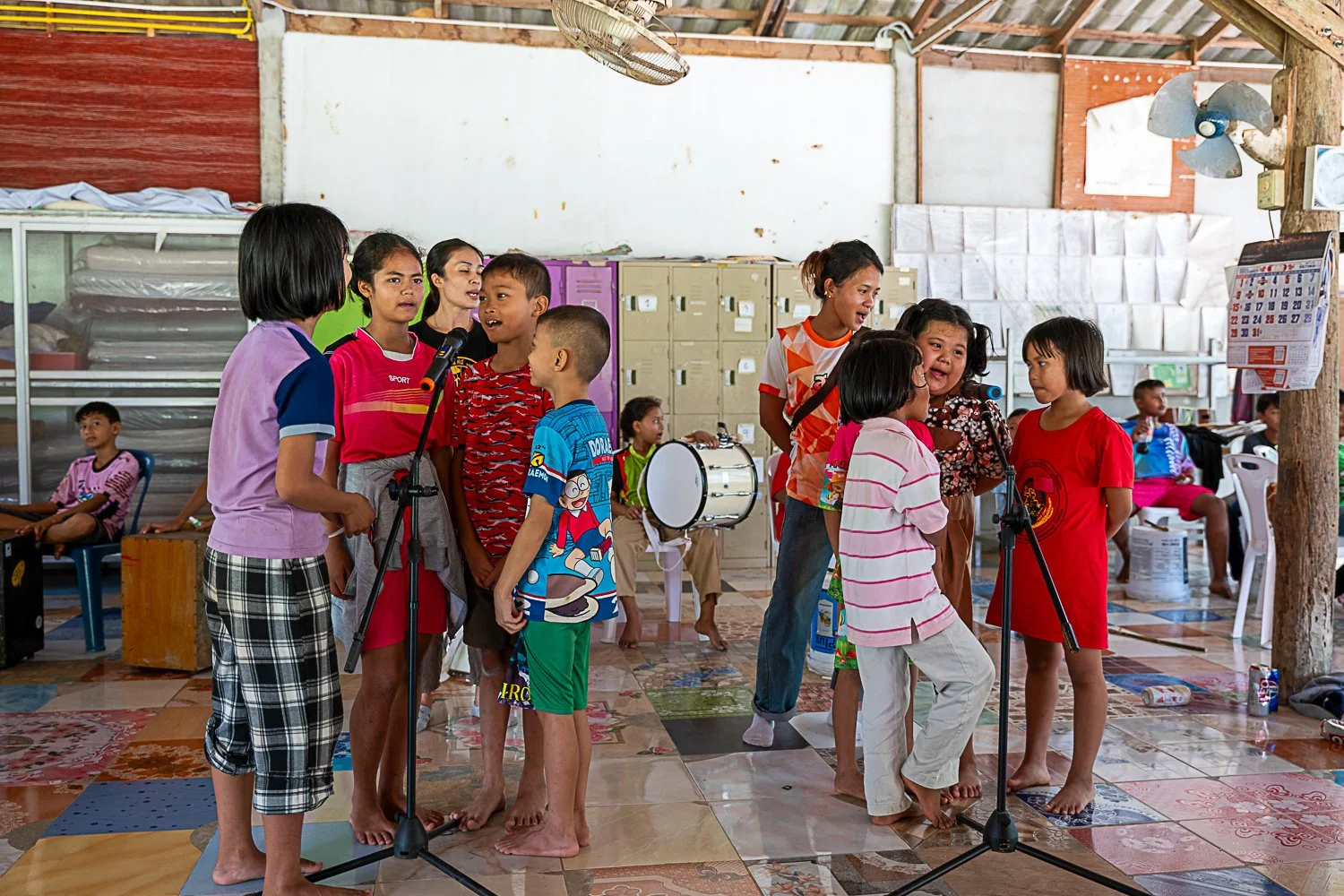
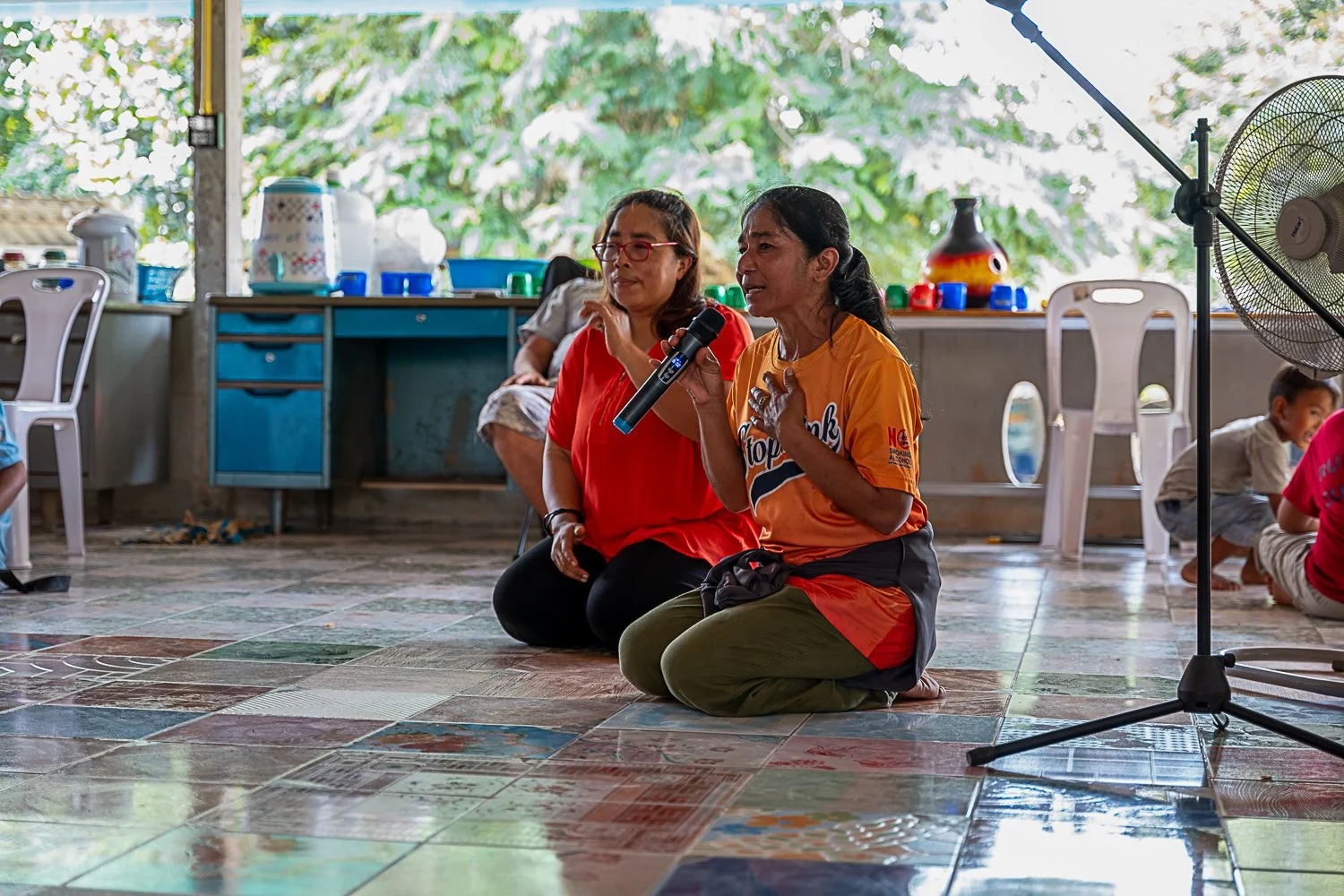
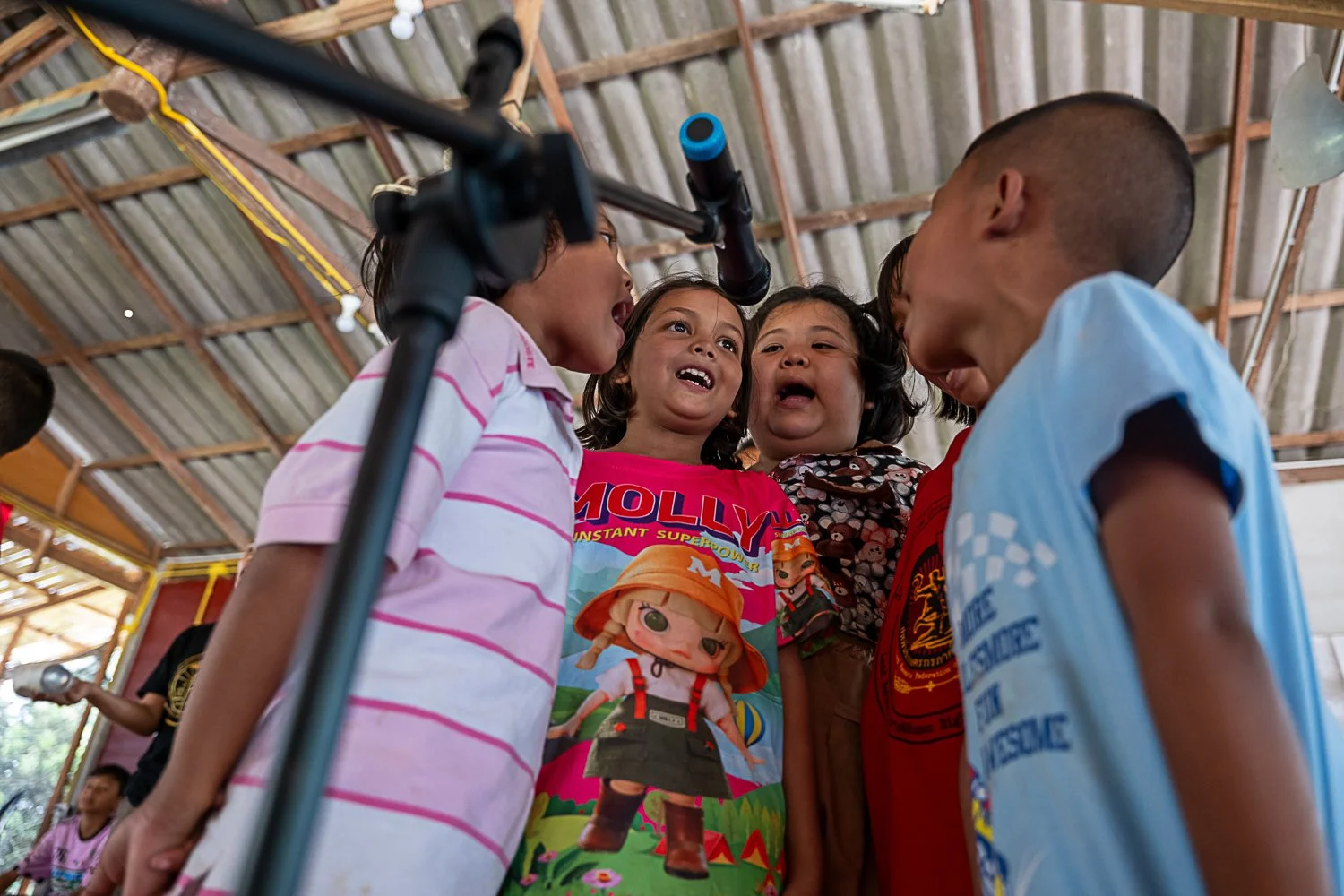
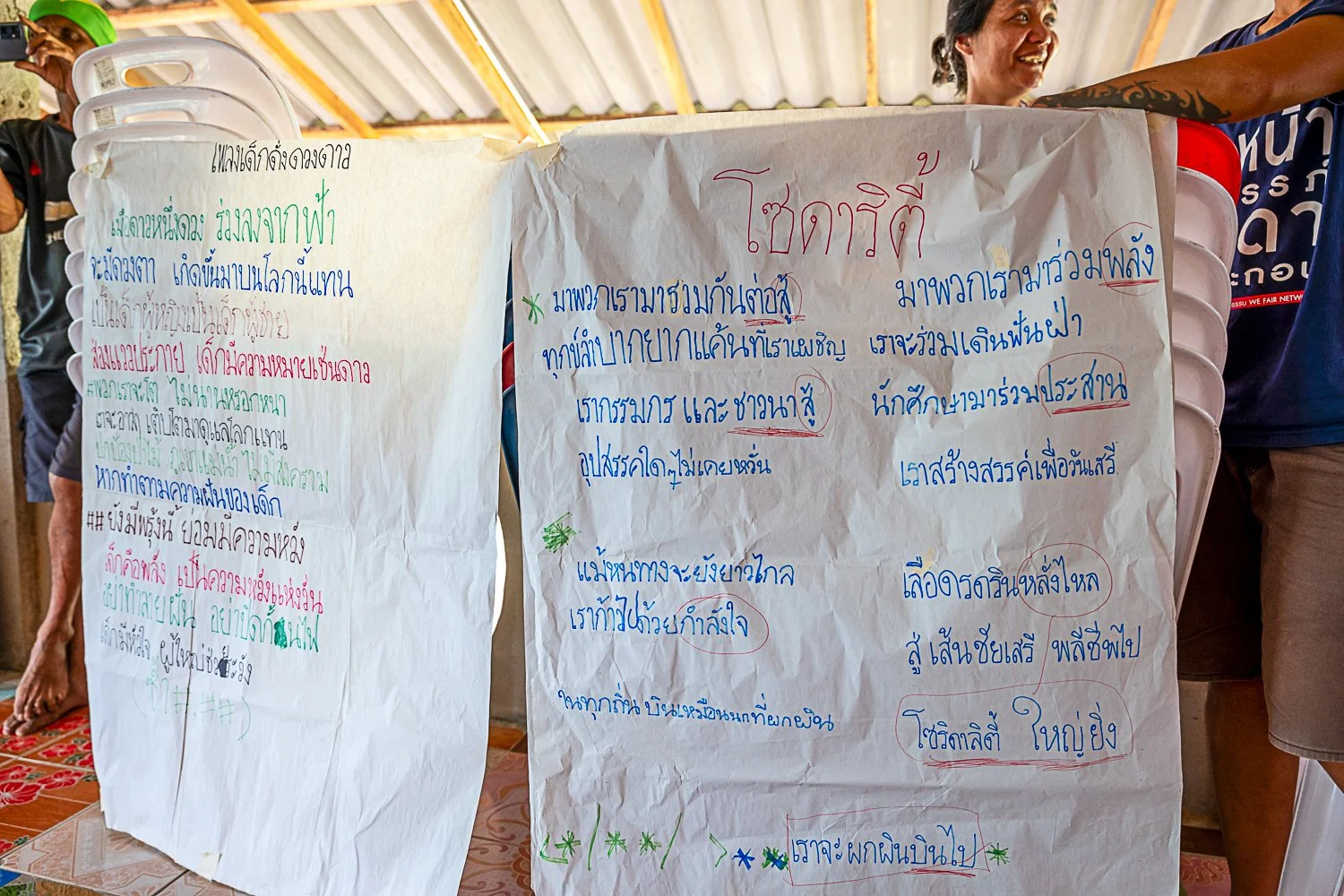
In 2025, I supported a collaboration between Thousand Currents and SPFT with AJ+, to produce a multimedia feature highlighting the land justice struggle of the Southern Peasants Federation of Thailand (SPFT). The piece combined field reporting and on-the-ground interviews to bring international visibility to landless families reclaiming former palm oil plantations in southern Thailand.